
The Low-Regret Test for Any New Food Line You’re Thinking of Stocking
How do you assess whether a new food line is likely to become a low-regret, repeatable option?
The most reliable test is to ask: would you buy it again? Products that encourage repeat purchase tend to offer more long-term value, especially when compared with one-time-use items driven by novelty. This simple lens can help eliminate waste, improve turnover, and increase buyer satisfaction.
Start with the “Would I Buy This Twice?” Test
Most people have products they buy once and never again. Often, those items initially seemed interesting, unique, or were heavily marketed. But interest faded quickly.
The real test is not how appealing something looks at first glance. It is whether it earns a repeat place in your basket.
Here’s what to consider:
- Would someone choose it again next week without hesitation?
- Is it anchored in reliability, or reliant on gimmickry?
- Is it a curiosity purchase or something that fits into real habits?
- Does it support customer retention? Or does it leave people neutral after trying?
Watch out for signs of novelty fatigue: overly niche flavours, inconsistent formats, or products that depend on being new to justify their spot.
Repeat-worthy products feel ordinary in the best sense. They quietly get used, bought again, and remembered without needing to impress each time.
Check for Freezer Compatibility and Storage Flexibility
Storage often becomes the silent deal-breaker. A product may look promising, but if it demands immediate use or takes up too much space, regret sets in fast.
Longer shelf life and freezer suitability reduce urgency, ease batch buying, and help people build reliable fallback options.
Look for these signs of freezer-friendly, low-waste formats:
- Clearly labelled as suitable for freezing, with realistic use-by dates.
- Packaging that’s compact, resealable, or easy to portion.
- No reliance on fresh pairings that expire before the item gets used.
Compare these two scenarios: a chilled product that must be eaten in 48 hours versus a frozen item that can wait until next week, or later. The latter reduces pressure and fits flexibly into the week.
Products that store well tend to outperform those that create an immediate ticking clock.
Evaluate How It Performs Across Multiple Eating Scenarios
Even highly rated products fall flat if they only suit one occasion. A food product with broader utility is more likely to be used, and used up.
Start by asking:
- Could this work for both solo meals and group meals?
- Does it appeal to various palates, including fussy or specific preferences?
- Is it neutral enough to suit different times of day or eating styles?
Avoid products built around a single use case, especially if they depend on a specific preparation style, side item, or narrow taste preference.
Watch out for:
- Items that need exact conditions to shine (specific side dishes, equipment, or timing).
- Product sizes that only suit large households, leaving smaller users with waste.
- Concepts that are hard to adapt quietly into different meal settings.
By contrast, versatile formats allow you to eat now or later, alone or with others, without reshaping your plans. They are tools, not demands.
Ask: Does This Reduce or Add Friction to My Week?
The most telling question is whether the product simplifies decision-making, or complicates it.
Friction builds when foods introduce extra steps, require extra decisions, or disrupt routines.
Here are common signals of high-friction products:
- Requires additional ingredients not already on hand.
- Needs serving immediately after opening, with no secondary use.
- Involves packaging that’s awkward, bulky, or not resealable.
- Pushes you into new cooking habits or steps you wouldn't normally take.
By contrast, low-friction foods slot into your existing habits. They do not demand attention. They serve repeat needs without creating new ones.
The more a product fits quietly into the week, the more it gets used, and justified.
Consider the Regret Risk if It Doesn’t Get Used
Unused stock is rarely disliked. It’s more often a mismatch between product and real-life needs.
Anticipating whether something will get used can prevent waste and second-guessing later.
Ask yourself:
- Have I bought something like this before and not finished it?
- Am I getting this “just in case” rather than for a clear plan?
- Does this solve a real problem, or is it wishful thinking?
Here’s a simple regret checklist:
- Is it likely to stay untouched in the freezer?
- Is there realistic demand in the household for it?
- Is the portioning right for how meals actually unfold?
A meal that gets used in the first few days is a good sign. One that lingers untouched for months may signal it was never the right fit to begin with.
Look for Products Designed for Repeat Use, Not Novelty
Some products exist to be bought once. Others are built to keep their place in your routine. Learning to spot which is which reduces guesswork around stocking decisions.
Repeat-use products tend to show these signs:
- Clear, functional packaging that supports reuse or rationed consumption.
- Neutral formats that allow varied use across contexts.
- Consistent portioning and easy storage.
Contrast that with novelty-led items:
- Limited editions or “drop” culture framing.
- Overbranded packaging centred on attention, not usability.
- One-off concepts that do not support repeat meals.
Products designed around usability are easier to buy again. They feel stable, not opportunistic. For example, Mpanadas & Salsas offers frozen empanadas and salsas intentionally structured for repeat usability across varied meal and timing needs. That makes them easier to buy again without re-evaluating each time.
Test Whether It Solves a Real Problem You Actually Have
The clearest sign a food line will work in the long run is whether it relieves a real, common tension in your household.
Ask this simple filter: does this product address a scenario I actually face?
Look for relevance to:
- Time pressure: Does it help when energy or minutes are low?
- Taste variety: Can it suit different palates without conflict?
- Storage: Is it easy to keep on hand without waste?
- Decision fatigue: Does it reduce daily food choices, not increase them?
Avoid items that seem like they should be useful, but do not map to any specific need.
If a product answers a real problem reliably, and even in a quiet way. It has earned its place. If not, no amount of appeal will stop it from becoming another thing on the shelf, waiting.
Our Most Loved Flavours
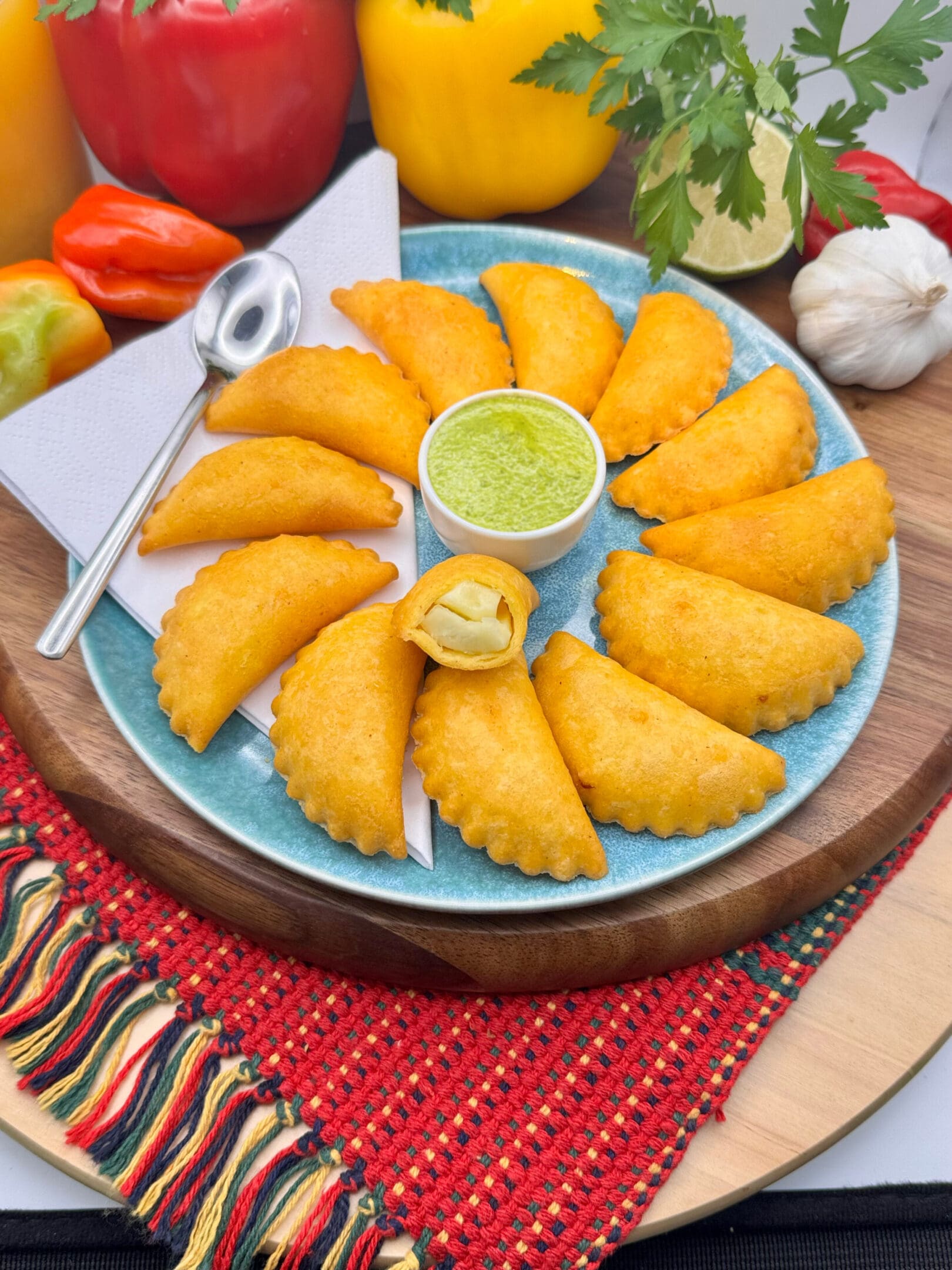
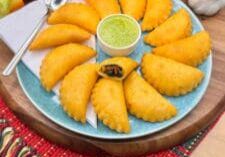
Mini Empanadas – Cheese – Pack of 12
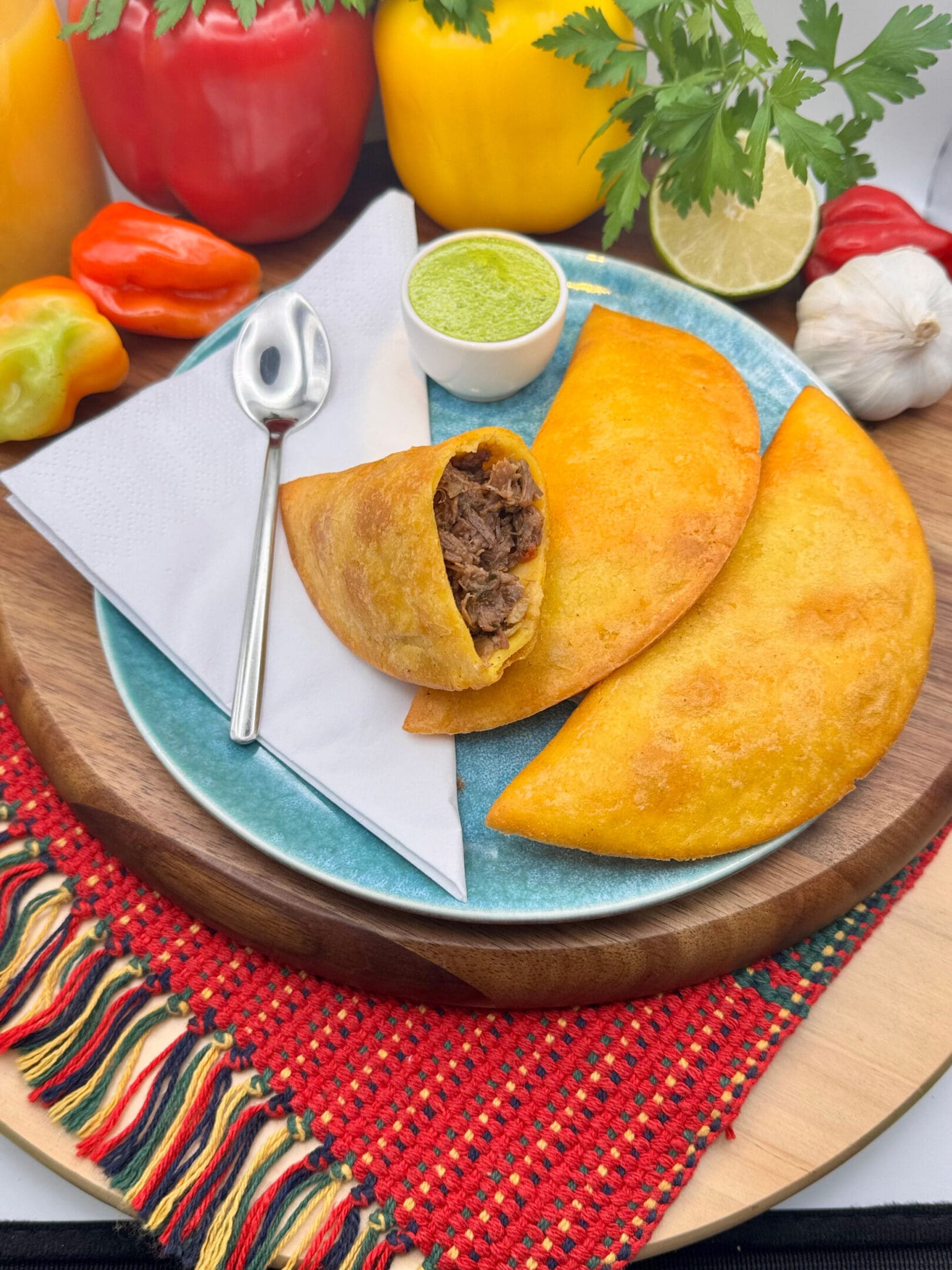
Classic Empanada – Shredded Beef
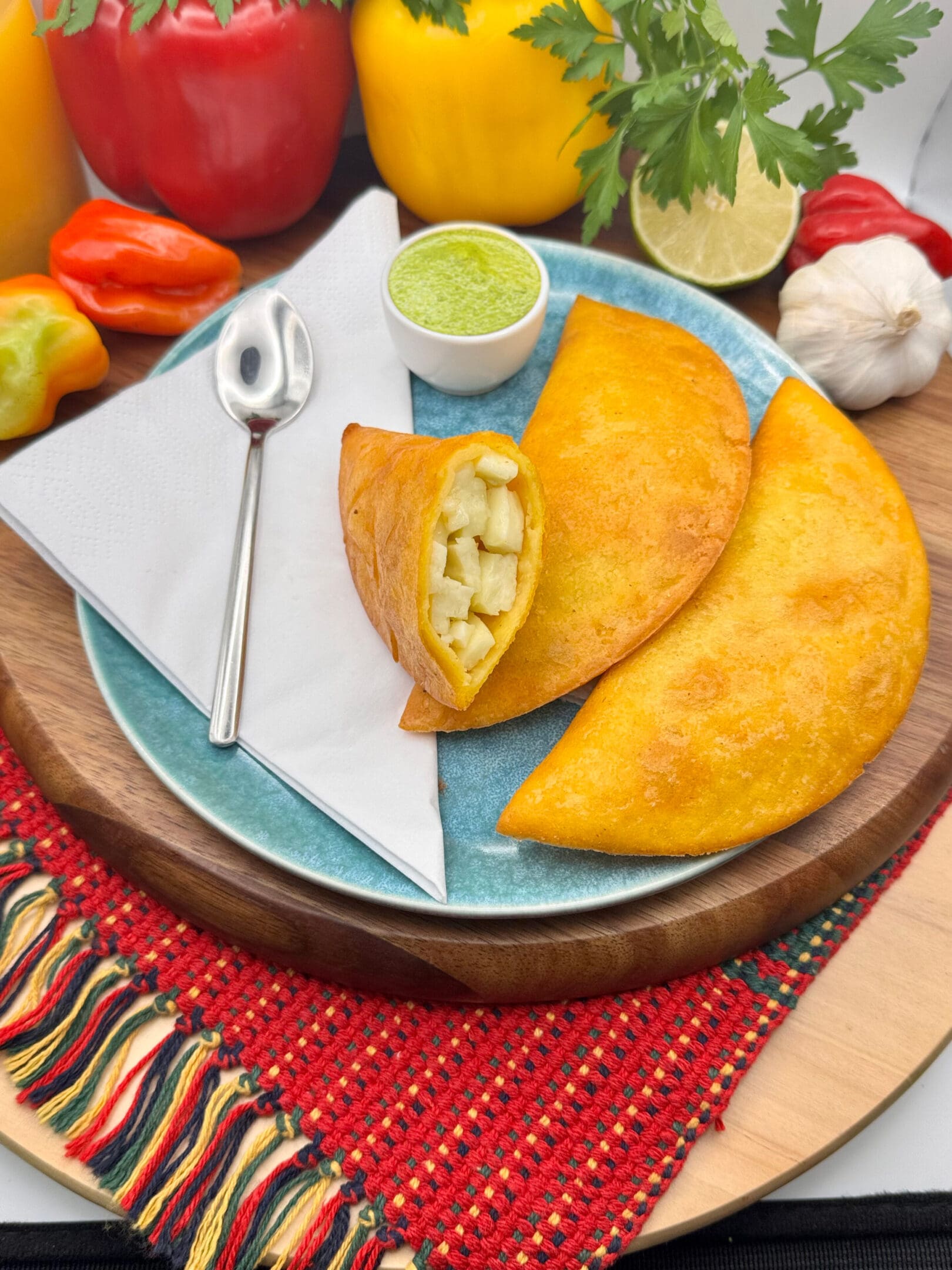
Classic Empanada – Cheese
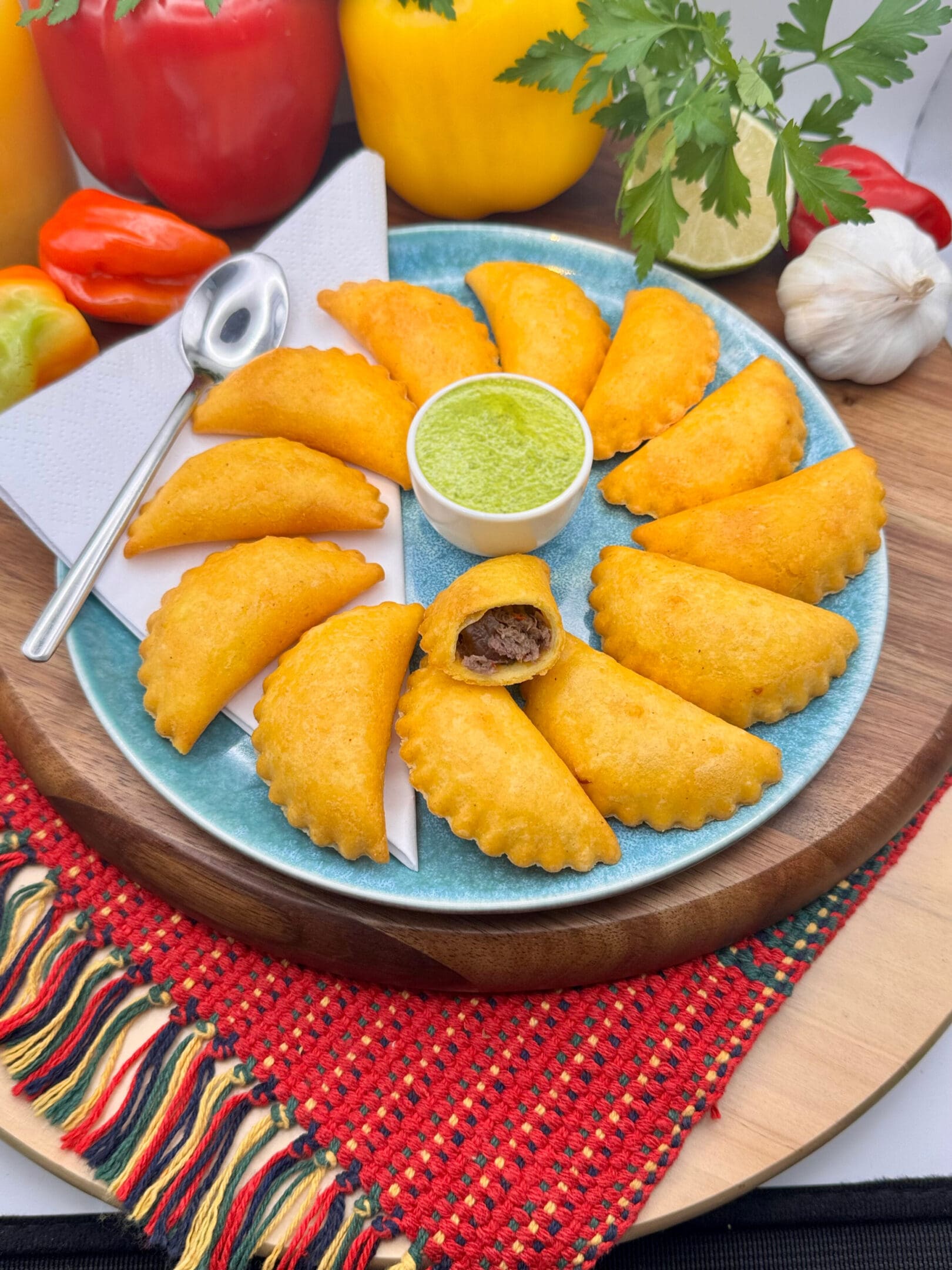
Mini Empanadas – Shredded Beef – Pack of 12
Reach Out To Us For Retail or Wholesale Enquiries
Tasty Reads Worth a Look






About Our Empanadas and Salsas
At Mpanadas & Salsas, every bite tells a story. Born from Libia’s lifelong love of traditional Venezuelan cooking, our empanadas and salsas bring the bold, homegrown flavours of South America to the UK. Passed down through generations and perfected over decades in hospitality, our recipes are rooted in heritage and made by hand with heart. Taste the tradition, because great food should always feel like home.
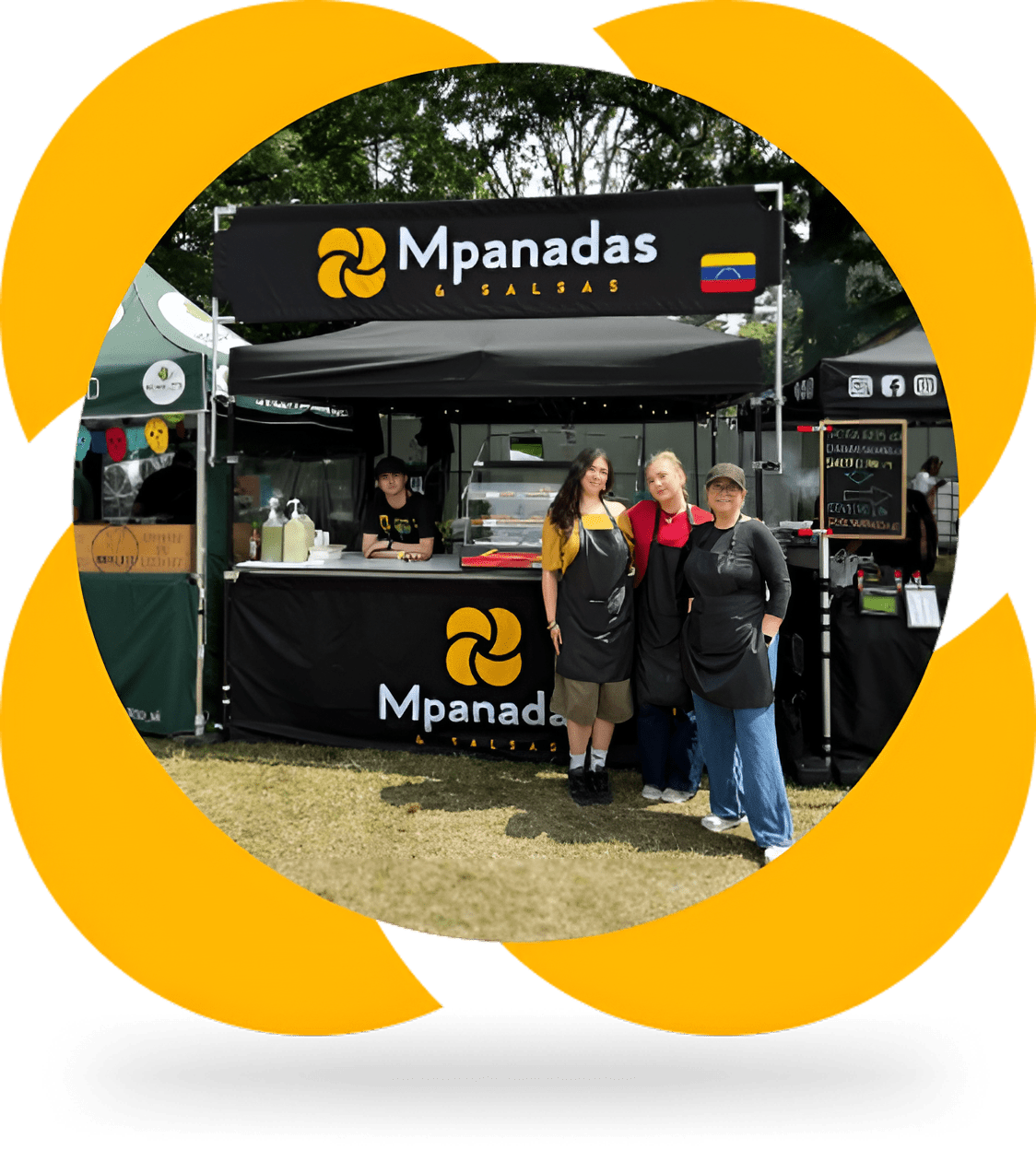
Empanadas Delivered UK Wide
Mpanadas & Salsas
Authentic Venezuelan frozen empanadas delivered across the UK to homes and restaurants. Our handmade empanadas feature traditional and regional fillings with options that are gluten free, halal, and vegan friendly.
Address: 6 Turnstone Cl, East Tilbury, Tilbury RM18 8FG
Phone: 07572 417492
Website: mpanadas.co.uk
Proudly women-owned and LGBTQ+ friendly. Rated 5.0 by our customers. Open from 8 am daily.