
How to Introduce a New Food Item Without Confusing Regulars
How can new food items be introduced without disrupting regular customer habits?
New food items can be introduced by aligning them with familiar formats, placing them alongside trusted options, and avoiding attention-seeking promotion. The goal is to signal continuity and reliability, not difference or risk.
Understand What “Confusion” Really Means in Food Buying
Introducing something unfamiliar can unsettle loyal customers, but not always in the way brands expect. Confusion in food buying rarely stems from a customer not understanding what the item is. More often, it comes from hesitation. That hesitation can be triggered by anything that disrupts routine or adds friction to a familiar decision.
Regulars often develop strong, repeatable habits. They are not necessarily seeking variety or surprise. For them, the benefit of being a regular is the removal of decision-making. A new item, no matter how attractive, adds a layer of uncertainty. It interrupts the established loop.
Common reactions regular buyers may have include:
- Skipping the new item entirely without explanation
- Pausing their usual order while they reconsider
- Assuming the new item might replace a favourite
- Hesitating at the point of purchase, creating decision fatigue
- Thinking “I’ll come back next week” and then not returning
What looks like curiosity externally may actually be a moment of doubt. Therefore, the aim when introducing a new food item is not to generate interest but to preserve the comfort of routine while gently offering a fresh option alongside it.
Anchor the New Item in Familiar Patterns
When something new is introduced, it does not need to feel entirely unfamiliar. Regular customers tend to trust formats they recognise. Introducing a new food item in a way that fits within existing expectations reduces friction and increases the likelihood of acceptance.
Several anchoring methods can help:
- Name the item to fit your existing range vocabulary, using words or formats that feel consistent with what customers already know.
- Keep visual presentation in line with current standards, such as matching imagery, layout, or colour schemes.
- Place the item among known categories, rather than creating a standalone section or calling attention to its novelty.
- Describe it as a variant or alternative, not as a departure. The focus should be on compatibility, not innovation.
- Use soft entry terms, such as limited availability, to minimise pressure and create a logical reason for introduction.
Anchoring reframes the product. It becomes not a new concept, but an obvious continuation of what already works.

Signal, Don’t Spotlight
Highlighting a new product too aggressively can have the opposite effect of what was intended. Over-promotion sends a signal that the item may be under scrutiny or that customers are being asked to test something unproven. This can create discomfort, particularly for buyers who value consistency.
Instead, use quiet integration:
- Mention the new item in regular listings, without oversized banners or urgent calls to action
- Avoid using promotional tone, such as “You have to try this” or “Don’t miss out”
- Introduce it through regular routines, such as appearing quietly on reorder screens or within standard communications
- Let customers notice it, rather than being directed forcefully toward it
Methods for subtle signalling include:
- Listing the new item within an established menu section rather than a new or featured category
- Using neutral descriptive language rather than emotive or persuasive copy
- Featuring the item in standard layouts, without repositioning to primary visual spaces
- Including it in multi-choice formats, allowing opt-in rather than pushing visibility
Confidence is often communicated through restraint. A quiet presence suggests the item belongs, and that is often enough.
Use Placement to Guide, Not Push
A customer's experience is shaped just as much by where something appears as by what it is. Placement affects perception. Poorly positioned items can feel intrusive or confusing, even if the product itself would appeal otherwise.
Strategic placement allows gradual discovery:
- Position the new item near existing favourites, reinforcing its connection to already accepted choices
- Avoid placing it at the very top, as this feels forced or artificially prioritised
- Group it with familiar use cases, such as side-by-side with others suitable for quick meals or freezer storage
- Display use-compatible items as suggestions, for example, “Also works well in this combination”
- Allow it to appear naturally over time in reorder, seasonal, or frequency-based listings
These placement strategies ensure the product is discoverable without being dominant. Customers feel in control, not sold to.
Let Regulars Opt In at Their Own Pace
Regulars value autonomy. Trying something new is more likely when it feels optional rather than obligatory. Pushing the new item too hard can lead to resistance or hesitation, even among those who might enjoy it.
Support opt-in behaviour by:
- Keeping the existing range stable, ensuring no favourite item disappears when something new appears
- Avoiding swaps in bundles or default choices, particularly where customers have known preferences
- Offering the new product as an additional choice, not as a replacement
- Observing trial rates quietly, without attaching expectation or visible push
- Allowing habitual patterns to remain unchanged, enabling gradual inclusion rather than swift adoption
Uptake tends to be stronger when the new item is treated as an opportunity, not an obligation.
Monitor Reactions Without Overreacting
Early responses to a new product can be hard to interpret. Silence does not equal rejection, and a few quick comments, positive or negative, do not establish a reliable pattern.
It is useful to distinguish between observation and overreaction:
Overreacting:
- Removing the item based on one week of low interest
- Changing its name or offering multiple adjustments too quickly
- Promoting it more aggressively after a slow start
- Asking for direct feedback before natural patterns emerge
Observing:
- Watching where it appears in reorders over time
- Noting whether any quiet trial behaviour is building
- Comparing uptake to similar past releases
- Giving space for patterns to form without drawing extra attention
Signals worth watching include:
- Repeats by early triers
- How often it appears in mixed orders
- Gradual increase in mentions or voluntary requests
- Movement without external prompting
Most importantly, resist the urge to treat initial feedback as a verdict. Stable responses take time, and buyer confidence builds through consistent exposure, not short-term spikes.
Reinforce Reliability Across the Range
A new item should feel like a reflection of the existing offer, not an exception. Its presence can reinforce the broader perception of dependability, if introduced within the same operational logic.
Customers often assess not just the item, but whether it fits the brand’s core patterns. Consistency signals matter.
Showing that the same standards apply includes:
- Maintaining availability levels in line with the rest of the range
- Keeping portioning, storage, and preparation formats uniform
- Framing the new item within the same usage scenarios, such as freezer-ready or low-waste
- Avoiding language that implies risk or novelty, instead using cues that suggest continuity
For example, at Mpanadas & Salsas, the approach to new product development mirrors the rationale behind the entire range: reducing unnecessary decision-making friction, providing stability in ordering, and ensuring long-term usefulness for both households and professionals.
Customers often do not need to be persuaded to try something new. They need to feel sure it will perform as expected. Every sign of consistency across the range, in format, function, and reliability, helps the new item feel like a smart, low-regret choice.
Our Most Loved Flavours
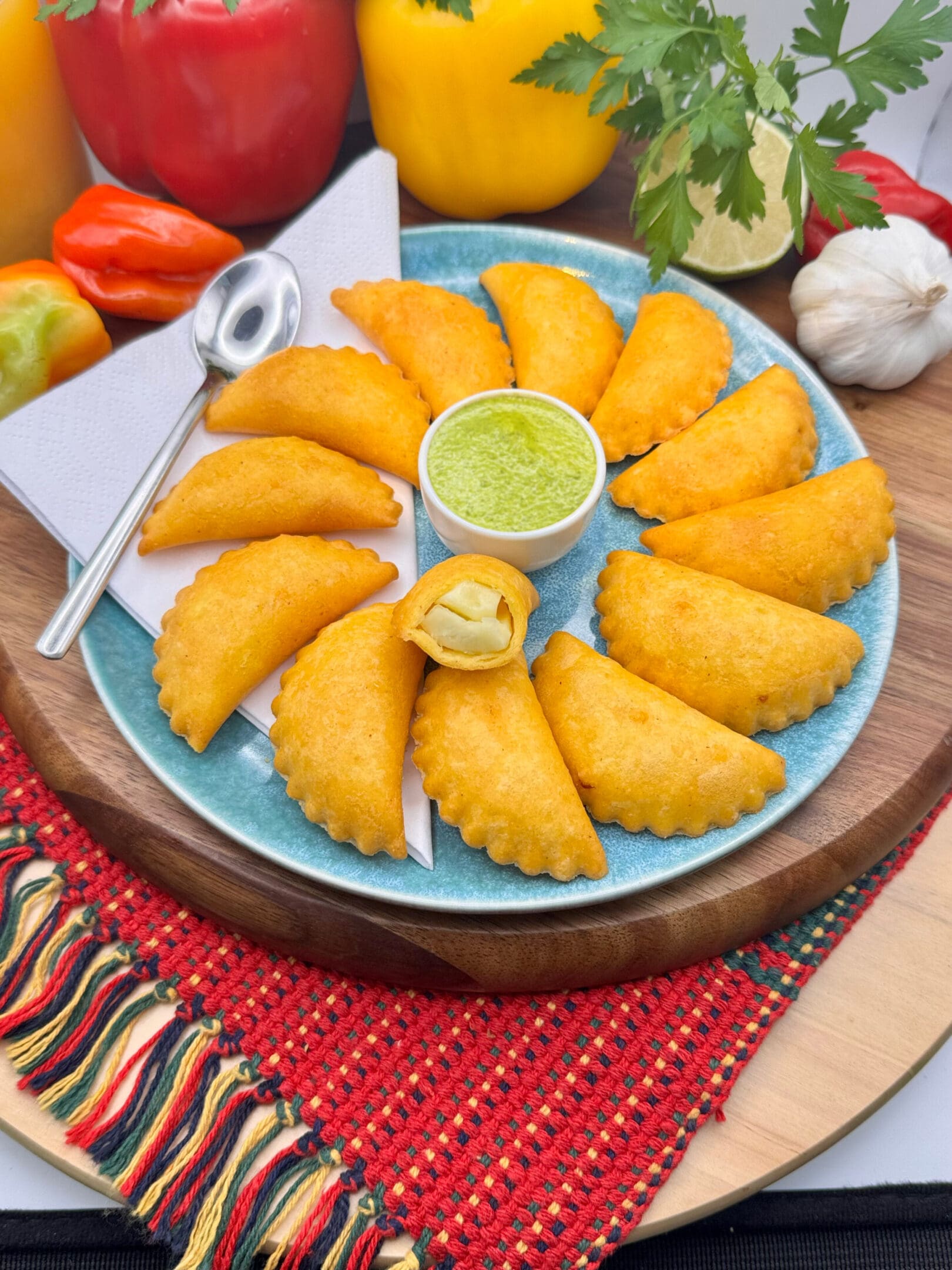
Mini Empanadas – Cheese – Pack of 12
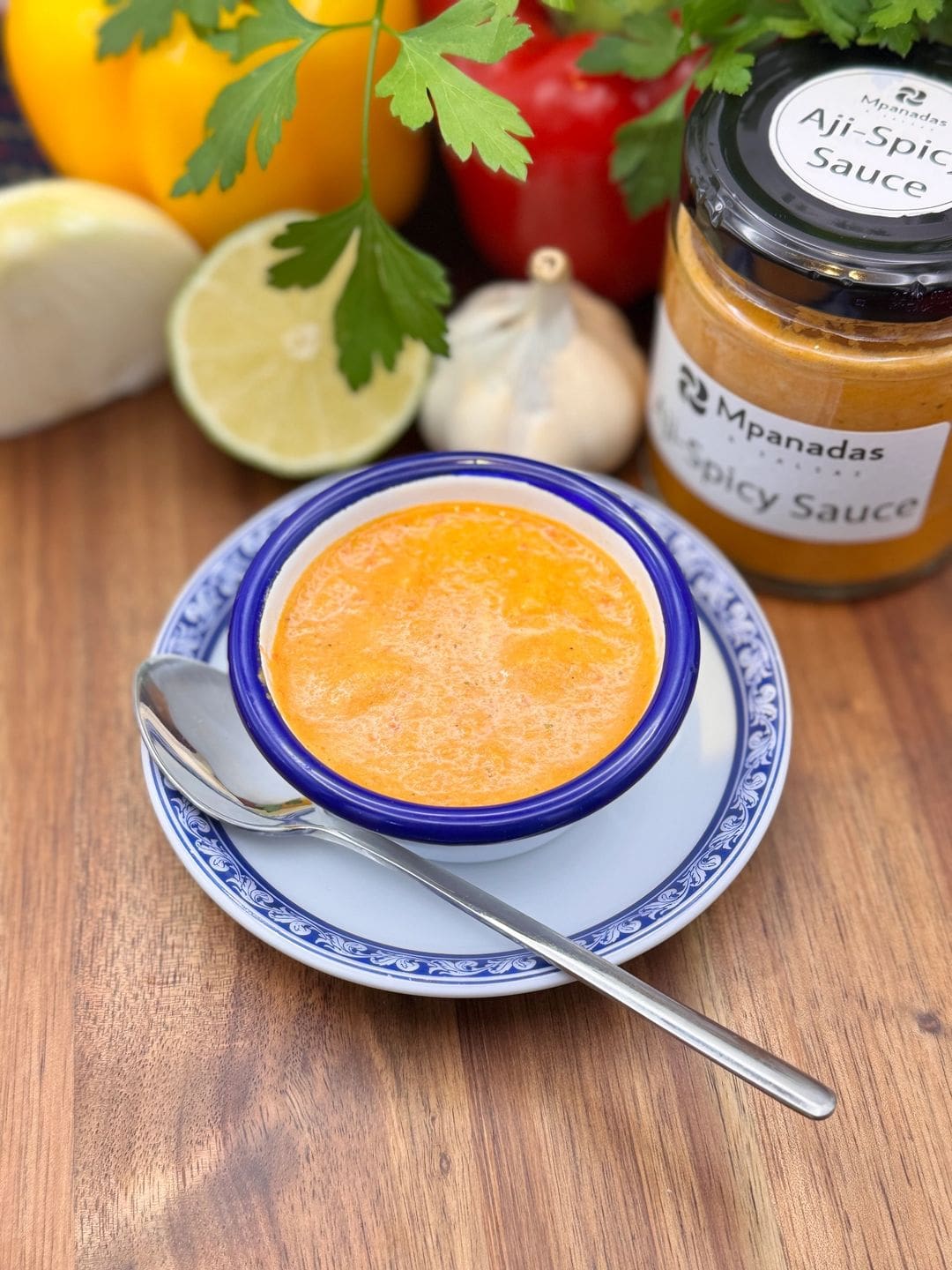
Aji – Spicy Salsa
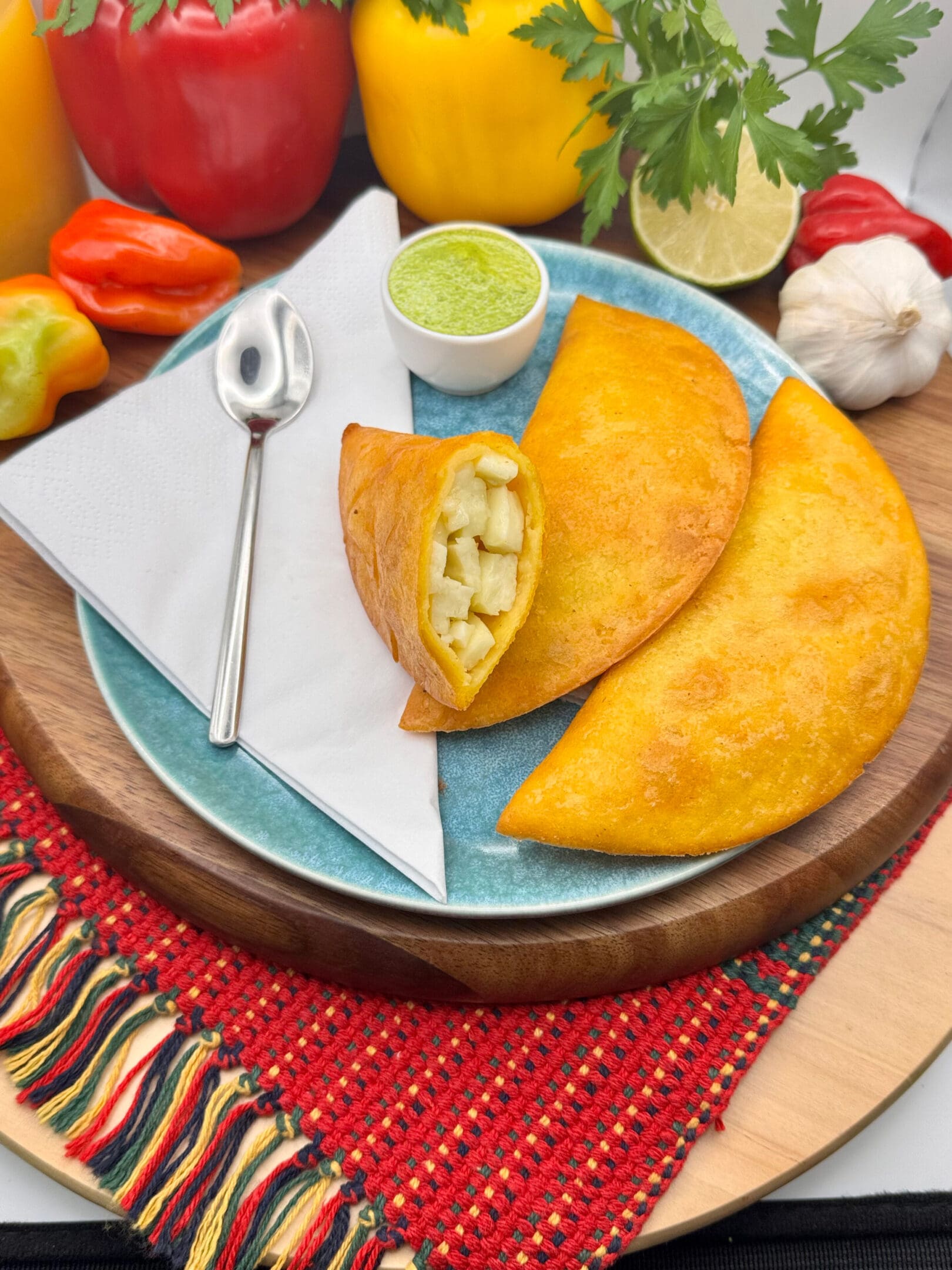
Classic Empanada – Cheese
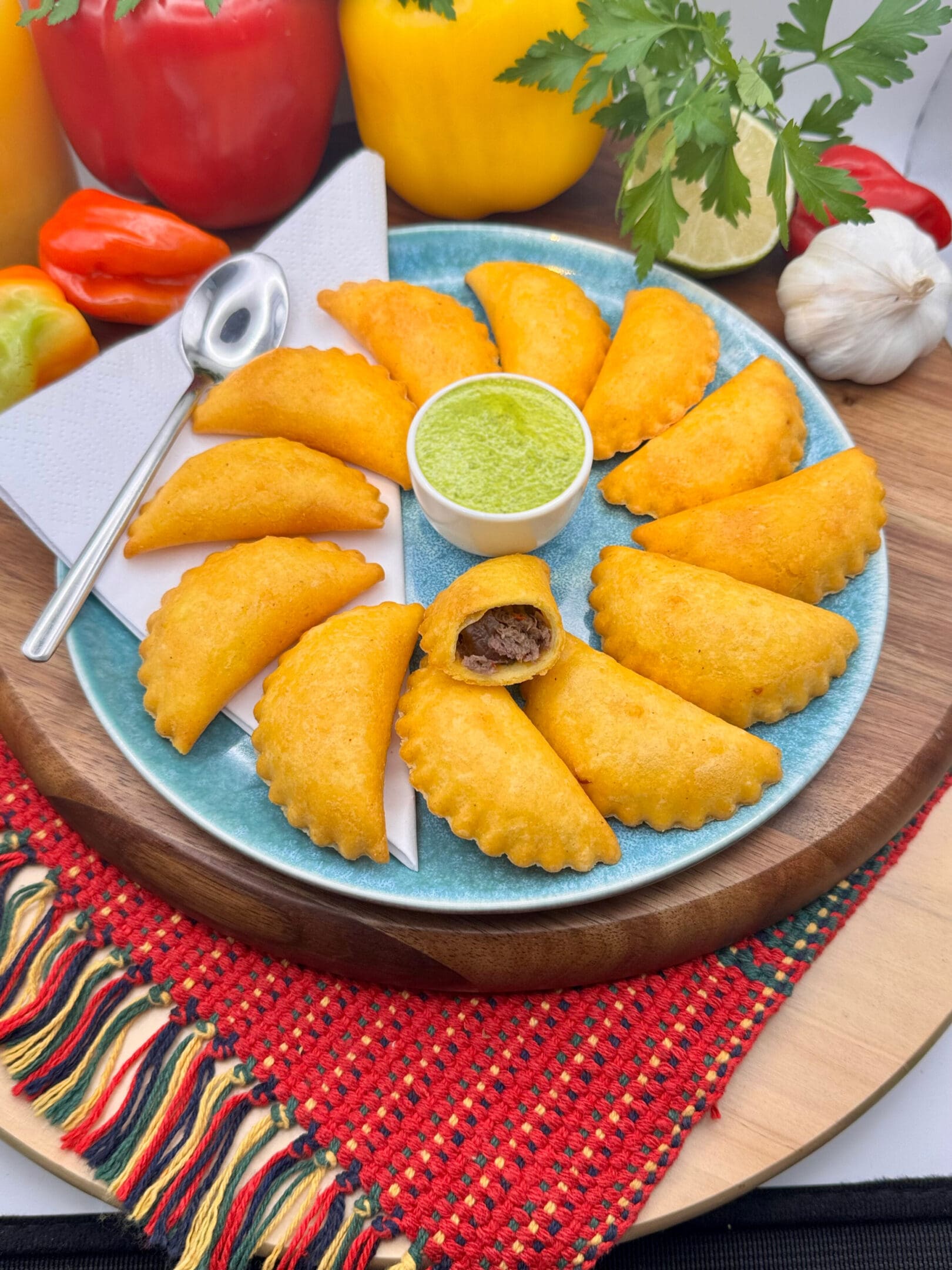
Mini Empanadas – Shredded Beef – Pack of 12
Reach Out To Us For Retail or Wholesale Enquiries
Tasty Reads Worth a Look










About Our Empanadas and Salsas
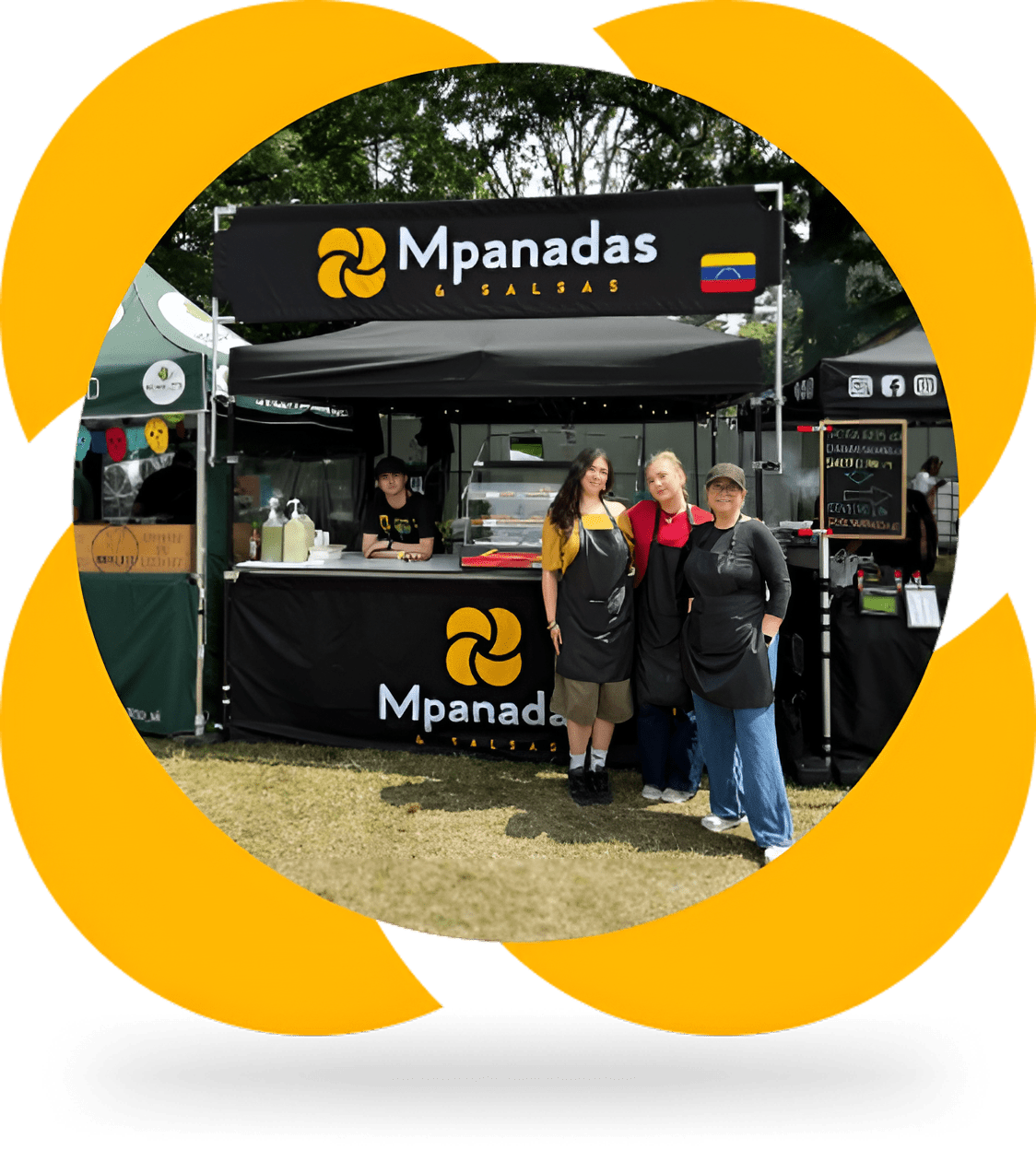
At Mpanadas & Salsas, every bite tells a story. Born from Libia’s lifelong love of traditional Venezuelan cooking, our empanadas and salsas bring the bold, homegrown flavours of South America to the UK. Passed down through generations and perfected over decades in hospitality, our recipes are rooted in heritage and made by hand with heart. Taste the tradition, because great food should always feel like home.
Empanadas Delivered UK Wide
Mpanadas & Salsas
Authentic Venezuelan frozen empanadas delivered across the UK to homes and restaurants. Our handmade empanadas feature traditional and regional fillings with options that are gluten free, halal, and vegan friendly.
Address: 6 Turnstone Cl, East Tilbury, Tilbury RM18 8FG
Phone: 07572 417492
Website: mpanadas.co.uk
Proudly women-owned and LGBTQ+ friendly. Rated 5.0 by our customers. Open from 8 am daily.