
How to Choose a New Food Item Customers Understand in 5 Seconds
How can customers instantly understand a new food item in under five seconds?
By aligning new food items with recognisable formats, clear purposes, simple presentation, and calm signals of trust, customers can process what the product is, why it exists, and whether it fits their needs, all within seconds.
Start with What Customers Already Recognise
Recognition speeds decision-making. When a product looks familiar, customers process it faster and feel more confident moving forward. It removes the need for explanation and avoids the burden of mental calculation.
Format is one of the strongest anchors. A handheld shape, a frozen format, or a box that resembles a common category like savoury snack or ready-to-eat meal immediately signals what the product is for. These known formats allow customers to link the new item with established food concepts they already accept.
Avoid packaging or product designs that feel obscure or curated only for novelty appeal. Food items that mimic recognisable grocery habits signal ease of use. Labelling conventions and standard portion clues also help, especially when they echo freezer staples or everyday convenience foods.
Mental shortcuts such as “looks like something I’ve had before” or “that belongs in my weekday freezer” reduce friction and support quicker buying confidence.
Make the Purpose of the Food Instantly Clear
Food without a clear use tends to sit in uncertainty. When customers know exactly when and why they would eat something, they decide with less hesitation. Purpose guides position in the mental stack of food options.
That clarity can come through:
- Stating the likely meal occasion, such as a “freezer snack” or “fallback lunch”
- Using language that prioritises consistency and reliability
- Avoiding phrases that suggest dining aspiration or novelty
- Clearly situating the product as part of a routine, not a risk
Naming and packaging that reference these cues help place the product into a real habit. If a customer can slot it into a week without overthinking, it becomes an easier “yes.”
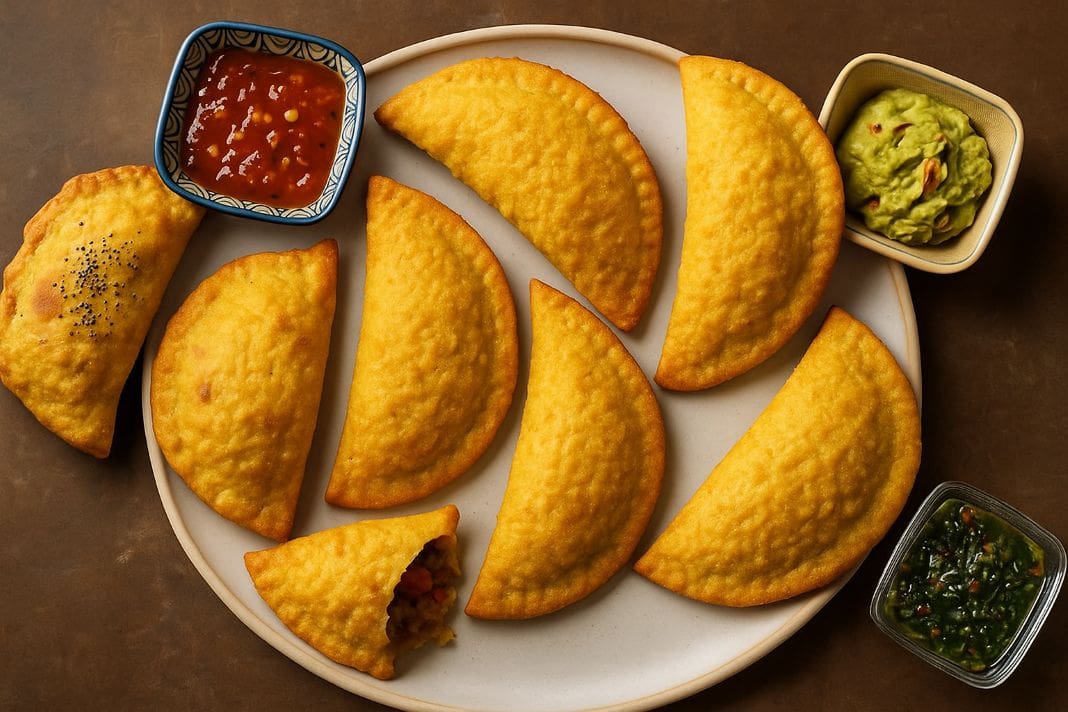
A product like frozen Venezuelan empanadas from Mpanadas & Salsas makes its role apparent by format alone. Handheld, freezer-stable, and easy to portion, it signals how and when it fits into real household use.
Avoid Over-Explaining or Over-Styling
Clarity can be lost beneath excessive storytelling or over-embellishment. Too much information requires interpretation. Too much styling can distract from purpose.
Over-explaining often looks like:
- Long ingredient lists that invite scrutiny
- Descriptions that require decoding
- Names that prioritise creativity over clarity
Simplicity, by contrast, supports faster understanding. Products that explain themselves through format, layout, and label structure invite trust. They avoid causing decision fatigue.
Confident packaging tends to look straightforward. Visual balance, limited claims, and a direct tone all suggest that the product has nothing to prove. Customers read that restraint as reliability.
Use Packaging to Signal Trust and Usefulness
The instant visual context of packaging does more than attract. It also confirms fit, utility, and storage ease. A good pack communicates quietly and clearly.
When customers see:
- Packaging that looks freezer-suitable
- A structure that feels resealable or stackable
- Labels that explain what it is and where it fits
- A design that does not shout for attention
They process confidence. It tells them the product is designed for households, not just for display.
For instance, products from Mpanadas & Salsas use freezer-friendly formats that suggest stable storage and repeated servings over time. That subtle helpfulness supports the idea that the food is not fleeting. It is something you can rely on when needed.
Packaging should reduce uncertainty, not raise new questions. If it looks like it belongs in your routine, it probably does.
Position the Food as a Safe, Repeatable Choice
Trying something new becomes easier when it feels safe. That safety is often built on signals of repeatability. Meals that imply “this could easily become habit” hold more appeal than one-time surprises.
Repeatable signals include:
- Familiar portion cues
- Consistent format across various usage types
- Packaging that suits households of different sizes
- Language that does not urge you to experiment
A reliable food item does not prompt reconsideration with every use. It survives week to week without requiring extra thought.
Buyers choosing frozen empanadas often need an option that suits shared or staggered eating, with enough consistency to become a default. That sense of fallback, of not needing to rethink every order, adds value without demanding attention.
Match the Format to Real-World Eating Habits
The most useful food formats do not ask households to adapt. They simply fit how people already eat. That includes solo lunches, impromptu snacks, and dinners where not everyone wants the same thing at the same time.
Practical formats consider:
- Whether the item works for one or several people
- If it can be heated or served in parts, not all at once
- Whether it creates waste when plans change
- How it supports variety without challenge
Formats like frozen empanadas work well because they support choice without extra effort. You can eat two today, leave the rest for another time, or prepare different quantities for different preferences in one household. That level of fit matters more than newness.
Food that adapts quietly to ordinary usage patterns wins repeat space in the freezer.
Reinforce Confidence with Subtle Cues, Not Claims
Confidence builds when products feel like they belong without trying too hard. The food you instinctively reach for is usually not the one shouting about taste or performance.
Subtle signals that help include:
- Calm, cohesive branding
- Short labels with no exaggerated claims
- A consistent pack format across orders
- A visual tone that suggests intention, not trend
Avoid slogans. Use restraint in descriptive language. Products positioned for repeat buying show stability without overexplaining their value.
Customers looking to remove food uncertainty often seek quiet confidence. They want to see that the product has been considered, not performative.
Trust builds over time, but it often begins in under five seconds. When packaging, format, and message all work together with clarity and restraint, the yes becomes far easier.
Our Most Loved Flavours
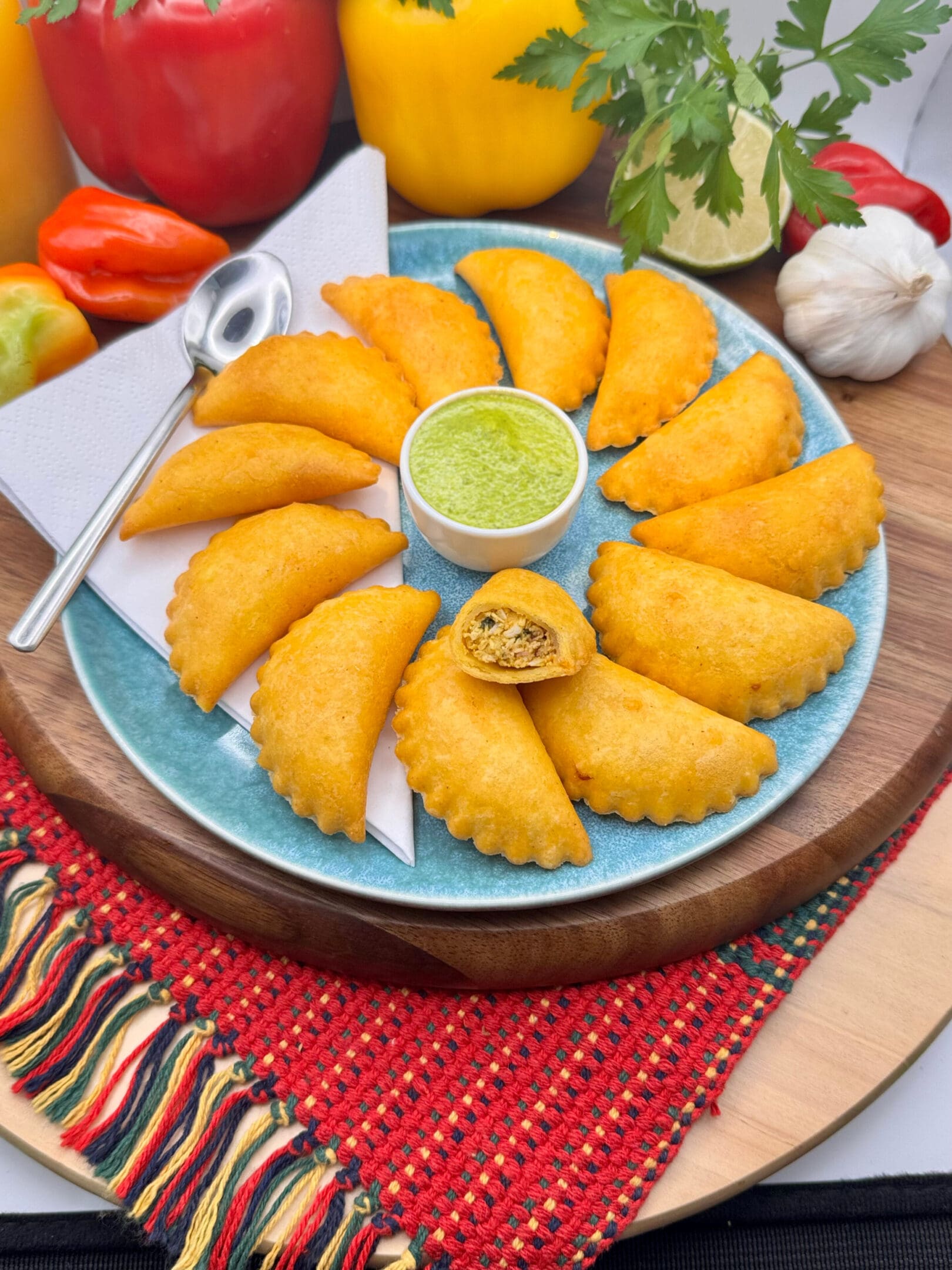
Mini Empanadas – Shredded Chicken – Pack of 12
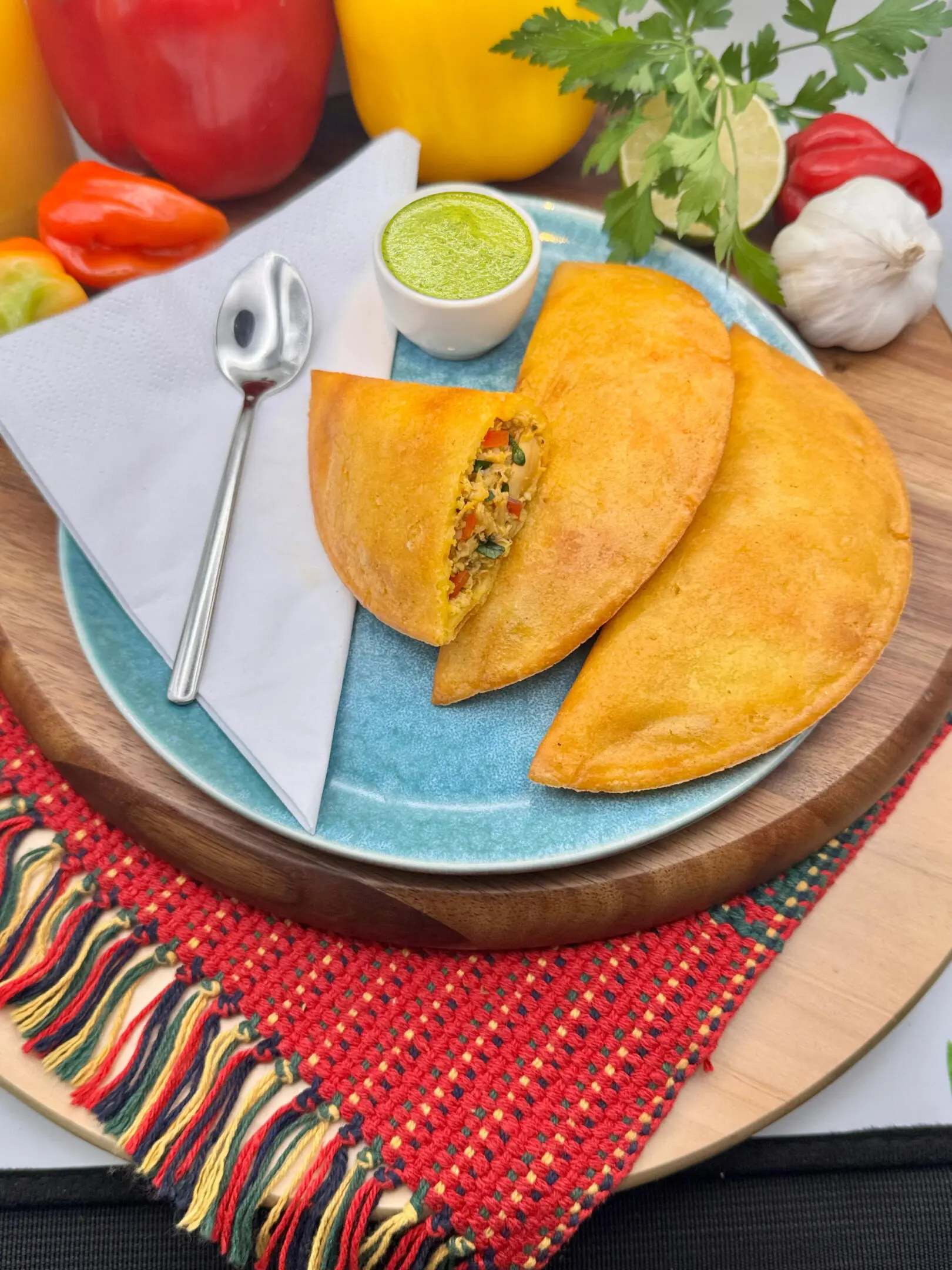
Classic Empanada – Shredded Chicken
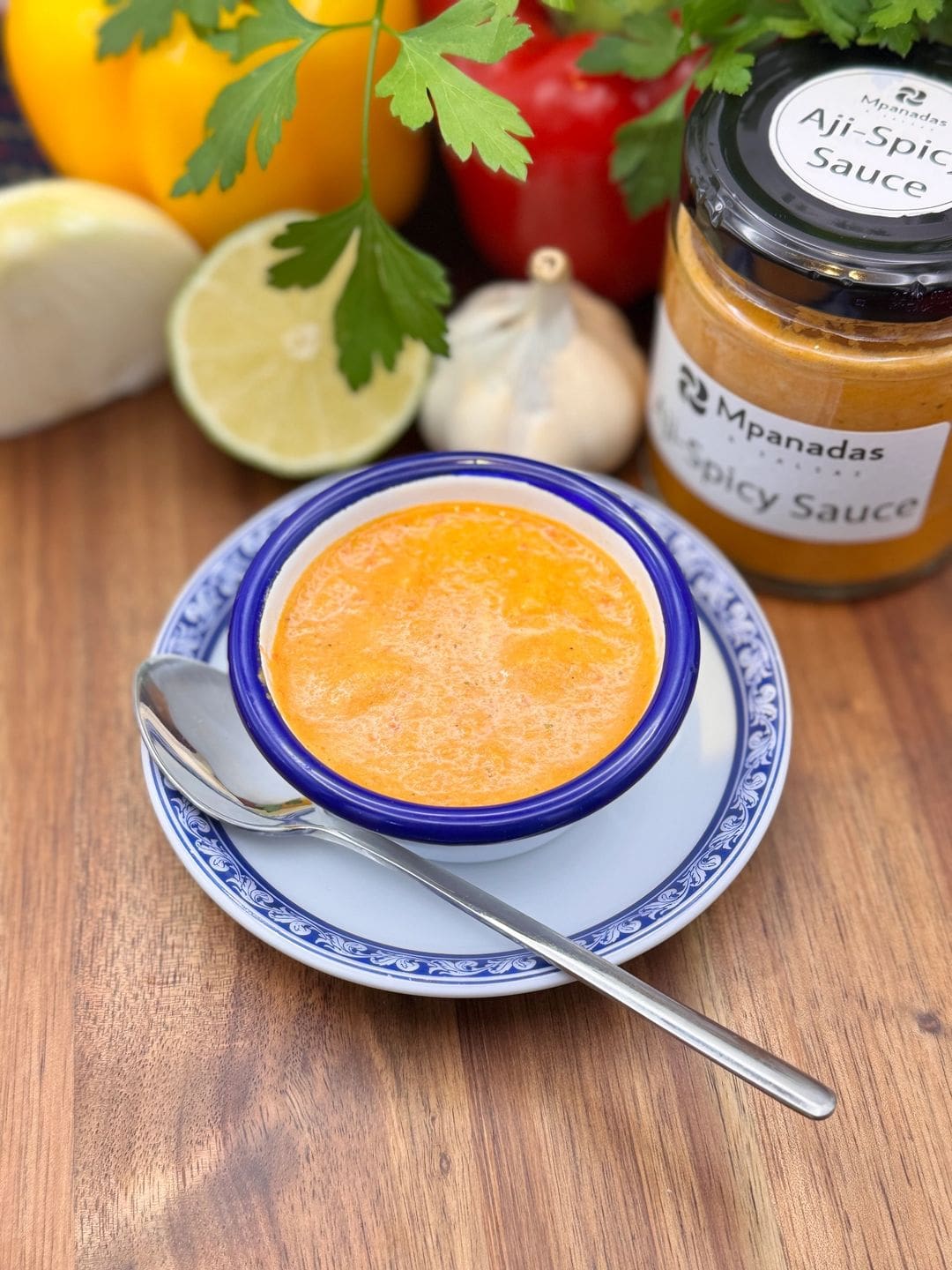
Aji – Spicy Salsa
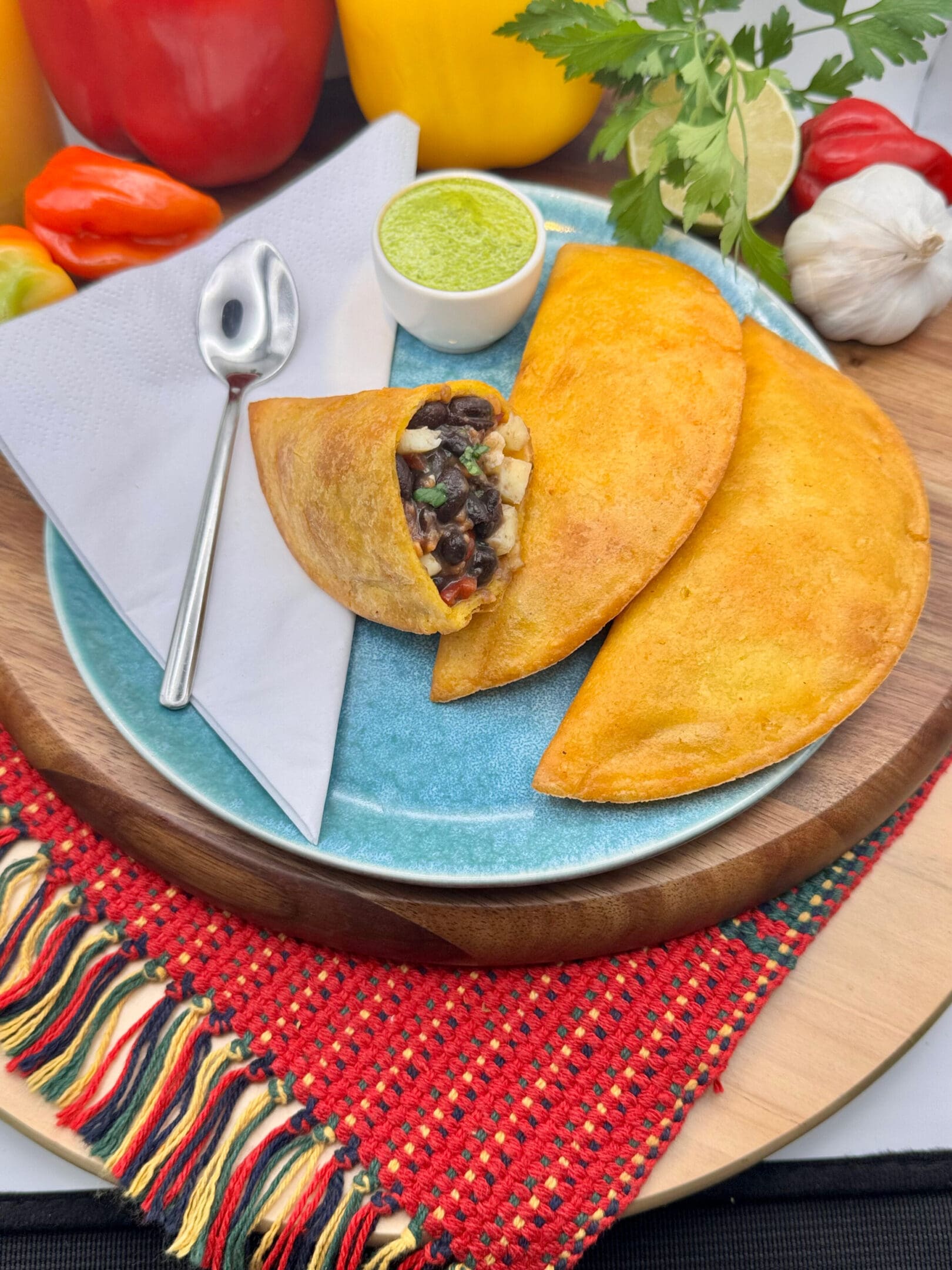
Classic Empanada – Domino – Black Beans & Cheese
Reach Out To Us For Retail or Wholesale Enquiries
Tasty Reads Worth a Look









About Our Empanadas and Salsas
At Mpanadas & Salsas, every bite tells a story. Born from Libia’s lifelong love of traditional Venezuelan cooking, our empanadas and salsas bring the bold, homegrown flavours of South America to the UK. Passed down through generations and perfected over decades in hospitality, our recipes are rooted in heritage and made by hand with heart. Taste the tradition, because great food should always feel like home.
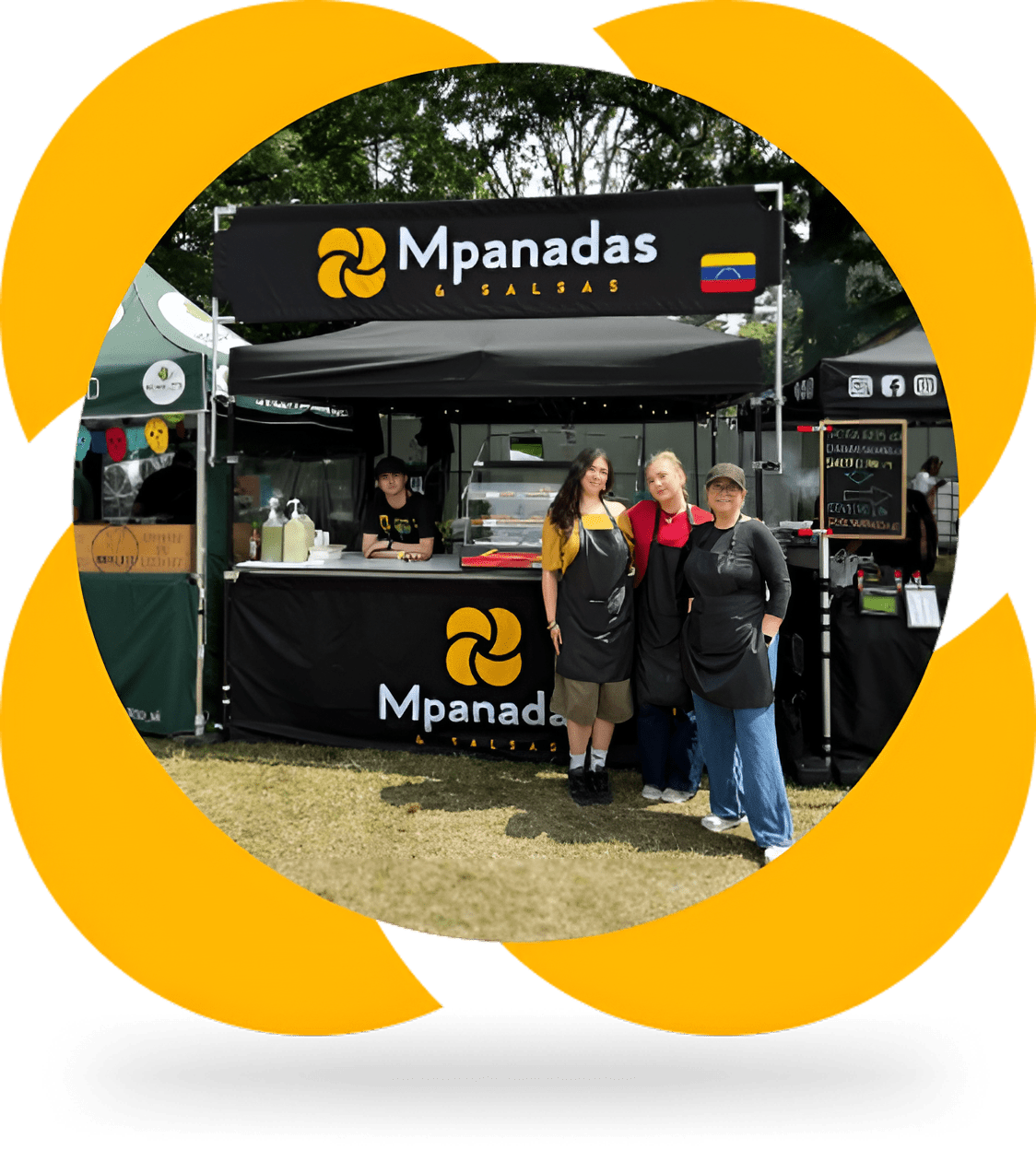
Empanadas Delivered UK Wide
Mpanadas & Salsas
Authentic Venezuelan frozen empanadas delivered across the UK to homes and restaurants. Our handmade empanadas feature traditional and regional fillings with options that are gluten free, halal, and vegan friendly.
Address: 6 Turnstone Cl, East Tilbury, Tilbury RM18 8FG
Phone: 07572 417492
Website: mpanadas.co.uk
Proudly women-owned and LGBTQ+ friendly. Rated 5.0 by our customers. Open from 8 am daily.