
How to Tell If Empanadas Are Truly Gluten-Free?
How can you tell if an empanada is really gluten-free?
You can tell if an empanada is truly gluten-free by checking both the ingredients and how it's been prepared. Ingredients alone are not enough. Cross-contamination during cooking, baking, or serving can turn a seemingly safe empanada into a risky one. It is not just about what's in it. It is about how it's handled every step of the way.
Why Empanadas Are Especially Tricky for Gluten-Free Diets?
Empanadas might seem simple - a bit of dough, a tasty filling, baked or fried. However, for anyone avoiding gluten, they pose more complications than they first appear to.
Empanadas vary widely across cultures and recipes. Some use cornmeal dough, while others rely on wheat flour. You might have eaten corn empanadas before and assumed they are always safe. However, these assumptions can backfire, especially when recipes shift from one home kitchen or market stall to another.
Many cautious consumers share this constant vigilance. Whether it is reading labels or asking about preparation surfaces, this level of dietary vigilance is tiring but often necessary. If you are managing coeliac disease or living with gluten sensitivity, your caution is both valid and understood.
What Actually Determines Whether an Empanada Is Gluten-Free?
A staff member’s quick reassurance or a loosely used label might sound convincing. However, true gluten-free status is about much more than simply avoiding wheat.
In the UK, food labelled “gluten-free” must contain less than 20 parts per million (ppm) of gluten. This follows Codex Alimentarius guidelines and is enforced through national food labelling laws. Even if a product does not contain wheat, it could still exceed safe limits through contaminated handling.
Think of it this way: ingredients are the foundation, but process is the structure. Clean building blocks are no good if the construction site is dusty.
UK labelling standards follow the Codex Alimentarius threshold of 20 ppm gluten. This is in line with EU regulations and similar to many international standards. However, in some countries, the enforcement of these standards is weaker or voluntary, so the same label abroad might not mean the same thing.
Recognising this difference is for those living with coeliac disease, gluten intolerance, or food-related health concerns.
Ingredients That Matter – and the Ones People Often Overlook
It is common to focus on the dough when asking about gluten, and that makes sense. However, fillings and flavourings are often the source of hidden gluten.
Fillings can include ingredients like thickeners, soy sauce, or stock cubes, all of which may contain gluten. Even seasonings and spice blends, if not checked, can introduce risk. Something labelled “naturally gluten-free” might still have been packed or processed in facilities that also handle wheat.
People often miss these risks not because they are careless, but because food labelling is not always transparent. For those managing gluten-free diets, especially with coeliac concerns, trace sources can cause symptoms.
That is why it is helpful to go beyond surface-level checks and consider where and how the ingredients were handled. Identifying hidden gluten in fillings is key to avoiding accidental exposure.
Ingredients vs Preparation: The Difference That Causes Most Reactions
Even when the ingredients check out, the way food is prepared makes a big difference.
A chopping board dusted with flour, a tray used minutes ago for wheat-based food, or an oven shared between batches - all these can cause cross-contamination.
Many kitchens do their best. However, without separation in workflow, gluten can easily make its way into a supposedly safe dish.
Gluten-related reactions are often linked to how food was handled, not what was written on the menu. That is why preparation processes deserve just as much attention.
The most overlooked difference between safe and unsafe food often lies in the workflow. Gluten-free preparation means more than using safe ingredients. It involves separation, sanitisation, and a process that prevents accidental contamination from start to finish.
How Cross-Contamination Happens With Empanadas?
Empanadas are usually made in bulk and stored or cooked in batches. That increases their risk of cross-contamination.
Fryers may be reused after cooking wheat-based items. Baking trays could hold both wheat and gluten-free empanadas. In many kitchens or pop-ups, tongs and counters are shared by default.
Even flour particles in the air can settle on surfaces and introduce gluten.
Here are some of the most common signs that cross-contamination may be likely:
- Shared oil in fryers used for breaded or wheat-based items
- Trays used for both gluten-free and wheat empanadas without cleaning in between
- Utensils like tongs or spatulas used across batches
- Open flour in the preparation area or airborne dust
- Staff unsure about separation processes
These scenarios are ordinary, not extreme. However, they help explain why even gluten-free recipes might lead to unexpected symptoms.
How to Read Gluten-Free Claims and Labels Properly?
Labels offer guidance, but only if you understand the difference between similar-sounding claims.
In the UK, “gluten-free” means tested to fall below 20 ppm. “No gluten-containing ingredients” means wheat, rye, and barley are not listed, but the product may not be tested for contamination.
Some products feature trusted certification logos, while others rely on self-declared claims.
Here is how to read between the lines:
- “May contain traces of gluten” - likely not safe
- “Made in a facility that handles wheat” - ask more questions
- Recognised gluten-free certification - adds reassurance
The Food Standards Agency and British Retail Consortium both promote clear labelling. Understanding their guidelines improves label literacy and supports confident food choices.
What to Ask Before Buying or Eating an Empanada?
Simple, well-phrased questions can reveal whether a business takes gluten-free food seriously.
These are good questions to ask about gluten-free food to help you assess risk:
- Do you use a separate fryer or oven for gluten-free items?
- Is your dough made in a certified gluten-free environment?
- Do the fillings include thickeners, soy sauce, or stock cubes?
What kind of answers inspire trust? Here are a few examples of responses that usually indicate good process awareness:
- “Yes, we have a separate fryer just for gluten-free items.”
- “We prepare our gluten-free dough in a different part of the kitchen.”
- “All of our staff are trained on gluten safety and coeliac needs.”
If someone hesitates or does not know the answer, you are within your rights to walk away politely. These are health questions, not preference requests.
Making a Confident Decision Without Second-Guessing Yourself
It takes a lot of effort to stay on top of your dietary needs. Confidence comes gradually, not instantly.
Patterns start to appear. Some places handle gluten-free requests well. Others do not. As you gain experience, you build a shortlist of reliable food sources.
On some days, you will ask every question. On others, you will play it safe. That is not inconsistency. It is self-awareness and emotional energy management.
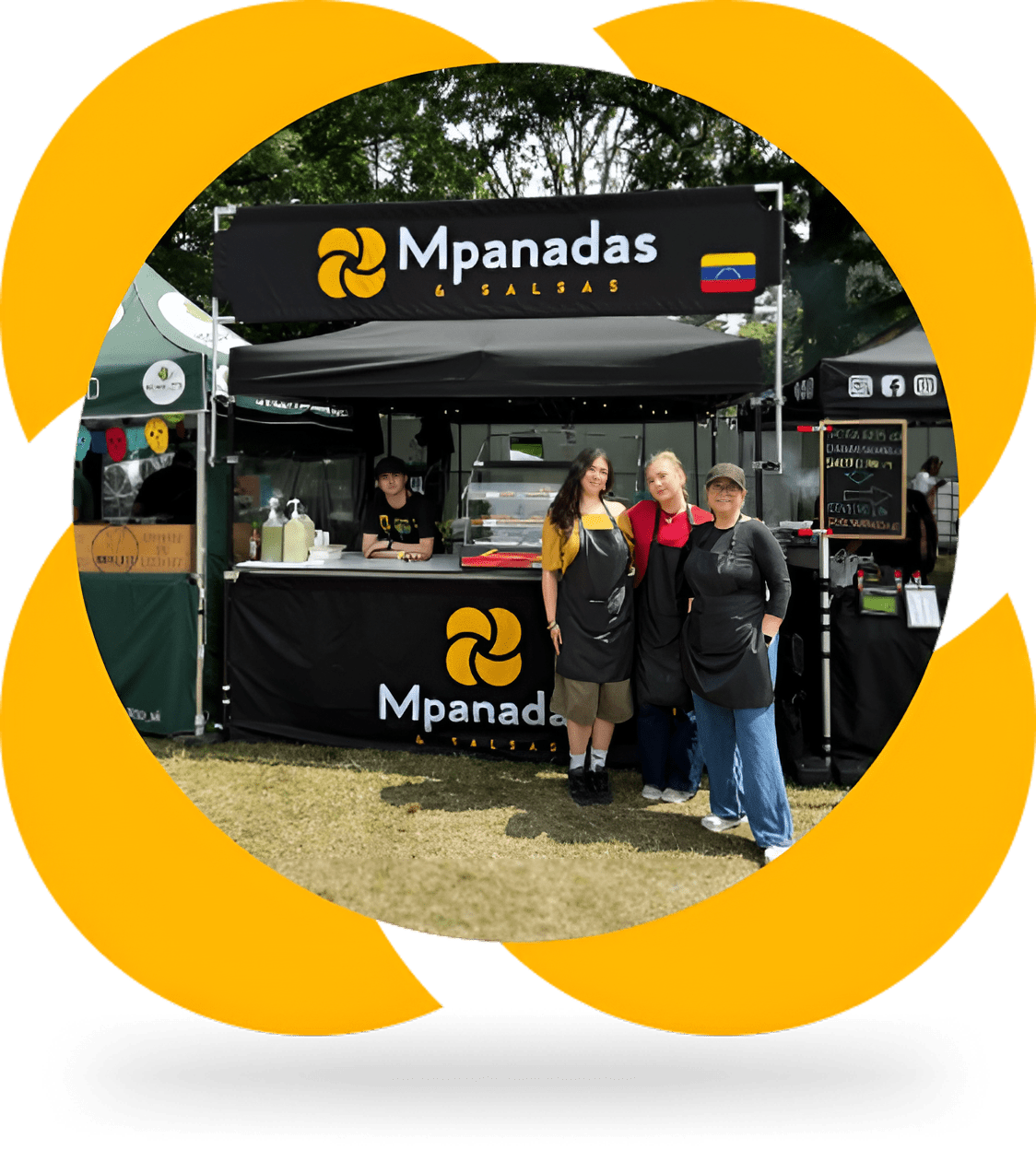
When you find somewhere like Mpanadas & Salsas, where answers are clear, preparation is safe, and you feel respected, hold onto it.
Confidence is not about knowing everything. It is about learning to read a situation, trust your instincts, and take care of yourself based on what feels right at the time. Over time, trusting gluten-free food sources becomes easier as patterns and reliability emerge.
Our Most Loved Flavours
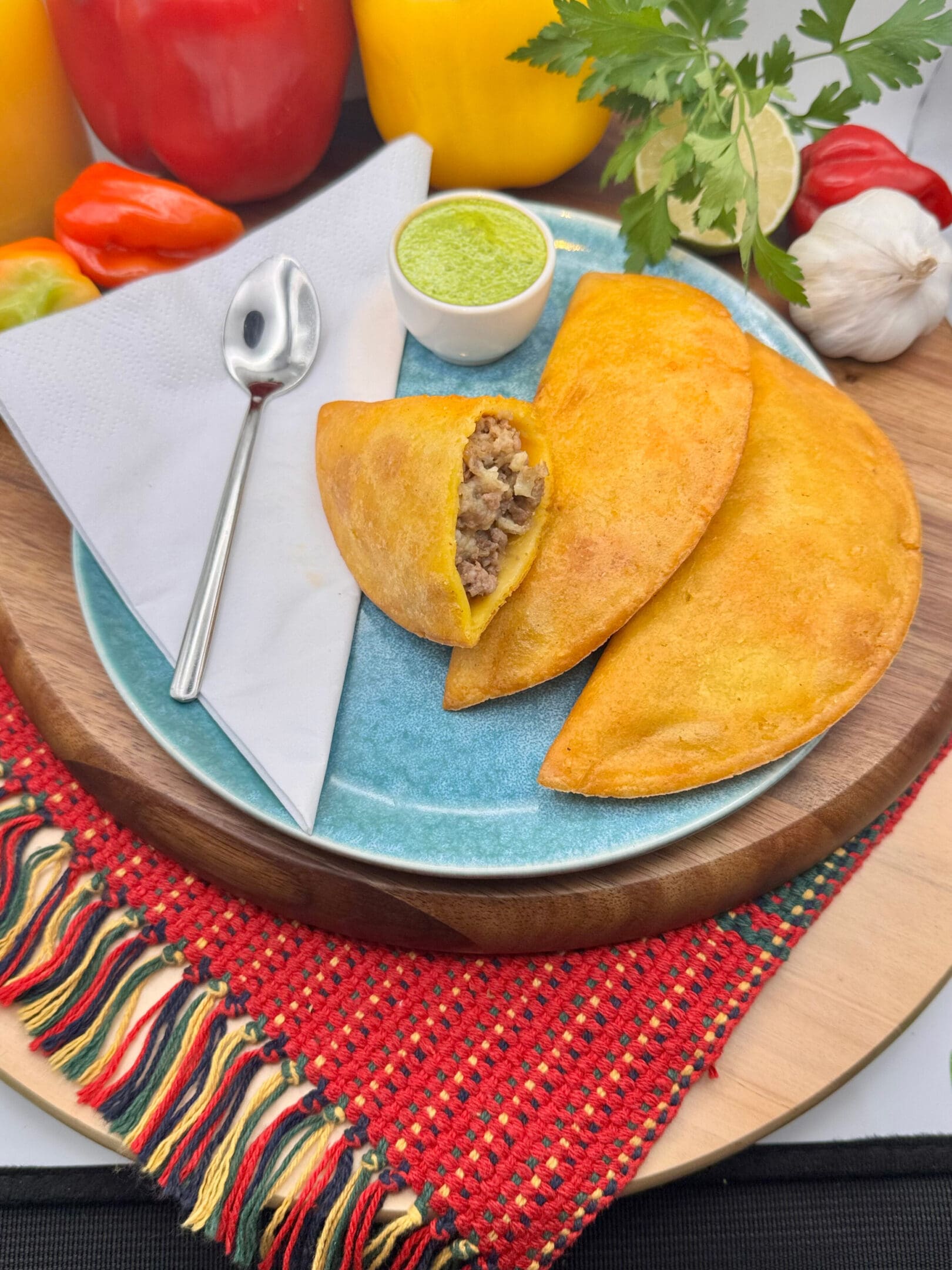
Classic Empanada – Minced Beef & Cheese
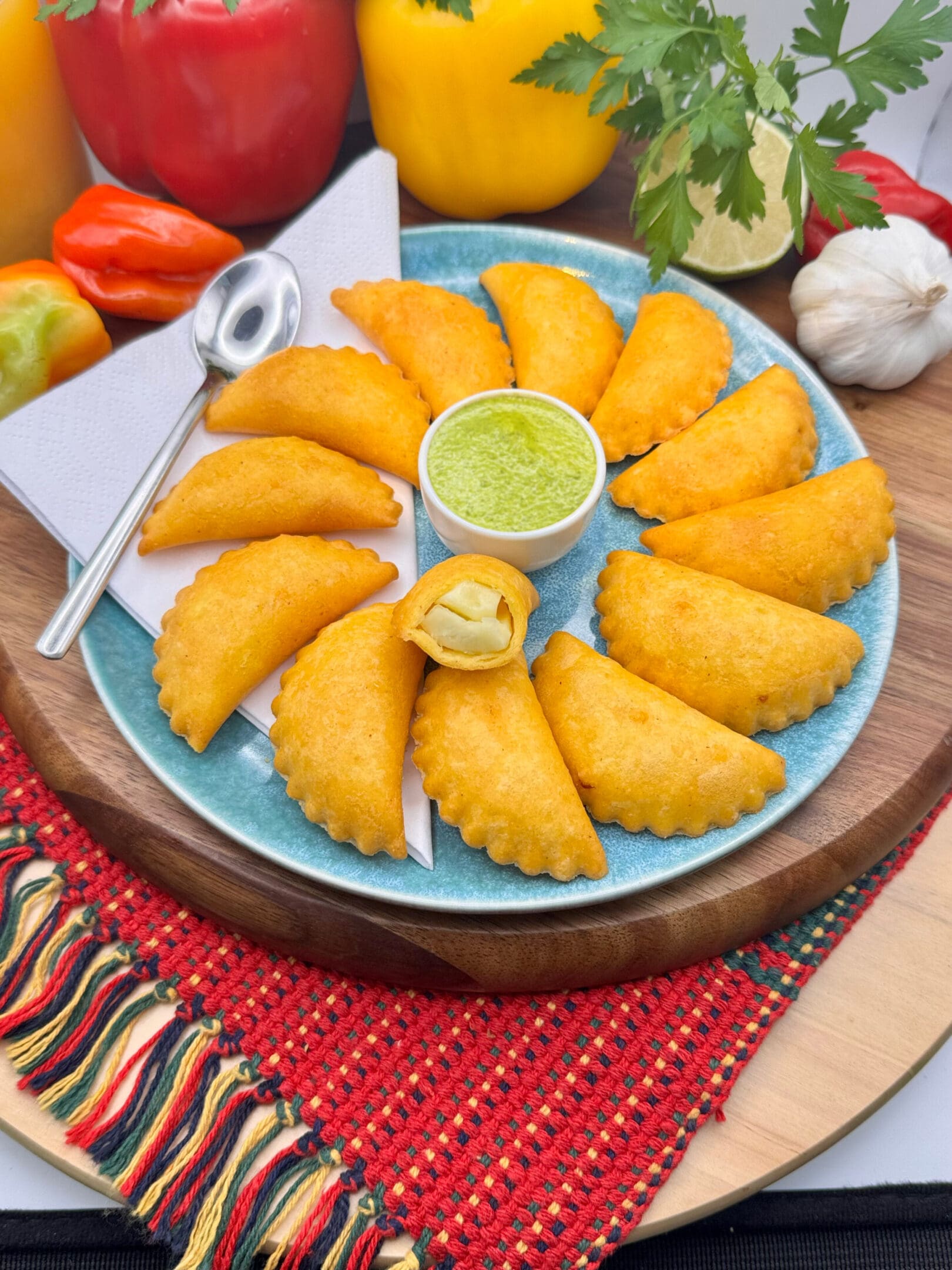
Mini Empanadas – Cheese – Pack of 12
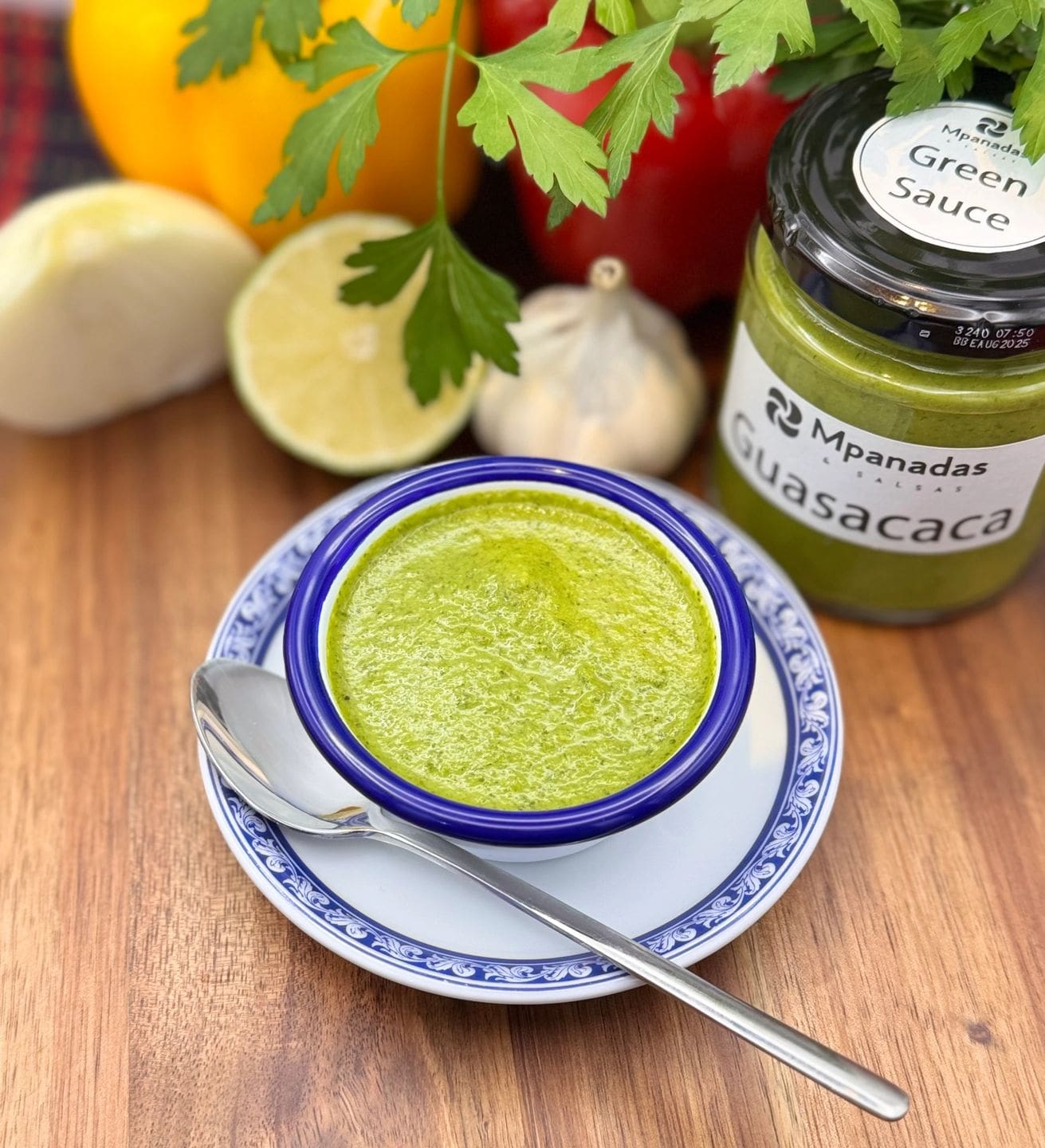
Guasacaca Salsa
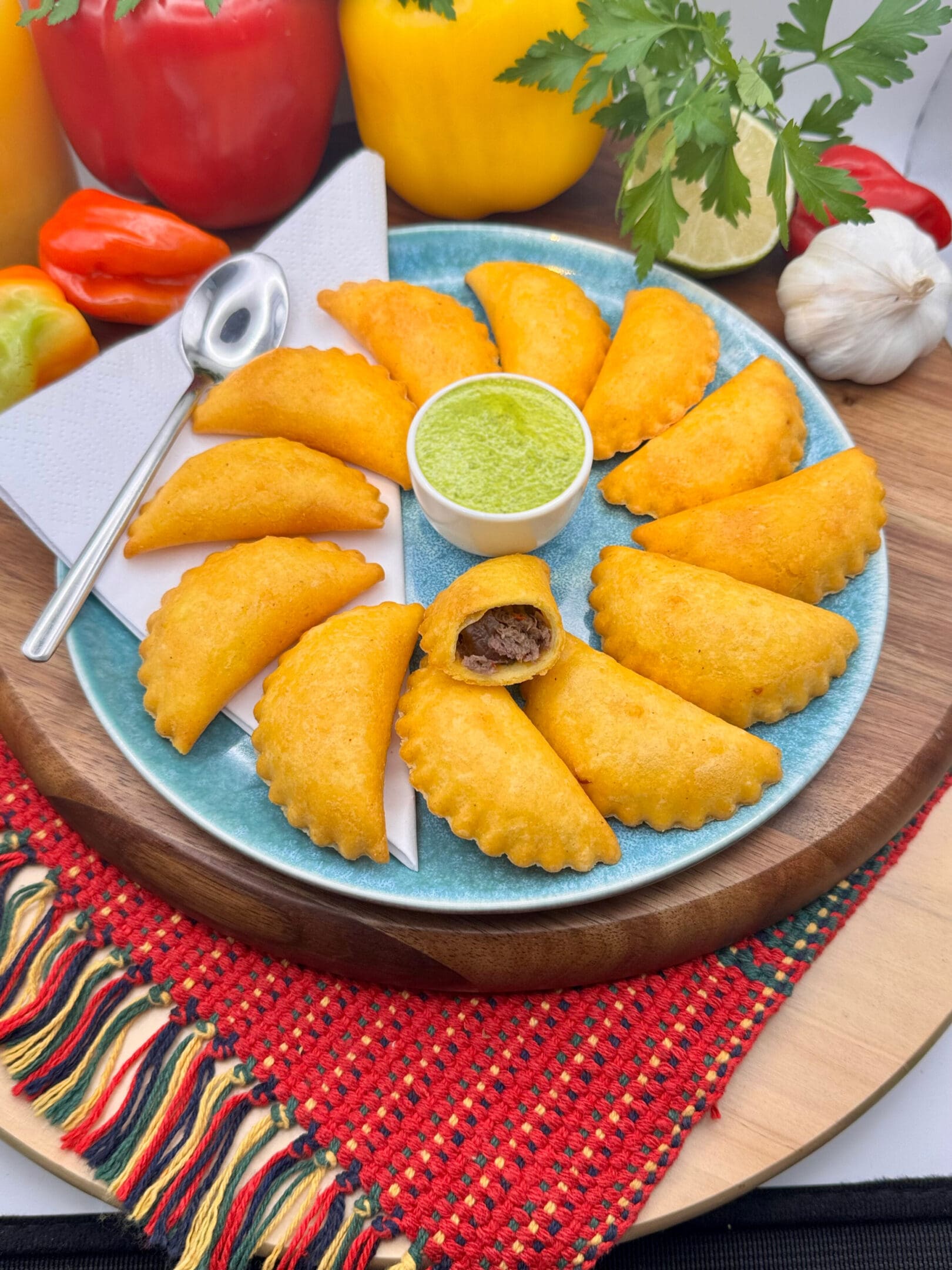
Mini Empanadas – Shredded Beef – Pack of 12
Reach Out To Us For Retail or Wholesale Enquiries
Tasty Reads Worth a Look




About Our Empanadas and Salsas
At Mpanadas & Salsas, every bite tells a story. Born from Libia’s lifelong love of traditional Venezuelan cooking, our empanadas and salsas bring the bold, homegrown flavours of South America to the UK. Passed down through generations and perfected over decades in hospitality, our recipes are rooted in heritage and made by hand with heart. Taste the tradition, because great food should always feel like home.
Empanadas Delivered UK Wide
Mpanadas & Salsas
Authentic Venezuelan frozen empanadas delivered across the UK to homes and restaurants. Our handmade empanadas feature traditional and regional fillings with options that are gluten free, halal, and vegan friendly.
Address: 6 Turnstone Cl, East Tilbury, Tilbury RM18 8FG
Phone: 07572 417492
Website: mpanadas.co.uk
Proudly women-owned and LGBTQ+ friendly. Rated 5.0 by our customers. Open from 8 am daily.