
8 Common Mistakes When Cooking Empanadas (and How to Avoid Them)
What are the most common mistakes when cooking empanadas at home?
Most empanada problems stem from five key issues: dough hydration, filling moisture, sealing, temperature control, and overfilling. Each of these issues can cause soggy bases, cracked edges, or uneven cooking. The good news is that with a few small changes, you can avoid these problems and get reliable, tasty results every time. These UK empanada tips are designed to help home cooks improve their outcomes without relying on guesswork.
1. Why Small Mistakes Can Ruin a Great Empanada
Even skilled cooks sometimes produce disappointing empanadas. Cracks, leaks, or uneven browning are usually the result of an imbalance between the dough’s elasticity, the moisture level in the filling, and the way heat is distributed during cooking. Empanadas are essentially sealed parcels. As they cook, steam builds up inside. If the dough is too dry, it will crack. If the filling is too wet, the base can become soggy. Even a slight imbalance in texture or moisture can affect the final result.
Recipes are helpful guides, but dough can behave differently depending on the flour you use, the humidity in your kitchen, and how you handle it. By learning how these factors influence the cooking process, you will be better equipped to achieve consistent results. In this guide, you will find common empanada fails explained in a clear and approachable way, along with practical solutions.
2. What Really Causes Most Empanada Problems in Home Kitchens
Three main factors tend to cause the majority of empanada problems: the dough’s water content, the moisture level in the filling, and how evenly your oven or fryer maintains heat. If your dough is too dry, it will crack. If it is too wet, it becomes sticky and difficult to handle. UK flours can absorb water differently than others, so it is often more reliable to judge by feel rather than strictly following measurements.
Fillings that are hot or overly moist release steam quickly as they cook, which puts pressure on the pastry and often leads to splitting or softening. To prevent this, allow the filling to cool fully and use ingredients like mashed potatoes or breadcrumbs to help absorb excess moisture.
Temperature control is another factor. Many domestic ovens vary in accuracy, so it is a good idea to preheat thoroughly and use a thermometer if needed to verify the internal temperature. These small adjustments can greatly improve your results.
3. The Dough Issues That Lead to Cracks, Toughness, or Gummy Texture
Empanada dough needs to be soft, elastic, and easy to work with. If it cracks, it is too dry. If it is sticky or becomes chewy, it may be overhydrated or has been worked too much. Letting the dough rest allows the gluten to relax, which makes it easier to roll and improves the final texture.
Ideally, your dough should feel like smooth, flexible modelling clay. This texture prevents tearing and avoids making the pastry too dense or rubbery. Rolling the dough to an even thickness is . If parts are too thin, they may burst. If they are too thick, they will not cook through properly. Using even pressure and a rolling pin will help ensure consistent thickness.
You can use plain or strong flour. Strong flour provides more structure but may require additional water. Adjust your hydration levels as needed. Resting the dough also supports gluten development, which improves pastry stability and texture.
4. Filling Mistakes That Make Empanadas Soggy, Leaky, or Weak
When your filling is too wet, fatty, or warm, it can weaken the dough and make sealing difficult. Warm filling softens the dough before it cooks, which increases the risk of leaks. Always allow your filling to cool before using it. Moisture is also a key issue. Juicy fillings create excess steam, which pushes against the pastry and can cause it to split.
Draining cooked vegetables or meats before adding them to the filling helps reduce moisture. You can also include ingredients like breadcrumbs or mashed potatoes, which absorb excess liquid and provide better filling structure.
High fat fillings can also break the seal of the dough. Choose leaner meats or balance them with moisture absorbing ingredients. It is also important to season your filling well before sealing, as you will not be able to adjust it once the empanadas are closed.
5. Sealing and Folding Errors That Cause Bursting or Split Edges
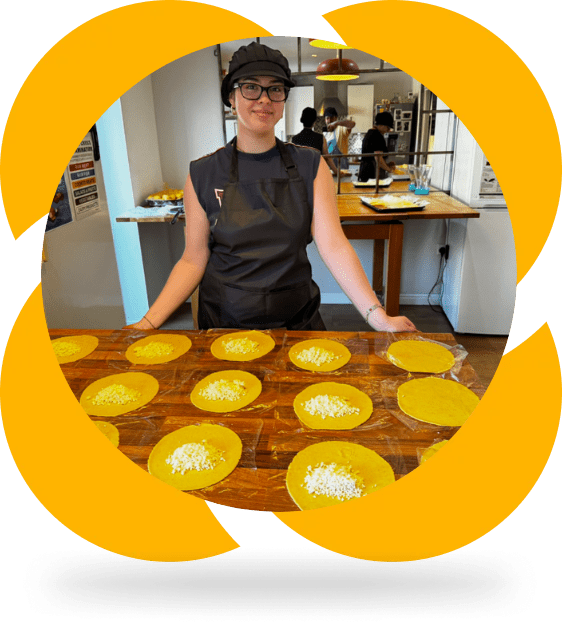
The way you seal your empanadas makes a big difference. Poor sealing allows air and steam to escape, which can cause the edges to split during cooking. Use just enough water to help the edges stick together. If you use too much, the dough becomes slippery and will not hold.
Before sealing, press gently around the filling to remove any trapped air. This reduces the pressure build up that can cause bursting. You can crimp the edges with a fork or use a fold and press method by hand. While decorative folds like the traditional repulgue look nice, they are not necessary for a strong seal. The key is creating an even, well-compressed edge.
A good seam must be strong enough to withstand the steam that builds up inside during cooking. Focus on consistent pressure and even edges for the best results.
6. Cooking Temperature and Method Problems That Affect Texture and Colour
The cooking method has a significant effect on texture and colour. Whether you are frying, baking, or using an air fryer, it is important to apply heat evenly and maintain consistent temperatures. Frying works best when the oil is heated to around 180°C. If the oil is too cool, empanadas absorb too much of it and turn greasy. Cook in batches to maintain the right temperature, and use a cooking thermometer if possible.
When baking, always preheat both the oven and the trays. A hot tray helps crisp the base and encourages browning. Make sure the empanadas are not packed too closely together, as good airflow ensures even cooking. Air fryers also work well, provided there is enough space between each pastry and they are flipped partway through cooking.
Look for golden colour and a firm texture to judge doneness. These visual and tactile cues are more reliable than relying solely on time.
Cooking Times for Pre-Cooked Empanadas
Pre-cooked empanadas can be reheated from frozen. In an air fryer or oven at 200°C, mini empanadas should be cooked for 8 minutes and classic-sized empanadas for 10 minutes. When using a deep fat fryer heated to between 175°C and 190°C, mini empanadas require 5 minutes, and classic empanadas take about 6 minutes.
To ensure even cooking, make sure the empanadas are fully submerged in oil. If they float to the top, carefully ladle hot oil over the exposed side. Maintain oil temperature throughout the process, and flip the empanadas if one side is cooking faster than the other.
7. Portioning and Overfilling Errors That Throw Everything Off
Putting too much filling in an empanada can cause a range of problems. The dough may stretch too thin, the seams might not seal properly, and the shape can become distorted. Aim for about one to two tablespoons of filling, depending on the size of the pastry. Place the filling in the centre of the dough circle for best results.
Using a measuring spoon helps keep each empanada consistent in size. This makes sealing easier, improves shape, and ensures more even cooking. Properly portioned empanadas hold their shape better and are less likely to burst during cooking.
8. The Simple “Perfect Empanada” Checklist to Use Every Time
To keep your cooking process predictable and your results reliable, follow these seven simple tips:
- Make sure your dough is soft, elastic, and not sticky.
- Allow fillings to cool completely and use ingredients like breadcrumbs or mashed potatoes to control moisture.
- Do not overfill. Measure out the filling with a spoon to keep quantities consistent.
- Press out any air before sealing the empanadas and apply even pressure to secure the edges.
- Always preheat your oven or oil and check the temperature if possible.
- Avoid overcrowding trays or pans to allow proper airflow.
- Cook until the empanadas are golden brown with a firm, crisp surface.
These tips form a quick empanada troubleshooting guide for home cooks. Keep helpful tools like a rolling pin, pastry cutter, thermometer, and measuring spoons nearby. Since UK ovens and flours can vary, pay attention to how things look and feel, and adjust as needed.
Tasting empanadas from places like Mpanadas & Salsas can give you a clearer sense of ideal texture, filling consistency, and flavour balance.
Leftover Storage and Reheating Tips
Once cooked, let empanadas cool completely before storing. Keep them in an airtight container in the fridge for up to three days. When you are ready to reheat, use a preheated oven or air fryer at 180°C for five to seven minutes. Avoid using a microwave, as it tends to make the pastry soft and ruins the texture.
Final Thoughts
Most empanada problems are easy to solve with small, thoughtful adjustments. Pay attention to dough texture, moisture control, sealing, and heat. The more you practise, the easier and more intuitive the process becomes.
If you want to experience great empanadas for comparison or inspiration, try the ones at Mpanadas & Salsas. They are a useful benchmark for what works well in flavour, structure, and consistency.
Our Most Loved Flavours
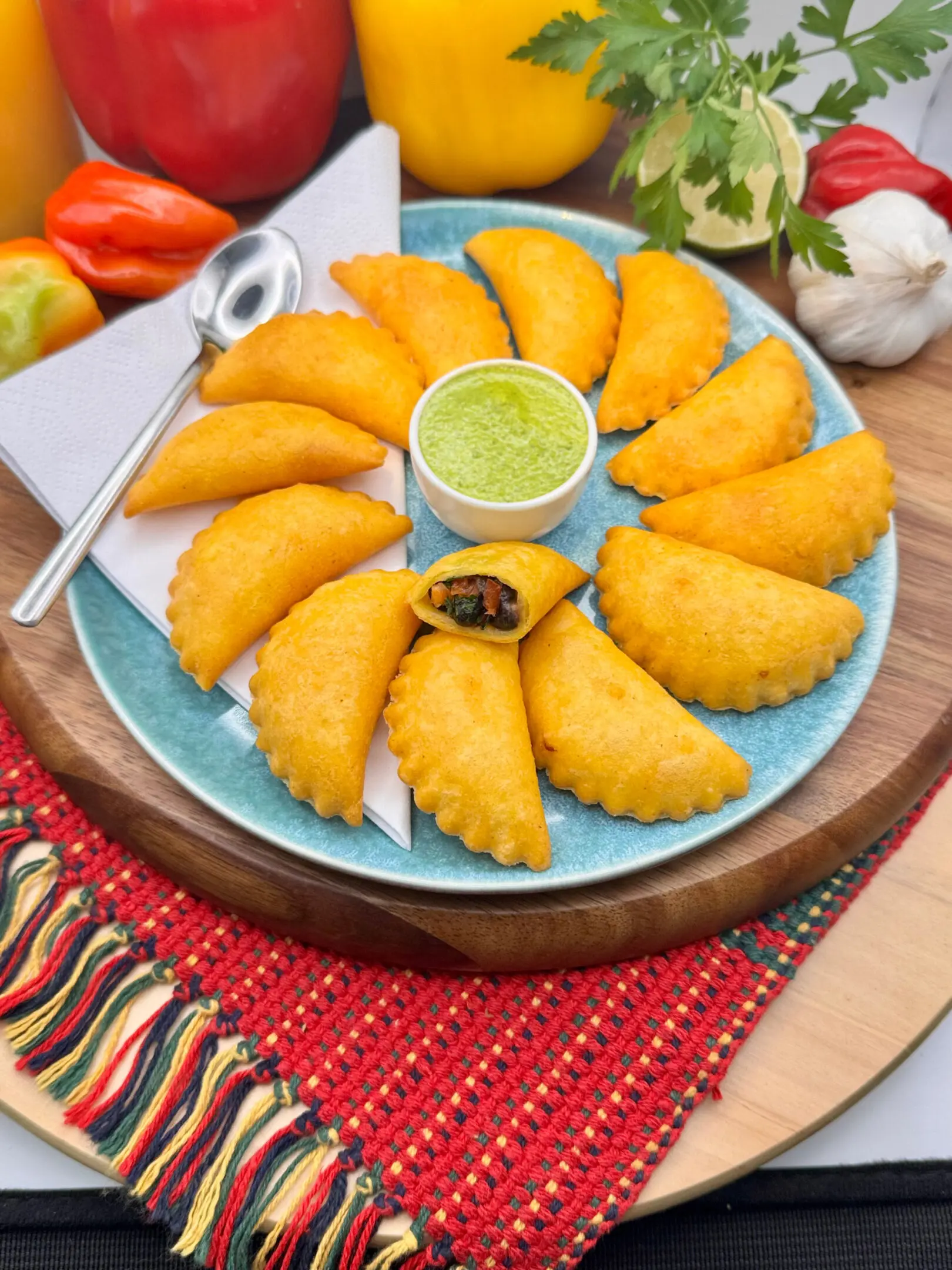
Mini Empanadas – Vegan – Black Beans & Veggies – Pack of 12
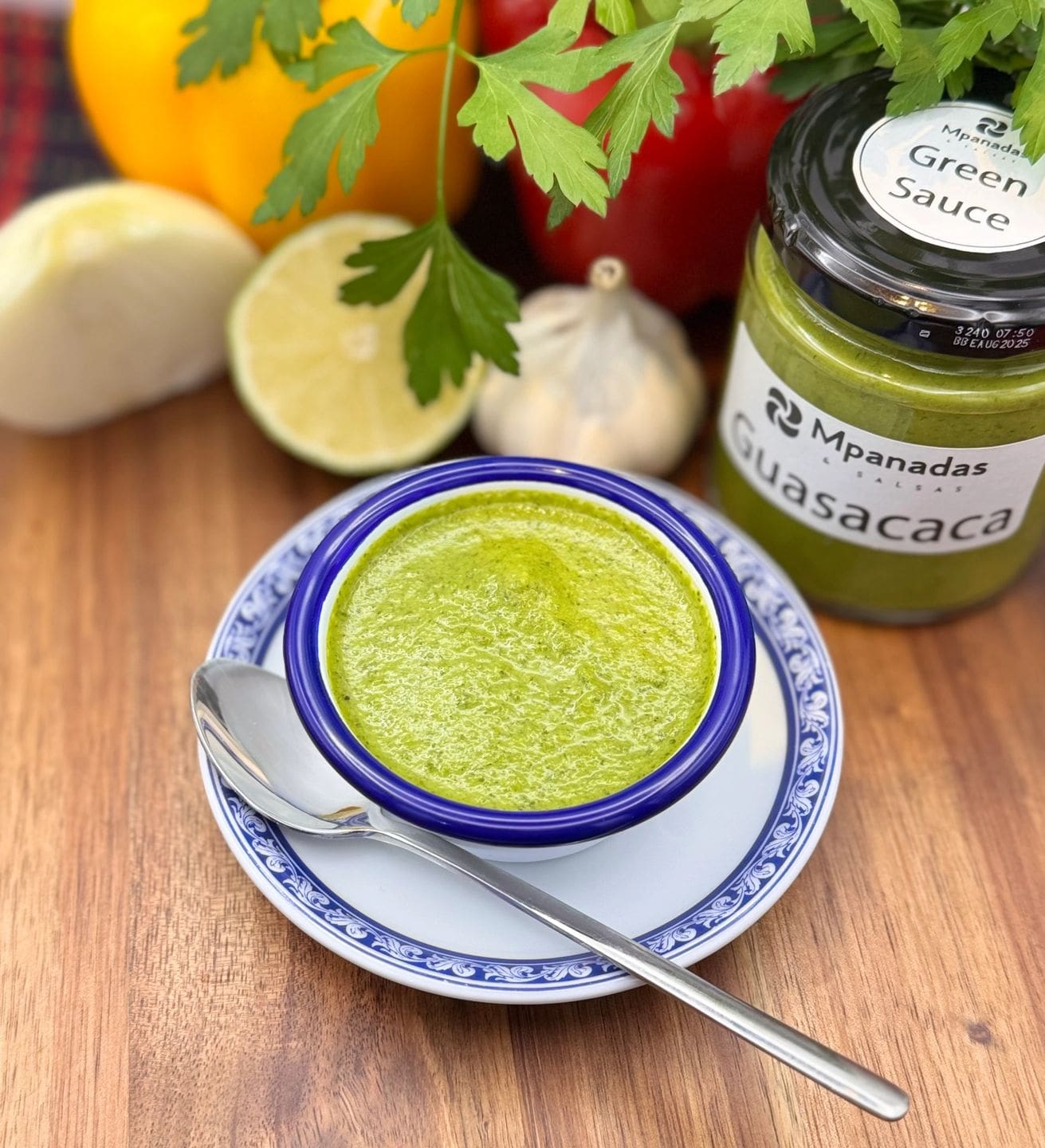
Guasacaca Salsa
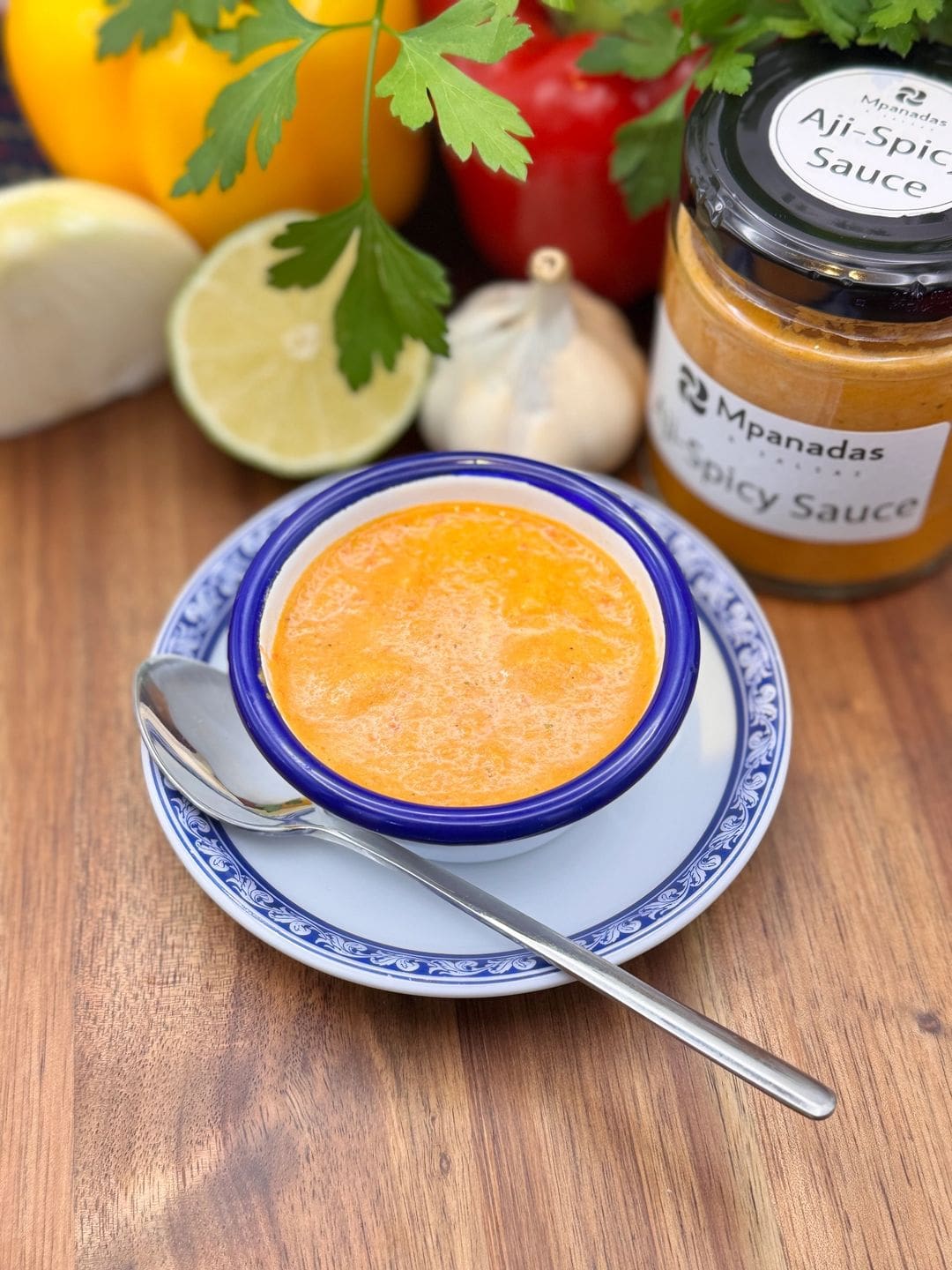
Aji – Spicy Salsa
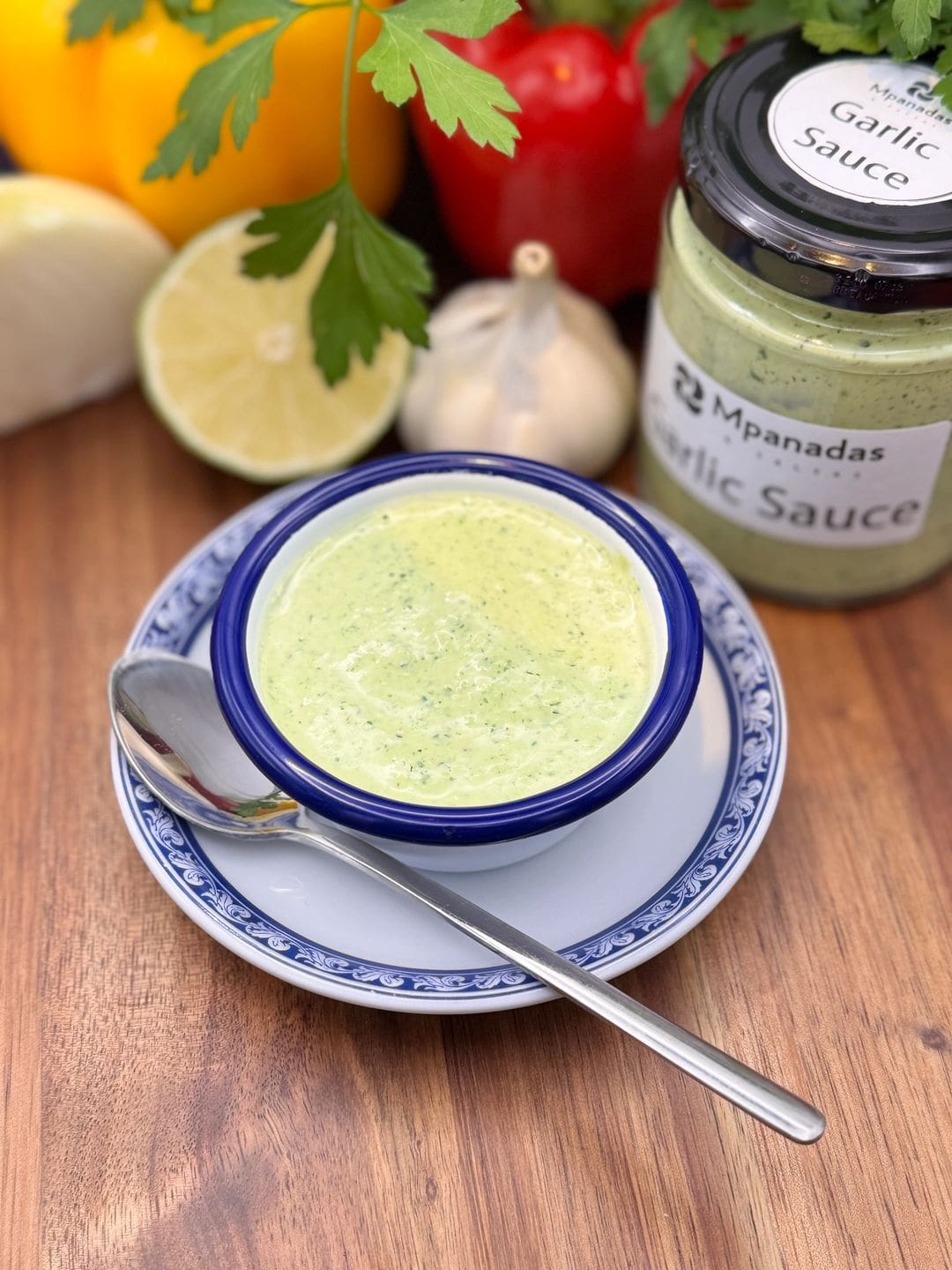
Garlic Salsa
Reach Out To Us For Retail or Wholesale Enquiries
Tasty Reads Worth a Look









About Our Empanadas and Salsas
At Mpanadas & Salsas, every bite tells a story. Born from Libia’s lifelong love of traditional Venezuelan cooking, our empanadas and salsas bring the bold, homegrown flavours of South America to the UK. Passed down through generations and perfected over decades in hospitality, our recipes are rooted in heritage and made by hand with heart. Taste the tradition, because great food should always feel like home.

Empanadas Delivered UK Wide
Mpanadas & Salsas
Authentic Venezuelan frozen empanadas delivered across the UK to homes and restaurants. Our handmade empanadas feature traditional and regional fillings with options that are gluten free, halal, and vegan friendly.
Address: 6 Turnstone Cl, East Tilbury, Tilbury RM18 8FG
Phone: 07572 417492
Website: mpanadas.co.uk
Proudly women-owned and LGBTQ+ friendly. Rated 5.0 by our customers. Open from 8 am daily.