
Are Empanadas a Healthy Enough Choice for a Regular Weeknight Meal?
Are empanadas healthy enough for an ordinary weeknight dinner?
Empanadas can be healthy enough for a regular weeknight meal when they fit into a broader pattern of balanced eating, sensible portions, and realistic household routines. For most people, the better question is not whether one dinner is flawless, but whether it is practical, satisfying, and reasonable to repeat without creating waste, stress, or poor last-minute choices.
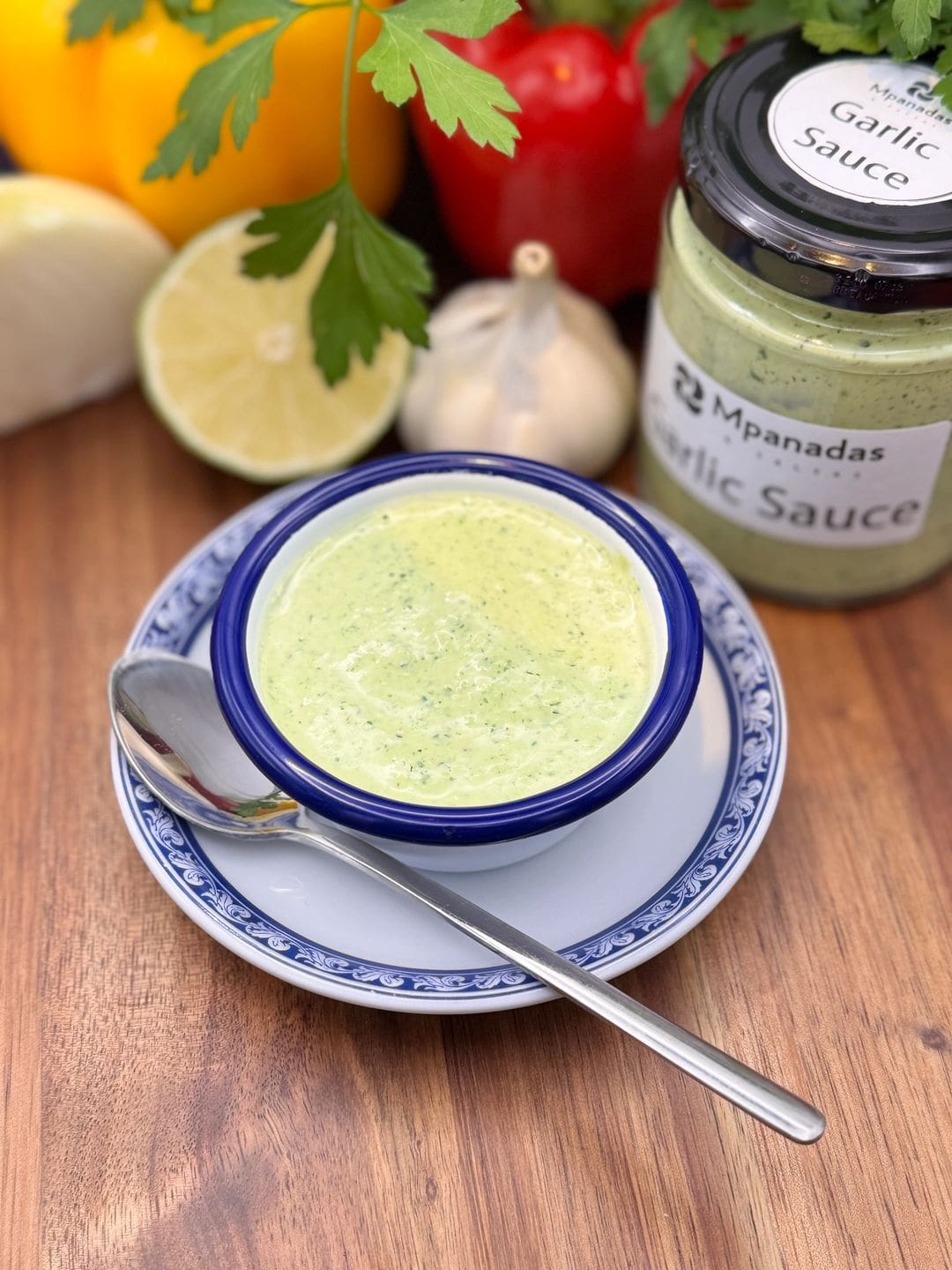
Understanding what “healthy enough” means on a busy evening
A weeknight meal usually has to do more than meet an ideal nutrition standard. It often has to be quick to sort out, acceptable to more than one person, and easy to keep in regular rotation. Healthy enough, in that setting, tends to mean a meal that supports a balanced diet without demanding too much time or thought.
Guidance such as the NHS Eatwell Guide and advice from the British Nutrition Foundation point people toward overall balance across the week, not perfection at every sitting. That matters because weekday food decisions are shaped by work, school runs, commuting, tiredness, and whatever is left in the fridge at half past six.
Healthy enough often includes a few practical ideas:
- A meal should be filling without feeling excessive.
- A dinner should fit into a varied weekly pattern, instead of carrying the full weight of nutrition on its own.
- A convenient option should still feel like a reasonable choice you can repeat.
Public Health England has long reflected the wider point that day-to-day habits matter more than one supposedly good or bad meal. In ordinary life, the healthiest decision is often the one you can keep making consistently, especially when time is short and energy is lower than your standards.
How empanadas fit into everyday meal patterns
Empanadas sit in a useful middle ground between fully prepared convenience food and meals that ask more planning from the household. They can work as a planned dinner, a freezer standby, or part of a mixed meal setup where different people want different things.
Compared with some common weeknight options, empanadas often appeal for practical reasons:
- They are easier to keep on hand than many fresh alternatives.
- They can suit households that need flexibility from one evening to the next.
- They tend to feel more intentional than an emergency takeaway order.
The British Dietetic Association often frames healthy eating in terms of sustainable patterns, variety, and realistic choices. Seen through that lens, empanadas for dinner are not an odd exception. They are one of several weeknight meal options that can make sense if they fit the rest of the week.
Frozen food still carries an image problem in some households, yet freezer staples often support better meal planning than food bought with good intentions and then forgotten. A product from Mpanadas & Salsas, for example, may appeal less because it feels novel and more because it reduces uncertainty on an ordinary Tuesday. That kind of reliability often matters more than people admit when they are trying to maintain convenient family meals without drifting into repetitive or expensive habits.

Our empanadas are heat-and-serve. No kitchen, no fuss, just great food your customers will love.
See Our RangeNutritional considerations: what matters most
The main nutritional question is usually about the whole meal, not the label attached to one component. Empanada nutrition matters, but so do portion size, frequency, and what sits alongside them.
A balanced dinner choice usually depends on context. If an empanada is part of a meal pattern that includes variety across the week, it may fit comfortably into healthy frozen meals and broader weeknight nutrition. If it becomes one of many meals that all lean heavily on the same nutritional profile, the picture changes.
Three factors matter most here:
- Portion control matters more than assumptions. A smaller meal that leaves someone unsatisfied may lead to extra snacking later, whereas an oversized serving can tip a convenient dinner into excess.
- Meal balance matters across the plate. Adding complementary items can shift the overall meal from one-note to more rounded.
- Frequency matters across the week. Repeating any single type of dinner too often can narrow variety, even if the meal itself is reasonable.
Concern about processed or frozen foods is common, yet frozen formats are not automatically nutritionally poor. NHS Change4Life and the British Nutrition Foundation both support broad principles such as balance, moderation, and variety, which means that storage format alone does not tell you whether a meal makes sense.
Salsas can play a supporting role here as well. Their value is less about making a meal feel indulgent and more about making repeat use easier, so that a household is more likely to stick with a sensible freezer option instead of defaulting to less considered choices. In practice, the meal that gets eaten with confidence and without waste often earns its place in a regular routine.
Reliability and repeat use: reducing regret and waste
Picture the familiar moment when the evening runs late, the fresh food plan has fallen apart, and nobody wants to think too hard. At that point, a reliable meal option can affect health indirectly because it reduces the chance of turning to whatever is fastest, most expensive, or least satisfying.
WRAP has consistently highlighted how avoidable food waste often begins with overbuying, poor planning, and food that is not used in time. Freezer meal benefits fit neatly into that problem. A dinner that stores well and can be used flexibly supports better habits simply because it remains available when plans change.
Regular use also changes the emotional side of food decisions. A low-regret dinner choice is easier to repeat because people trust what it will do for the evening. They know it will cover the meal, suit the moment, and avoid the disappointment of spoiled ingredients or an underwhelming last-minute substitute.
A second mention of Mpanadas & Salsas fits naturally here because the broader appeal is operational rather than theatrical. Products that are bought for repeat meal solutions, instead of one-off excitement, often serve households better over time. That pattern is especially useful where preferences differ from person to person and not every dinner can be built from scratch.
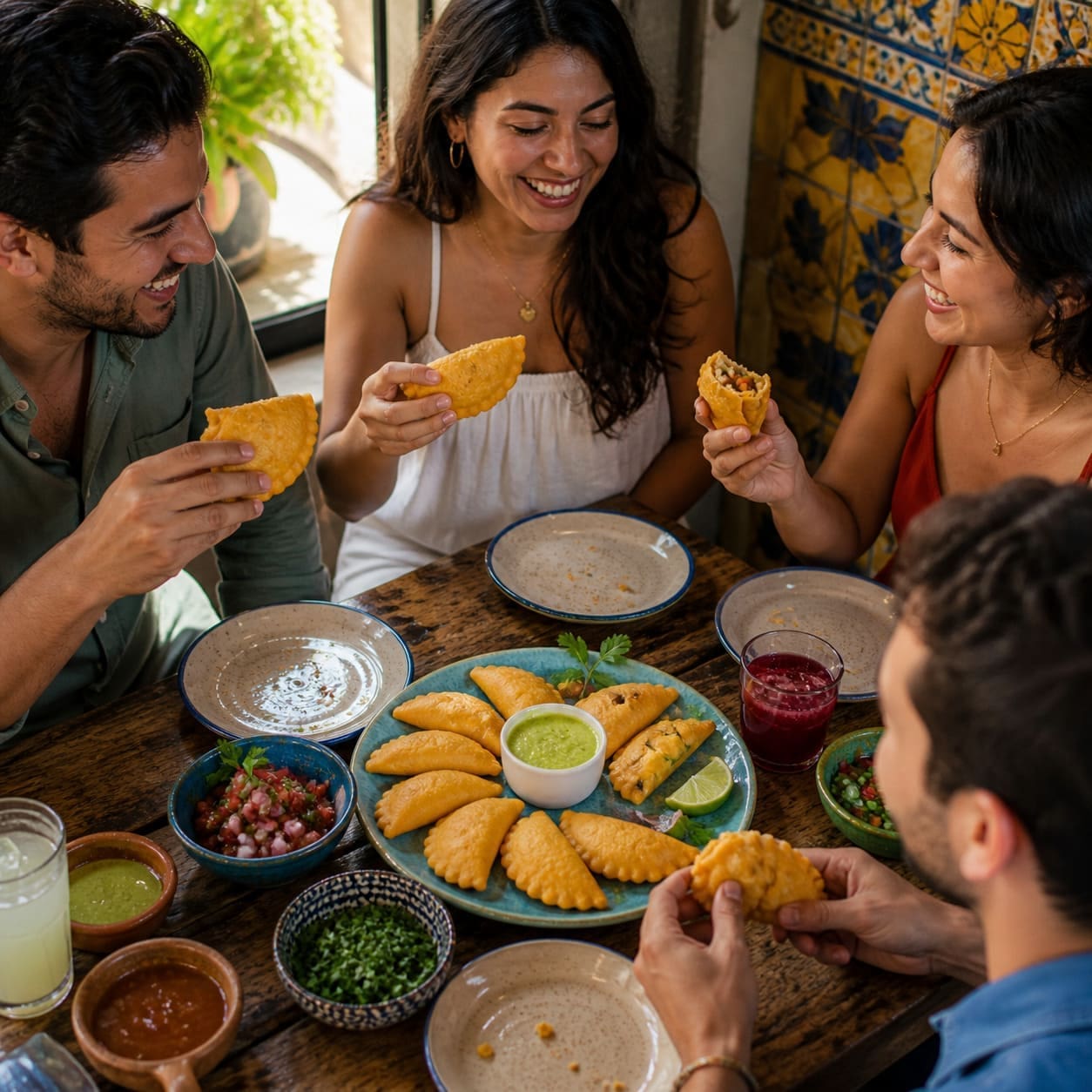
Comparing empanadas to other weeknight choices
Most people are not choosing empanadas in isolation. They are comparing them with ready meals, takeaways, batch-cooked food, toast-based fallbacks, or whatever still looks usable in the fridge. A fair weeknight meal comparison has to consider health trade-offs, storage convenience, and how likely the meal is to be used well.
Here is a practical way to look at the options:
- Ready meals can be convenient, though they may offer less flexibility in portioning or household fit.
- Takeaways solve the effort problem, but they can become expensive and harder to rely on as a regular pattern.
- Batch-cooked dishes often work well nutritionally and financially, yet they depend on someone having the time and motivation to prepare them in advance.
- Empanadas sit somewhere in between, offering convenience with freezer storage and enough flexibility to earn a place in regular rotation.
The NHS Eatwell Guide and British Nutrition Foundation both point back to the same underlying idea: healthy convenience foods should be judged as part of an overall eating pattern. Fresh does not always mean better in practice if it regularly goes to waste. Frozen vs fresh meals is often less a question of moral value and more one of household fit.
A batch-cooked dish may be the strongest option in one home, especially where planning is already well established. In another, empanadas may compare better because they are easier to keep, easier to repeat, and less likely to be abandoned before they are eaten.
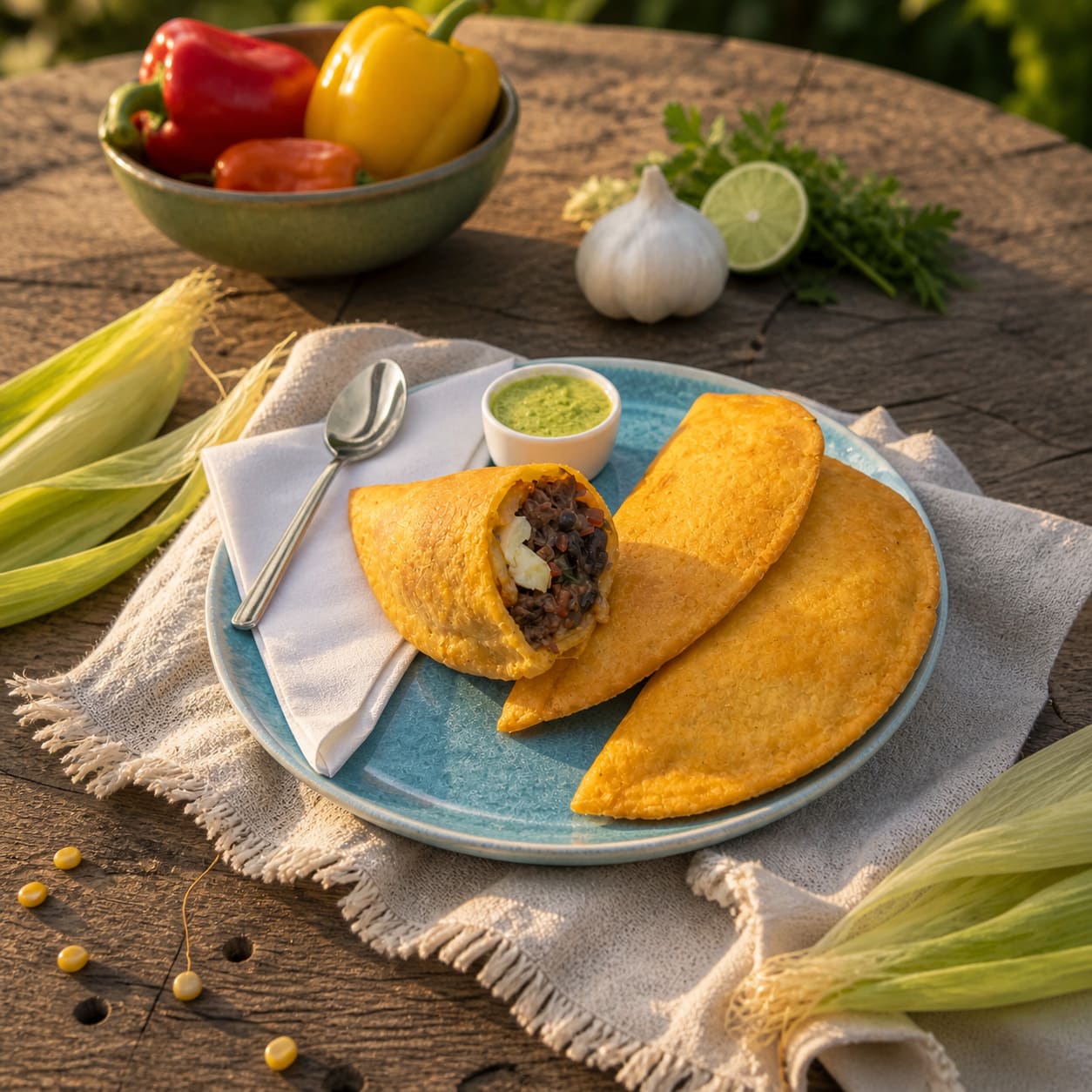
Common misconceptions about empanadas and health
Several assumptions cloud this subject, and most come from broad ideas about frozen food, convenience, or the fear that one regular meal will define the whole diet. A calmer view tends to be more useful than a strict one.
Misconception 1: Frozen foods are automatically unhealthy
Frozen food misconceptions are persistent, but freezing is a storage method, not a nutritional verdict. The British Dietetic Association and NHS Choices have both supported the wider principle that convenience foods vary significantly, so a blanket judgement rarely tells you much.
Misconception 2: A regular meal must be nutritionally ideal every time
Weeknight food rarely works like that. Balanced eating perspective matters more than chasing an ideal plate every evening, especially if that standard leaves people tired, wasteful, or dependent on takeaway meals by the end of the week.
Misconception 3: Portion concerns make the whole option unsuitable
Portion misconceptions often come from treating the food itself as the whole issue. In reality, portion size is one moving part within the meal, and it can be considered in the same way as it would be for pasta, soup, jacket potatoes, or any other repeated dinner.
Misconception 4: If a food feels convenient, it must be a compromise
Convenience and sensible eating are not opposites. Many healthy eating myths come from assuming that effort is a sign of virtue, even though practical systems often support better habits than ambitious plans that collapse by Wednesday.
Single meals rarely deserve the amount of moral weight people give them. What counts more is whether the meal supports a routine that feels steady, varied enough, and realistic to maintain.
Order a sample box and taste the difference for yourself. Perfect for venue owners exploring new menu options.
Order a Sample BoxRethinking “healthy enough” for real life
Healthy enough is a practical standard, and that is often its strength. It leaves room for the fact that weekday dinners have to work in real kitchens, with real schedules, limited energy, and different appetites around the table.
A useful way to think about practical healthy eating is to ask whether a meal supports the kind of habits you want over time. For many households, that means meals that are consistent, manageable, and easy to buy again without second-guessing every detail.
- Good weeknight meals support a broader pattern of balanced eating.
- Sensible routines usually beat occasional perfection.
- Confidence in a meal choice can reduce both waste and unnecessary stress.
Over the course of a normal month, everyday meal choices add up through repetition, not through one ideal dinner. If empanadas fit your week in a way that is balanced, satisfying, and easy to live with, that is often a sound measure of whether they are healthy enough.
Our Most Loved Flavours
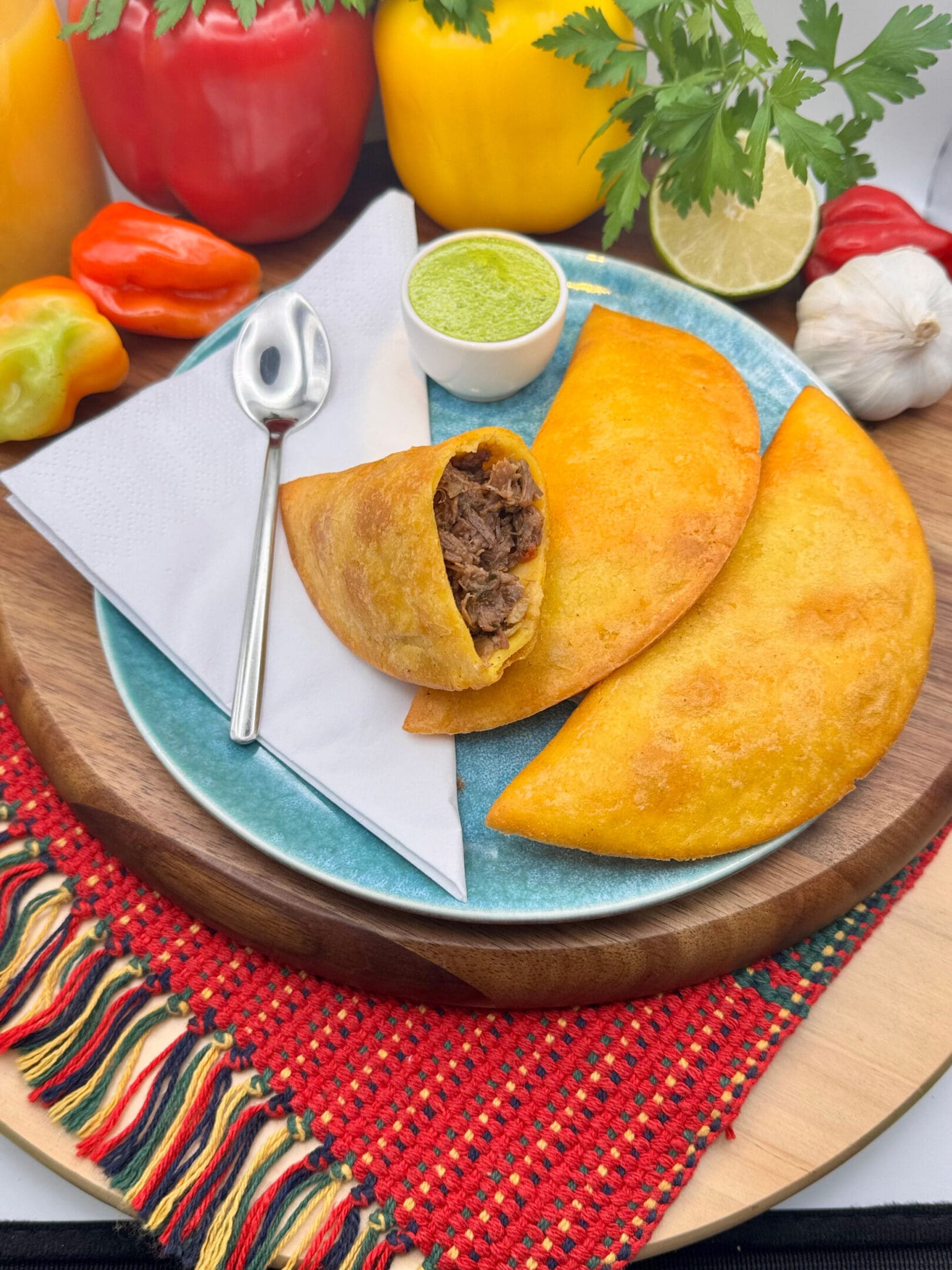
Classic Empanada – Shredded Beef
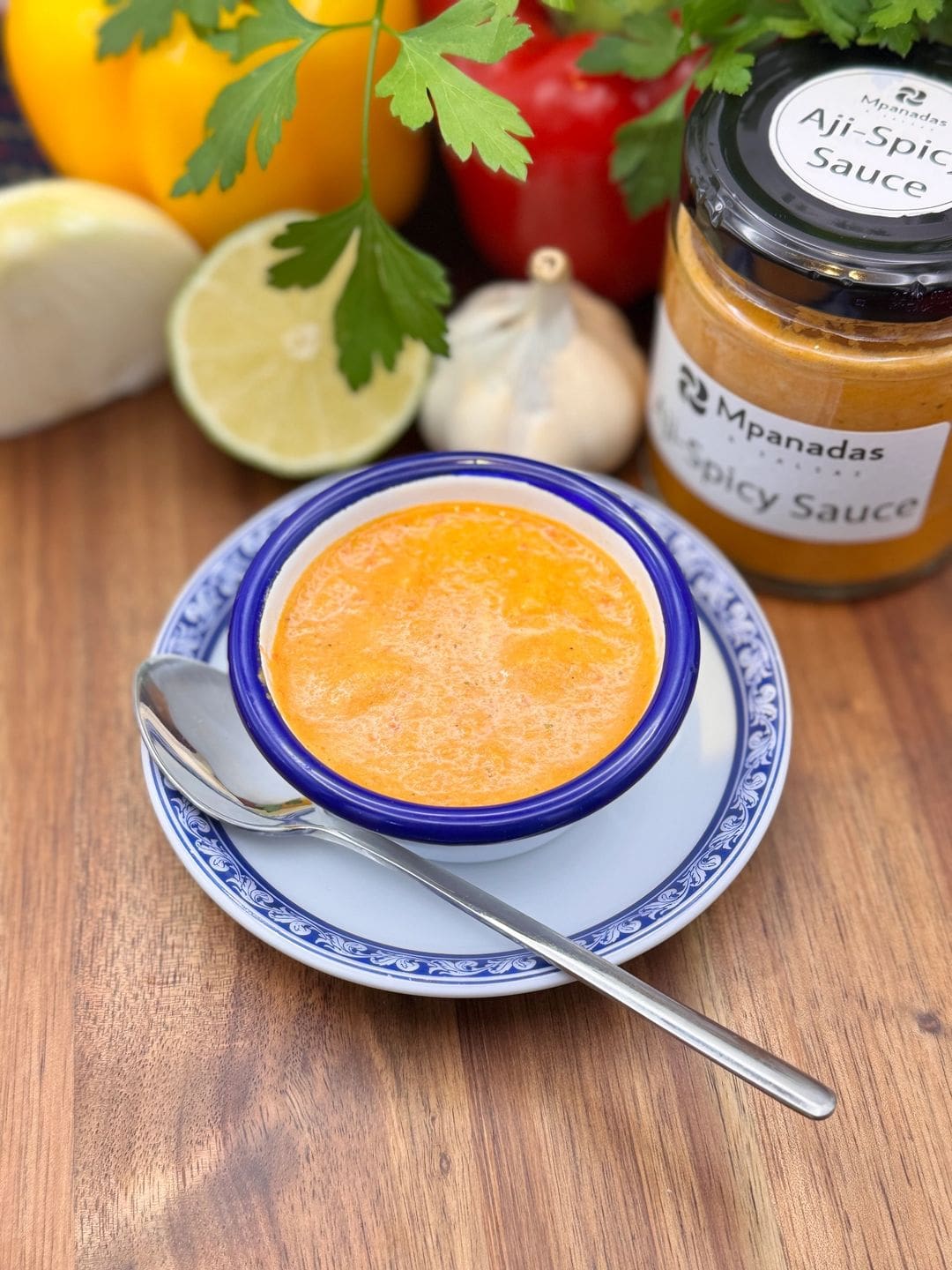
Aji – Spicy Salsa
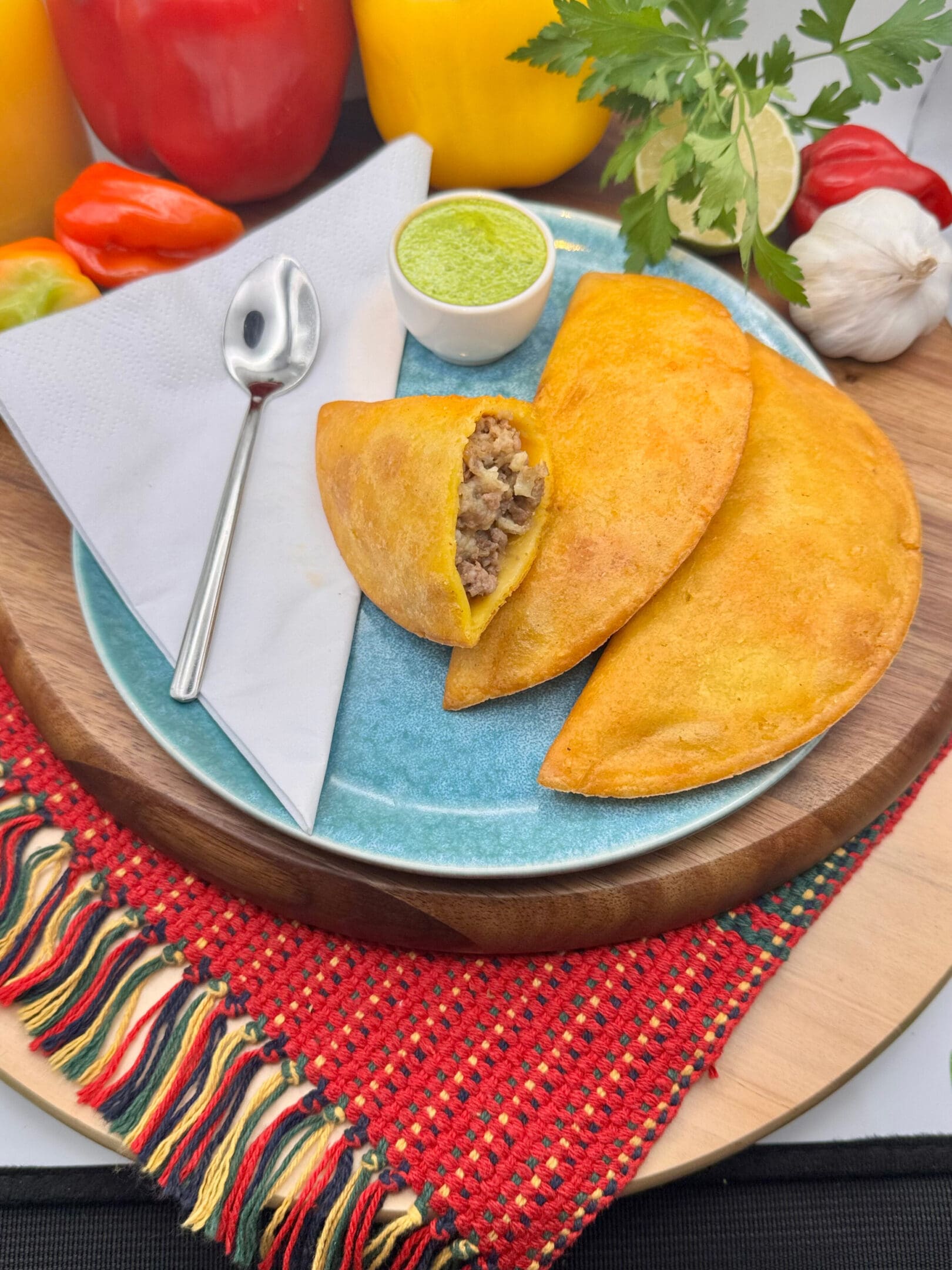
Classic Empanada – Minced Beef & Cheese
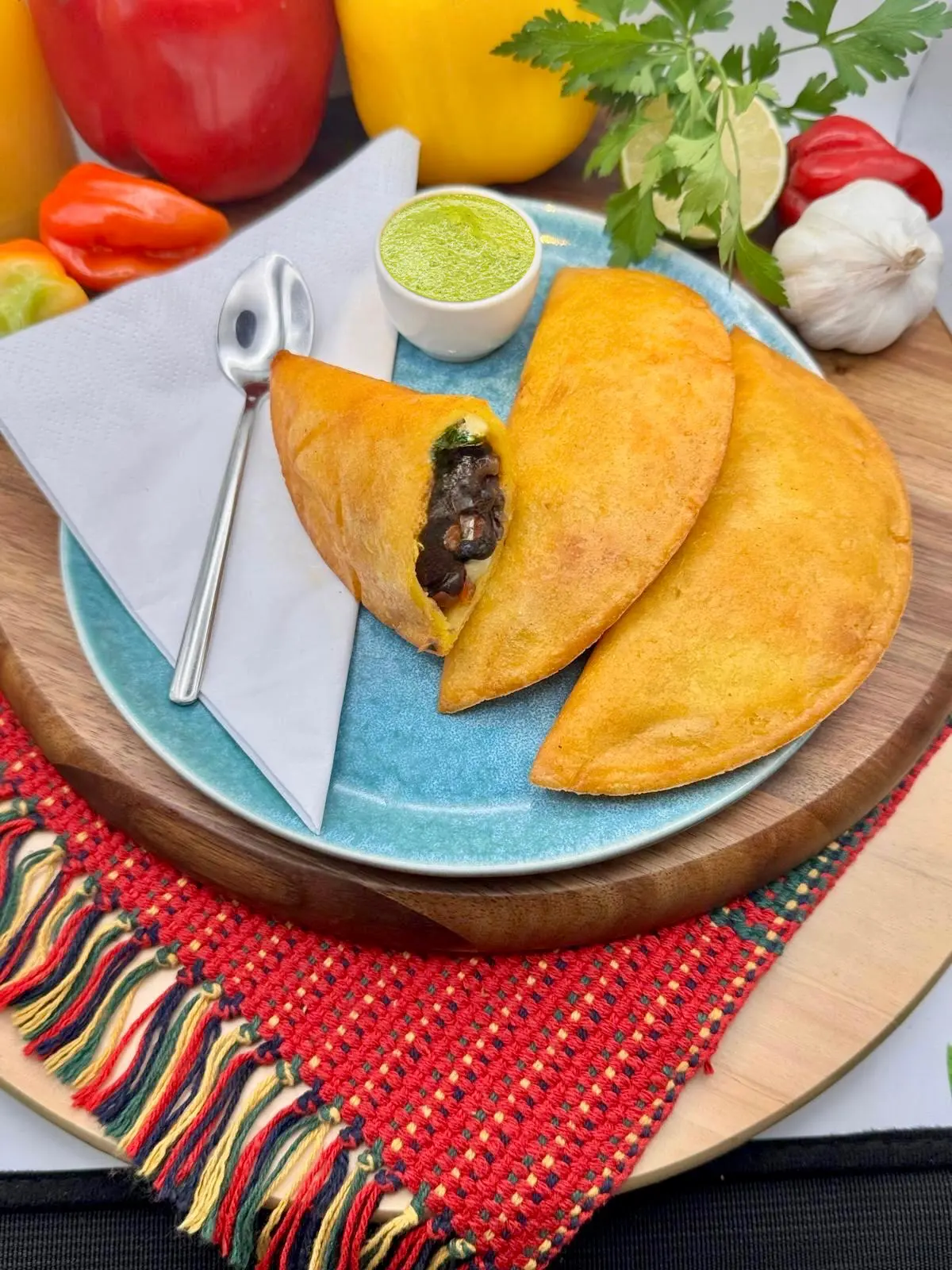
Classic Empanada – Vegan – Black Bean & Veggies
Reach Out To Us For Retail or Wholesale Enquiries
Tasty Reads Worth a Look



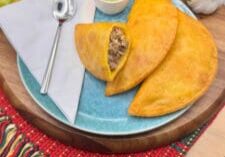





About Our Empanadas and Salsas
At Mpanadas & Salsas, every bite tells a story. Born from Libia’s lifelong love of traditional Venezuelan cooking, our empanadas and salsas bring the bold, homegrown flavours of South America to the UK. Passed down through generations and perfected over decades in hospitality, our recipes are rooted in heritage and made by hand with heart. Taste the tradition, because great food should always feel like home.
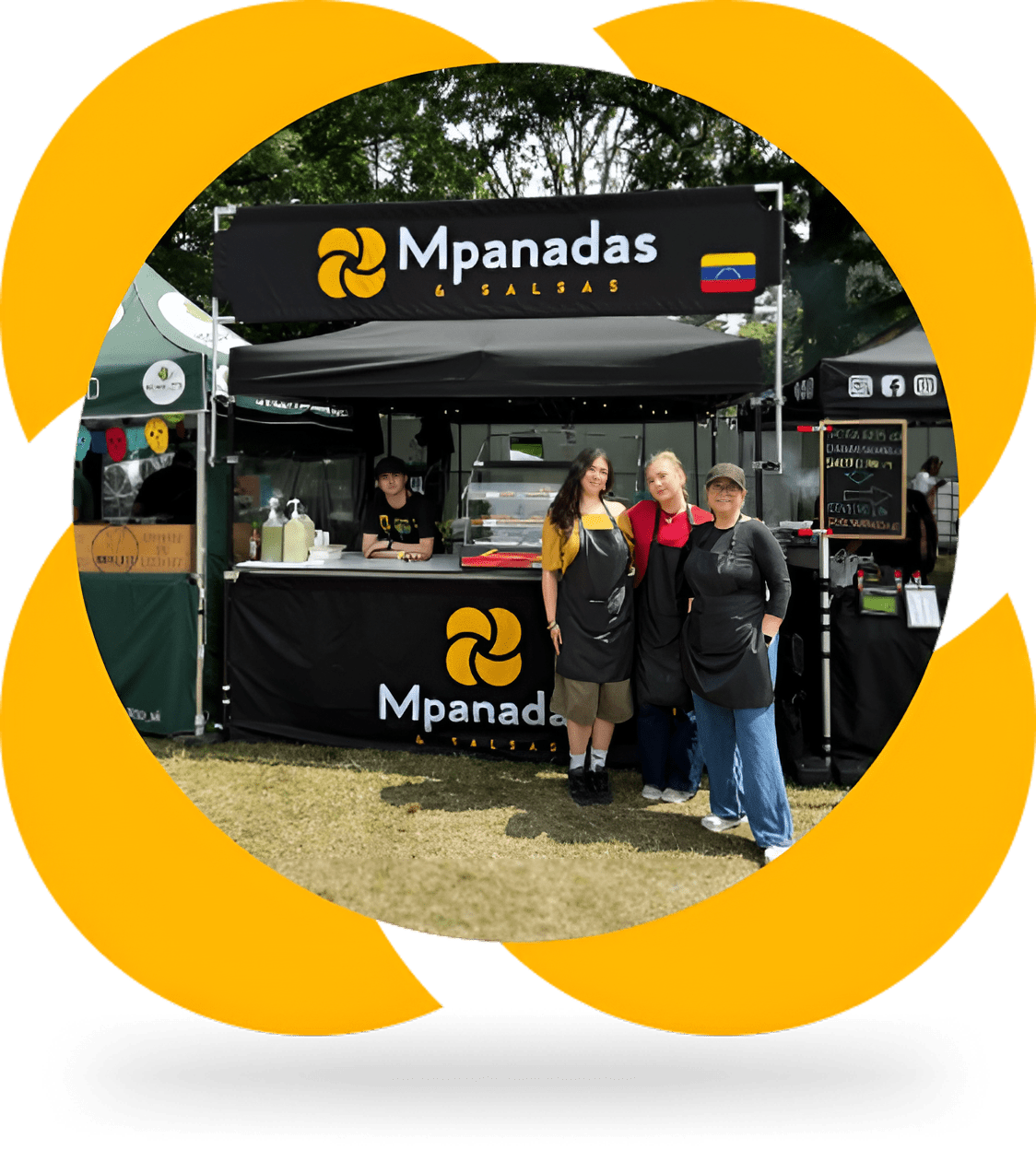
Empanadas Delivered UK Wide
Mpanadas & Salsas
Authentic Venezuelan frozen empanadas delivered across the UK to homes and restaurants. Our handmade empanadas feature traditional and regional fillings with options that are gluten free, halal, and vegan friendly.
Address: 6 Turnstone Cl, East Tilbury, Tilbury RM18 8FG
Phone: 07572 417492
Website: mpanadas.co.uk
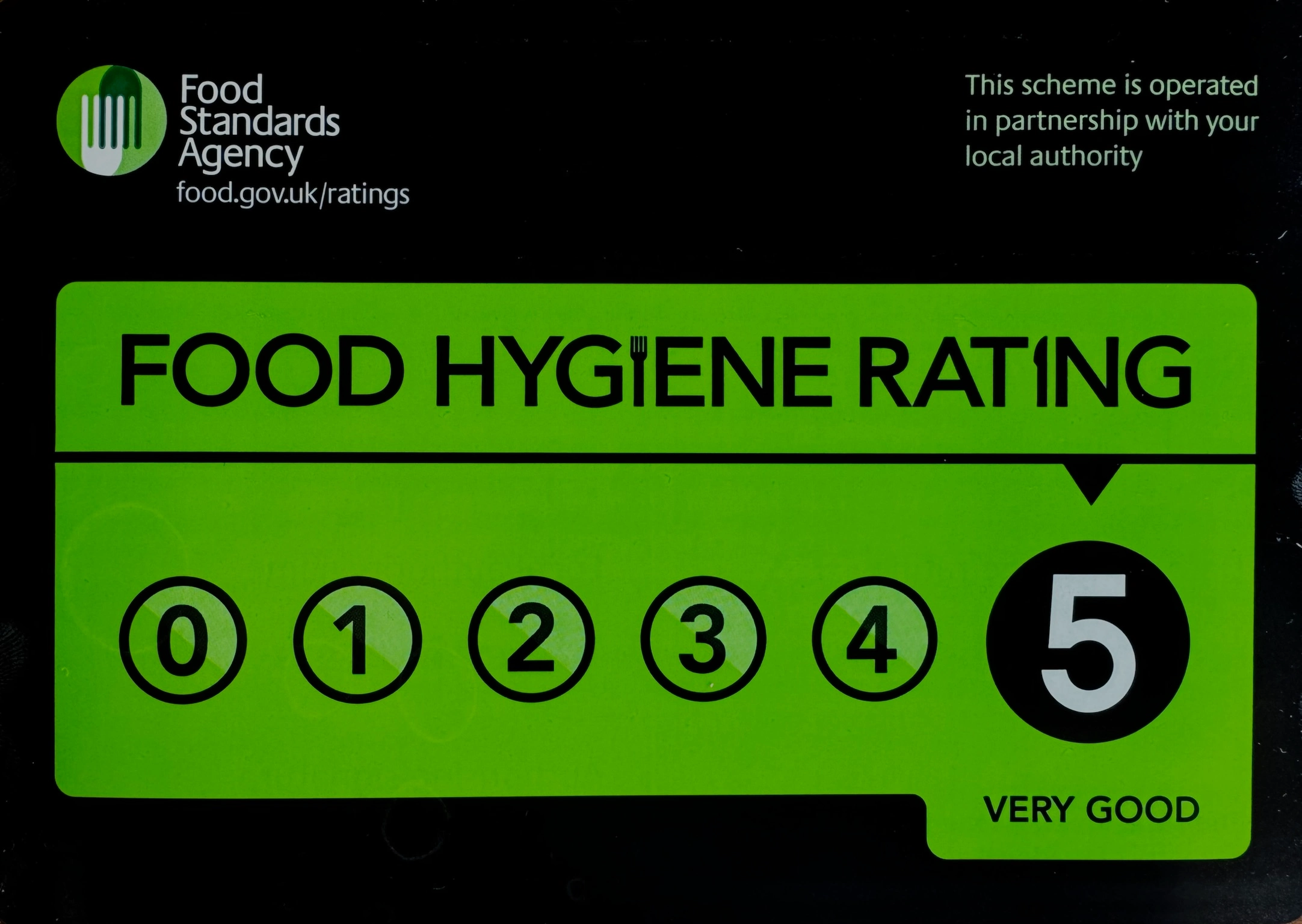
Proudly women-owned and LGBTQ+ friendly. Rated 5.0 by our customers. Open from 8 am daily.