
How Much Freezer Space Do You Actually Need to Stock Empanadas in a Small Kitchen?
How much freezer space is enough for empanadas in a small kitchen?
Most small kitchens need less freezer space for empanadas than the appliance label suggests, but the answer depends on usable storage rather than total stated capacity. A compact freezer can usually handle a sensible stock if the layout is efficient, the packs fit cleanly, and you buy in line with how often your household actually uses them.
Understanding freezer space: what counts and what does not
Freezer space sounds straightforward until you try to fit real food into it. The number on the appliance label tells you one thing, but the day-to-day reality is shaped by drawers, shelves, corners, frost, and the awkward mix of items already inside.
A small kitchen freezer rarely offers its full quoted freezer storage capacity as usable freezer space. Consumer guidance and appliance labelling can help with comparison, yet practical freezer fit depends on shape as much as size.
- Gross capacity is the internal volume before shelves, drawers, and fittings get in the way.
- Net capacity is closer to what appliance labelling reflects, but even that does not guarantee easy storage.
- Usable storage depends on shelf configuration, compartment depth, and whether packs stack neatly.
Litres are useful for comparing models from freezer manufacturers, although litres do not tell you whether a rectangular pack will sit flat, whether the drawer front blocks taller items, or whether frost has narrowed the gap at the back. A freezer compartment size that looks generous on paper can feel much tighter once irregular bags, half-used vegetables, and ice trays are already competing for space.
In a small kitchen, that mismatch matters more. One badly shaped item can waste a surprising amount of room, especially in under-counter appliances where every shelf and drawer has to earn its place.
Assessing your empanada needs: quantity, frequency, and flexibility
A household that eats empanadas once every few weeks needs a very different amount of space from one that treats them as a regular fallback meal. The simplest way to estimate empanada storage needs is to look at use over time, not at a single large order.
Try this quick framework before deciding how many empanadas to buy:
- Count how many people in the household are likely to eat them with any regularity.
- Estimate how often they are likely to be used in a normal month.
- Decide whether you want a small backup supply or enough stock for repeat use without frequent reordering.
- Leave room for variety if different preferences matter in your home.
That approach is closer to household food planning than guesswork. It also fits well with the general advice behind UK food waste reduction initiatives, which tends to favour realistic buying habits over ambitious stockpiling.
Mixed households usually need flexibility more than volume. Some readers want enough on hand for a dependable option without filling the whole freezer, whereas others want a broader choice that can cover different tastes. In both cases, freezer meal planning works better when you think in cycles. How quickly will the stock be used, and how soon will you want to replace it?
Bulk storage can make sense if repeat use is genuine. By contrast, buying a large quantity "just in case" often creates the exact problem people hoped to avoid, namely clutter, forgotten packs, and food that sits too long because it is buried behind everyday staples.
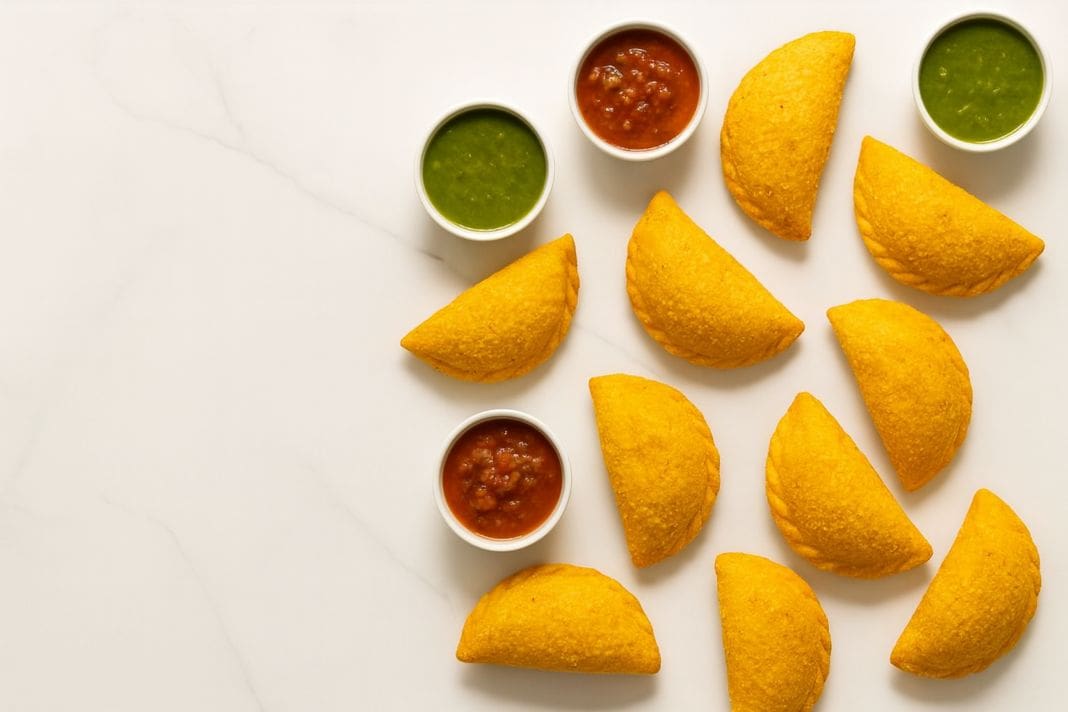
Measuring and maximising freezer space in a small kitchen
Small freezer storage works best when you measure what you can actually use, not what you think ought to fit. A tape measure and five minutes of attention usually give a better answer than any product page.
Start with the interior width, depth, and height of each drawer or shelf. Then subtract the space lost to drawer curves, vents, thick fronts, and areas blocked by frost. If a compartment narrows at the back, measure the narrowest point, because that is the dimension that determines whether packs sit properly.
Once you know the real shape of the space, efficient freezer use becomes much easier. Flat, stackable items usually outperform loose bags or bulky tubs in a small kitchen freezer because they create cleaner layers and leave fewer dead gaps.
For anyone trying to increase freezer space, a few practical habits usually make the biggest difference:
- Group similar frozen foods together so that one section is opened and reshuffled less often.
- Stack flatter packs vertically only if they stay easy to identify and remove.
- Keep frequently used items at the front to avoid constant digging.
- Avoid overfilling drawers so tightly that packs catch, tilt, or tear.
- Use simple containers for loose small items if they are wasting corners.
Awkward shapes are often the real issue. A shallow top drawer may suit flatter packs well, while a more detailed lower drawer may suit bulkier staples. UK home appliance retailers often show internal layouts in product images, and those layouts reveal why two freezers with similar stated capacity can behave very differently in practice.
Common pitfalls
One common mistake is measuring the opening rather than the drawer interior. Another is assuming that all packs can be stacked to the full height without affecting access. A third is ignoring the value of empty headroom, which gives you room to move items around instead of unpacking half the drawer to reach one thing.
That small margin of manoeuvre often matters more than squeezing in one extra pack.
Packaging matters: how frozen empanadas are designed for storage
Packaging has a direct effect on whether frozen food feels manageable or annoying. In a compact freezer, shape, stackability, and how easily a pack fits back into place after opening all affect space efficiency.
A freezer-friendly packaging format usually supports repeat use in three ways. It takes up predictable space, it stores neatly with other items, and it reduces the loose-item clutter that builds up after the first use. That is where packaging design does real work in everyday kitchens.
Feature comparison:
- Flat or compact pack: easier to stack and easier to place in shallow drawers
- Bulky or uneven pack: more likely to waste side space and create unstable piles
- Resealable or tidy repeat-use format: simpler to return to the freezer without loose contents
- Loose inner items with poor outer structure: more likely to create clutter after opening
Food packaging standards shape the baseline for safety and storage, but practical usability comes from how a pack behaves in real kitchens. Mpanadas & Salsas, for example, presents frozen empanadas in a way that supports repeat use and predictable storage rather than one-off novelty buying.
That matters because portion packs and stackable frozen food formats reduce friction. If the pack goes back into the freezer cleanly and occupies roughly the same footprint each time, the whole freezer stays easier to manage over several weeks.
The trade-offs: what you might need to move or sacrifice
Making room in the freezer sometimes means making choices you have been postponing. Small kitchens do not usually have spare capacity sitting quietly in the background, so adding a regular frozen item often requires a bit of reprioritising.
Think in terms of what earns its space through repeat use. A half-forgotten bag that has been moved from corner to corner for months does not serve the same purpose as a dependable frozen option that gets used and replaced with some rhythm. UK household food patterns vary, yet most freezers contain at least a few items that stay out of habit rather than need.
A simple keep or replace mindset can help:
Keep:
- Items used weekly or monthly with clear intent
- Staples that fit the household's actual routine
- Frozen foods stored in shapes that use space well
Replace or reduce:
- Duplicates bought without a plan
- Large irregular items that never seem to get used
- Old leftovers with uncertain purpose
Some trade-offs are temporary. You might clear room for a fortnight and then reset once other items are used up. Others are longer term, especially if you decide that one reliable freezer staple deserves a regular place. The aim is not to strip the freezer back to bare efficiency. The aim is to balance convenience, variety, and the reality of the space you have, much like choosing which books stay on a short shelf and which ones belong elsewhere.
Avoiding common pitfalls: freezer burn, waste, and overbuying
Most problems with frozen food come from a few familiar habits rather than from the food itself. People buy too much, lose track of what is inside, or store items in a way that exposes them to air and long periods of neglect.
Common pitfalls include:
- overbuying frozen foods without a realistic use pattern
- forgetting older packs at the back
- allowing opened items to become loose or poorly sealed
- filling the freezer so tightly that nothing is visible
- misjudging how much fits after a standard shop
Food Standards Agency guidance and UK waste reduction advice both point in the same general direction. Good freezer storage depends on order, visibility, and sensible rotation.
Preventative steps are usually straightforward.
- Label opened packs with the date if the original marking becomes hard to see.
- Keep newer items behind older ones so that frozen food rotation happens naturally.
- Leave enough space to remove one item without disrupting the entire drawer.
- Group similar foods together so that stock levels are easier to judge at a glance.
- Watch for frost build-up, because heavy ice reduces space and can affect quality.
Freezer burn is often a storage issue rather than a sign that frozen food is inherently unreliable. Exposure to air, damaged packaging, or very long storage periods can all contribute. Once food becomes hard to identify or awkward to access, waste becomes more likely simply because it stops being part of normal decision-making.
Visibility matters here. If you can see what you have, you are far less likely to buy duplicates or leave a pack untouched for months.
Looking ahead: freezer space as an ongoing decision, not a one-off
Freezer planning changes with household routines. A period of frequent use may be followed by a quieter month, and a stock level that feels sensible in one season can feel excessive later on.
Ongoing freezer planning works best when you allow for adjustment instead of trying to solve everything in a single purchase. Flexible freezer storage is less about getting the perfect amount once and more about noticing patterns. Which items disappear first, which ones linger, and which packs fit your freezer without constant rearranging?
A few shifts commonly change future freezer needs:
- another person starts eating from the same supply
- shopping becomes less frequent for a while
- other staples take up more room than usual
That is why repeat purchase confidence usually grows over time. You learn what your freezer can hold comfortably, what your household actually uses, and where the limit sits between useful stock and clutter. In a small kitchen, that kind of adjustment is normal, and it is often the difference between a freezer that works for you and one that feels permanently overstuffed.
Our Most Loved Flavours
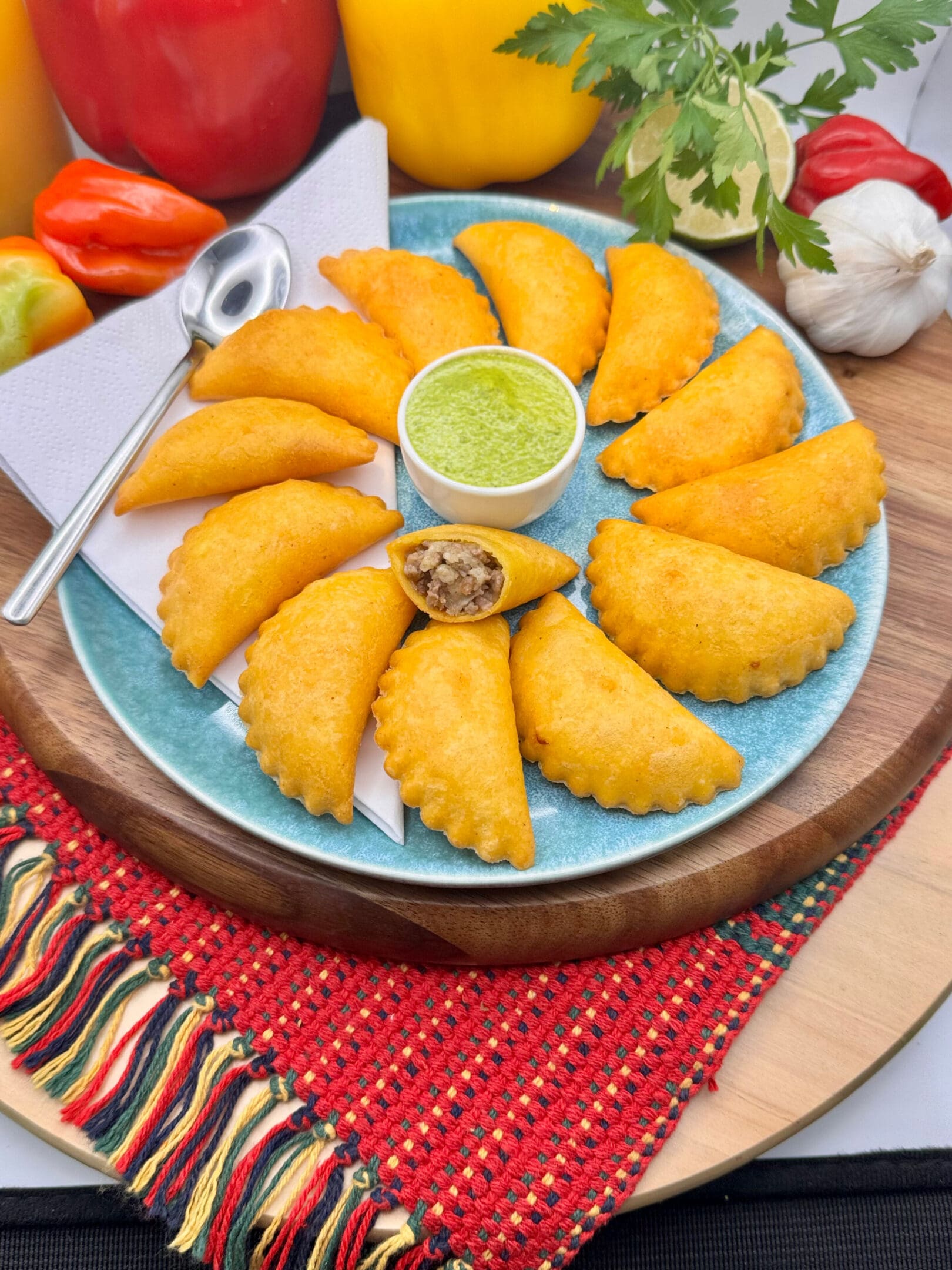
Mini Empanadas – Minced Beef & Cheese – Pack of 12
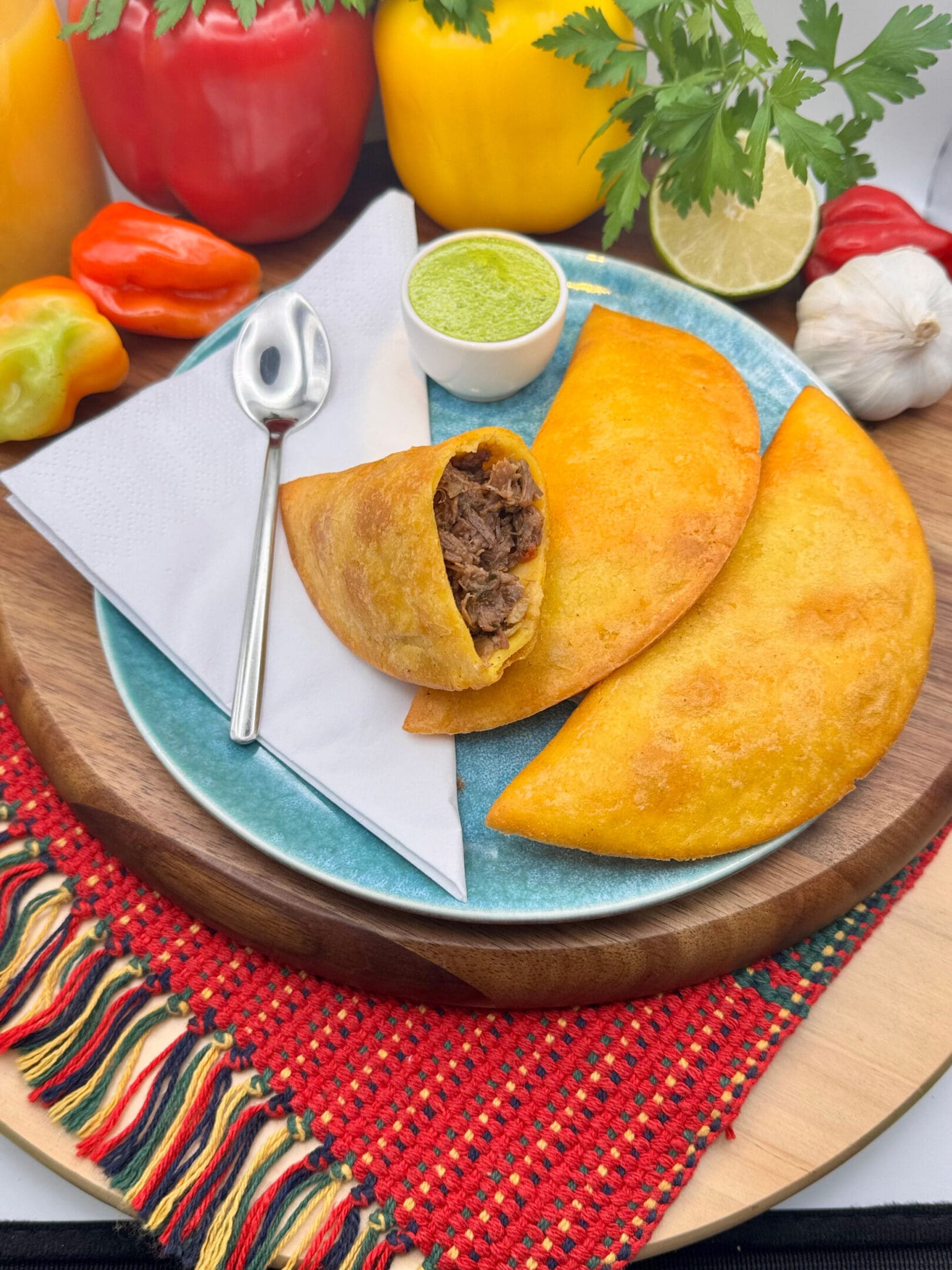
Classic Empanada – Shredded Beef
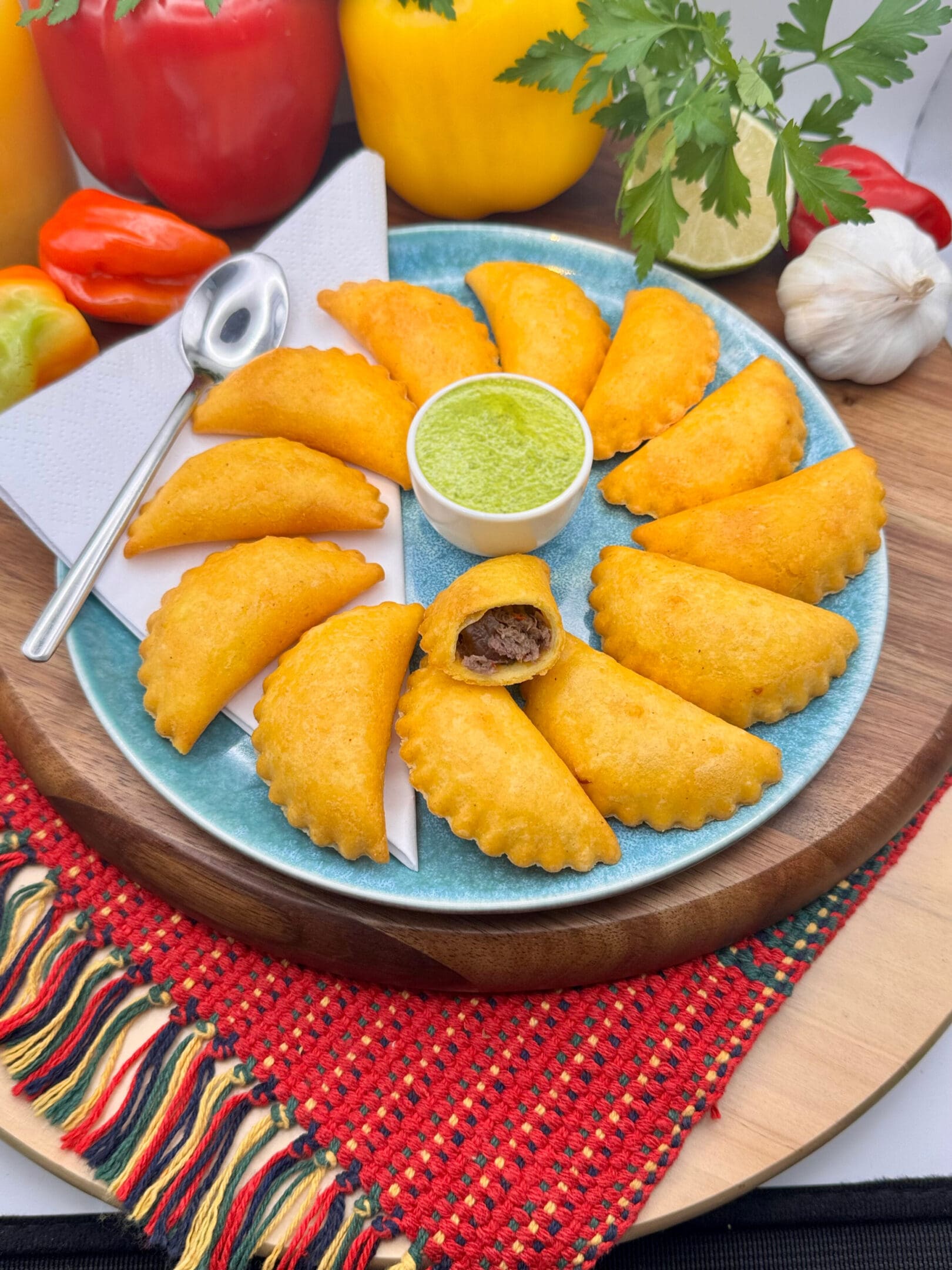
Mini Empanadas – Shredded Beef – Pack of 12
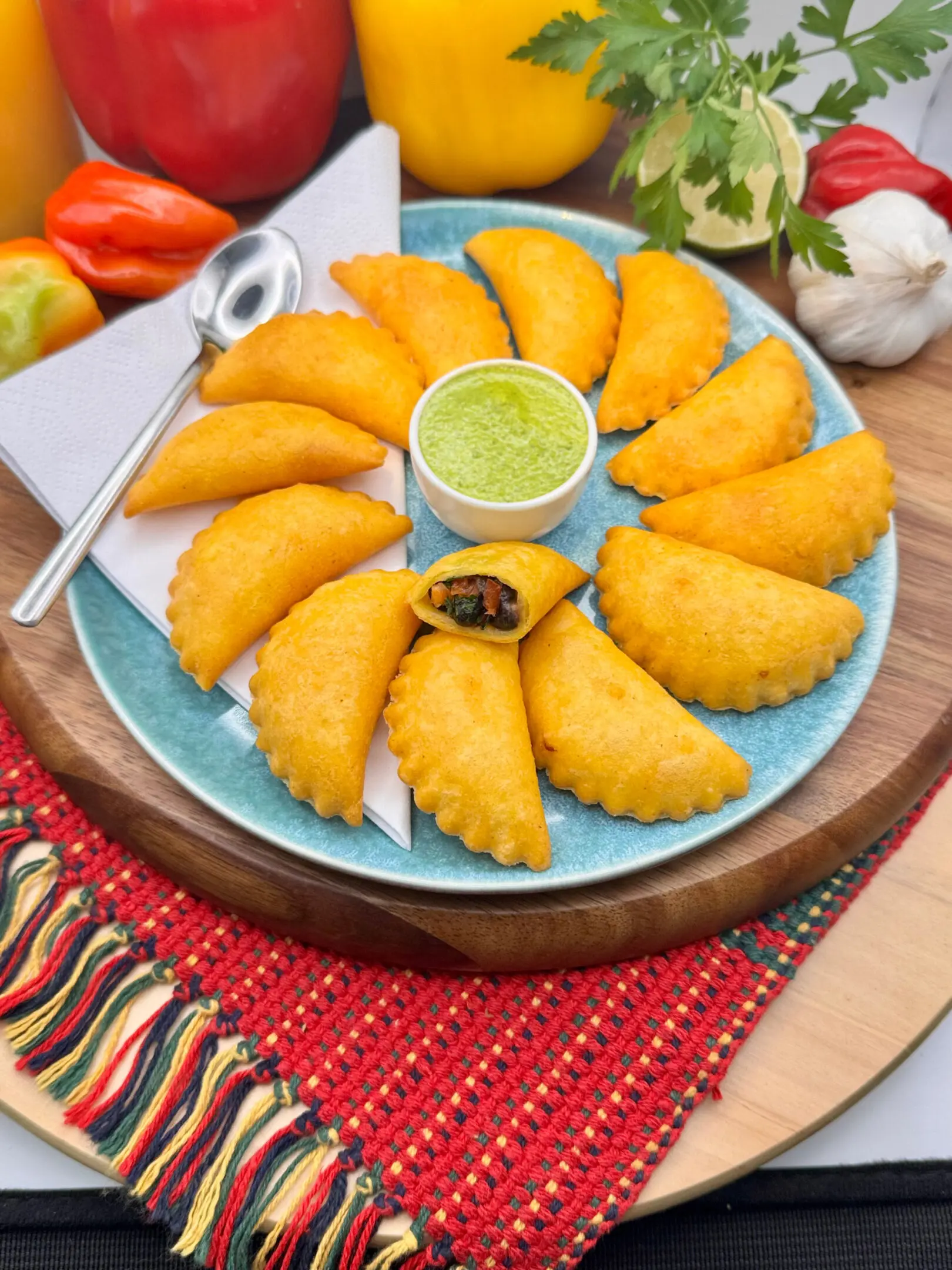
Mini Empanadas – Vegan – Black Beans & Veggies – Pack of 12
Reach Out To Us For Retail or Wholesale Enquiries
Tasty Reads Worth a Look






About Our Empanadas and Salsas
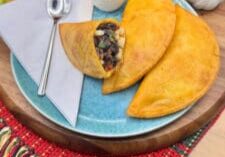
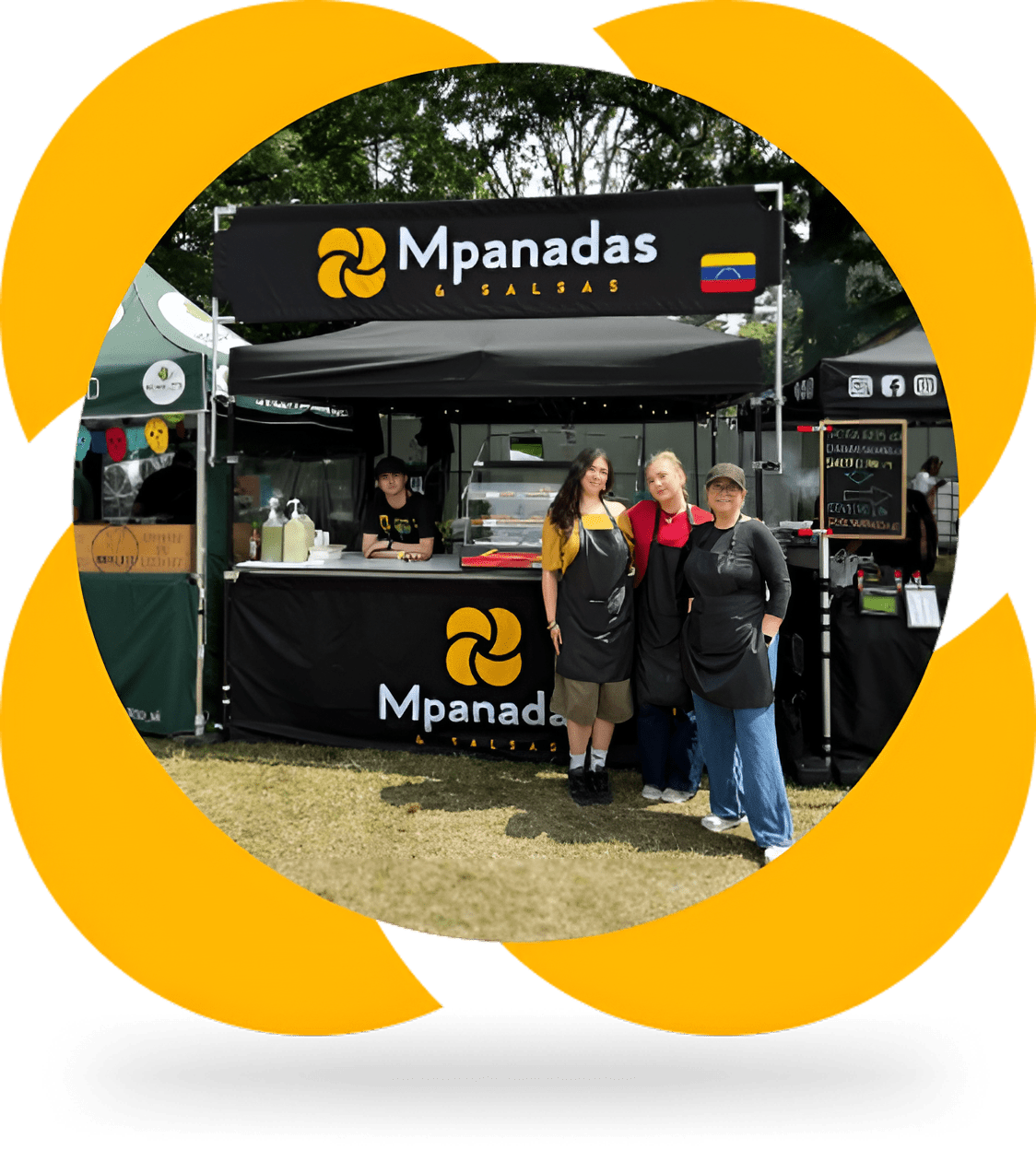
At Mpanadas & Salsas, every bite tells a story. Born from Libia’s lifelong love of traditional Venezuelan cooking, our empanadas and salsas bring the bold, homegrown flavours of South America to the UK. Passed down through generations and perfected over decades in hospitality, our recipes are rooted in heritage and made by hand with heart. Taste the tradition, because great food should always feel like home.
Empanadas Delivered UK Wide
Mpanadas & Salsas
Authentic Venezuelan frozen empanadas delivered across the UK to homes and restaurants. Our handmade empanadas feature traditional and regional fillings with options that are gluten free, halal, and vegan friendly.
Address: 6 Turnstone Cl, East Tilbury, Tilbury RM18 8FG
Phone: 07572 417492
Website: mpanadas.co.uk
Proudly women-owned and LGBTQ+ friendly. Rated 5.0 by our customers. Open from 8 am daily.