
How Do People Usually Decide What to Order the First Time They Try Empanadas?
How do first-time buyers usually choose an empanada order?
Most people make a first empanada order by reducing risk. They look for options that feel familiar, suit more than one person, store well, and seem easy to order again if the first experience goes well. The decision usually has less to do with novelty and more to do with avoiding waste, disappointment, or an order that feels too uncertain.
Recognising the first-time decision
A first time ordering empanadas rarely feels completely casual. An unfamiliar menu, a shared household, or an online basket can all add small amounts of pressure. Consumer behaviour frameworks often describe this as decision friction, which means that people tend to simplify the choice as soon as uncertainty appears.
One person might be ordering for a quiet meal at home. Another might be trying to cover several preferences at once. In both cases, the same basic concerns often shape the initial empanada selection:
- familiarity with the format or filling
- confidence that others will eat it
- concern about waste or food regret
- ease of storing anything left for later
Online ordering can increase that hesitation. A screen gives less reassurance than seeing food in front of you, so many buyers default to what feels safe, legible, and low risk. That response is ordinary, especially when the meal needs to work first time.
Weighing familiarity versus exploration
Imagine a household choosing empanadas for the first time on a weekday evening. One person wants to play safe, and another wants to try something different. That small debate sits at the centre of many first orders.
Familiar choices usually win when the meal needs to please more than one person. Risk aversion theory explains that people often give more weight to possible disappointment than to possible excitement. If somebody is responsible for feeding others, safe empanada choices can feel more sensible than adventurous ones.
Curiosity still matters. A first empanada order can also be the point where someone decides that trying something new is worth it, especially if the rest of the basket still feels dependable. In practice, many people split their decision by choosing a familiar core and adding one less familiar option to test the waters.
Neither approach is better. A cautious order suits situations where reliability matters most, whereas a slightly broader order makes sense when the buyer wants to learn what they would choose again next time.
Considering household and group preferences
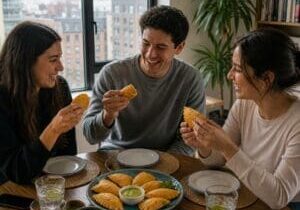
Group ordering changes the calculation. Once other people are involved, deciding what to order becomes less personal and more about consensus, compromise, and avoiding obvious misses.
Household decision-making models often point to one predictable pattern: people choose the option least likely to create objections. That is why family empanada orders often lean on flexibility instead of strong personal preference. The aim is usually to make the meal easy to agree on.
A few practical checks often guide the choice:
- whether the order needs to suit mixed taste preferences
- whether everyone will eat the same thing or different options
- whether leftovers are likely to be used later
- whether the order needs to work as a repeat purchase, not a one-off experiment
Brands such as Mpanadas & Salsas fit into this part of the decision because flexible frozen formats can reduce the pressure to get every choice exactly right in one go. If a household wants a safer group food choice, variety and freezer storage often matter more than novelty on the day.
That is especially true in mixed households, where the best first order is often the one that keeps future meals open rather than forcing a single verdict from one dinner.
Evaluating practicalities: storage, waste, and repeat use
Practical concerns shape food buying more than people sometimes admit. A first order may look like a question of preference, but storage space, likely waste, and repeat use often carry equal weight.
Frozen empanadas appeal to many first-time buyers because they can fit into ordinary meal planning. If the order does not all need to be used at once, the purchase can feel less risky. That matters in UK households where fridge space is limited and plans can change midweek.
The value of freezer storage often shows up in three ways:
- it gives more flexibility around timing
- it reduces the chance of unused food being thrown away
- it makes bulk buying easier to justify if the first order goes well
Food waste is part of the decision even when nobody names it directly. Buyers often hesitate because they do not want to be left with something that felt like a good idea at the point of ordering but becomes inconvenient later. A product built for repeat use removes some of that tension.
Mpanadas & Salsas is relevant here as an example of a format meant for dependable freezer storage and repeat ordering, which makes the first purchase feel more like a practical household decision than a gamble. That shift in mindset matters because people tend to buy more confidently when the food can cover more than one occasion.
The role of sides and complements in decision-making
The main order is rarely the whole decision. Buyers often look for something that makes the meal feel complete, especially if they are unsure how the first order will land.
Sides and complements can reduce uncertainty because they widen the ways a meal can work. A salsa, dip, or other simple addition can make the order feel more flexible without making it more complicated. Meal planning frameworks often treat this as value perception: people feel better about a purchase when it can adapt to different situations.
That logic usually shows up in a few quiet ways:
- a complement can make a smaller order feel more useful
- an added salsa can increase flexibility across more than one meal
- a fuller basket can feel easier to justify if it lowers decision friction
Scratch-made salsas sit neatly in this part of the picture because they support repeat use rather than acting as a novelty extra. For a first-time buyer, that sort of complement can make the whole order feel less exposed to disappointment and more grounded in everyday use.
Common misconceptions about ordering empanadas
First-time buyers often bring assumptions with them, and some of those assumptions make the choice harder than it needs to be. A few misconceptions appear again and again.
- Frozen means lower quality. Frozen food myths still influence buying decisions, even though frozen formats are often chosen for consistency, storage life, and practical use. The format tells you how the food is kept, not whether it is worth ordering.
- A first order will probably create waste. Waste depends more on buying habits and storage fit than on the category itself. If a product works well from frozen and can be used across different mealtimes, the risk of waste usually falls.
- Empanadas are awkward to fit into ordinary meal planning. That assumption tends to come from unfamiliarity. Once buyers see them as a flexible freezer item, the order often feels easier to place within a normal household routine.
- They are mainly a one-off novelty purchase. Novelty bias can affect any unfamiliar food. Yet repeat purchase confidence usually grows when the buyer sees reliability, convenience, and low regret after the first order, not just initial interest.
A clearer view of these points changes the tone of the decision. The question becomes less about whether ordering empanadas online is a leap and more about whether the product fits the way the household already buys food.
What informed first-time buyers understand
Confident empanada buying usually starts with a simple shift in perspective. The strongest first decisions are rarely based on chasing something unusual. They are based on reliability, flexibility, and the sense that the order can work again later without much thought.
Once buyers recognise that, first time food decisions become easier to judge. A good initial order is one that suits the people eating it, stores without fuss, leaves room for repeat use, and does not create avoidable regret. Seen that way, trying empanadas for the first time is often less about taking a risk and more about finding a dependable option that earns a place in ordinary meal planning.
Our Most Loved Flavours
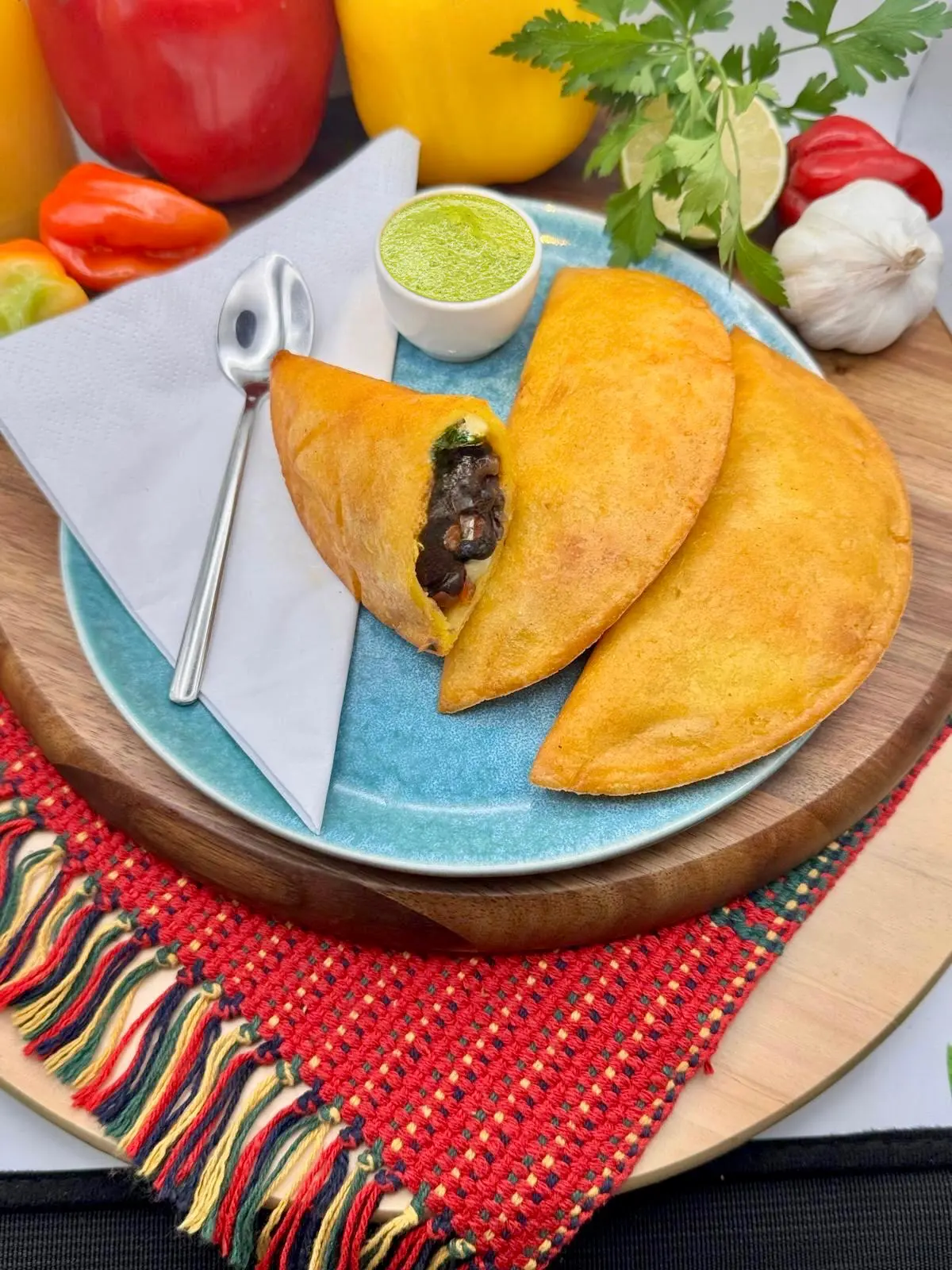
Classic Empanada – Vegan – Black Bean & Veggies
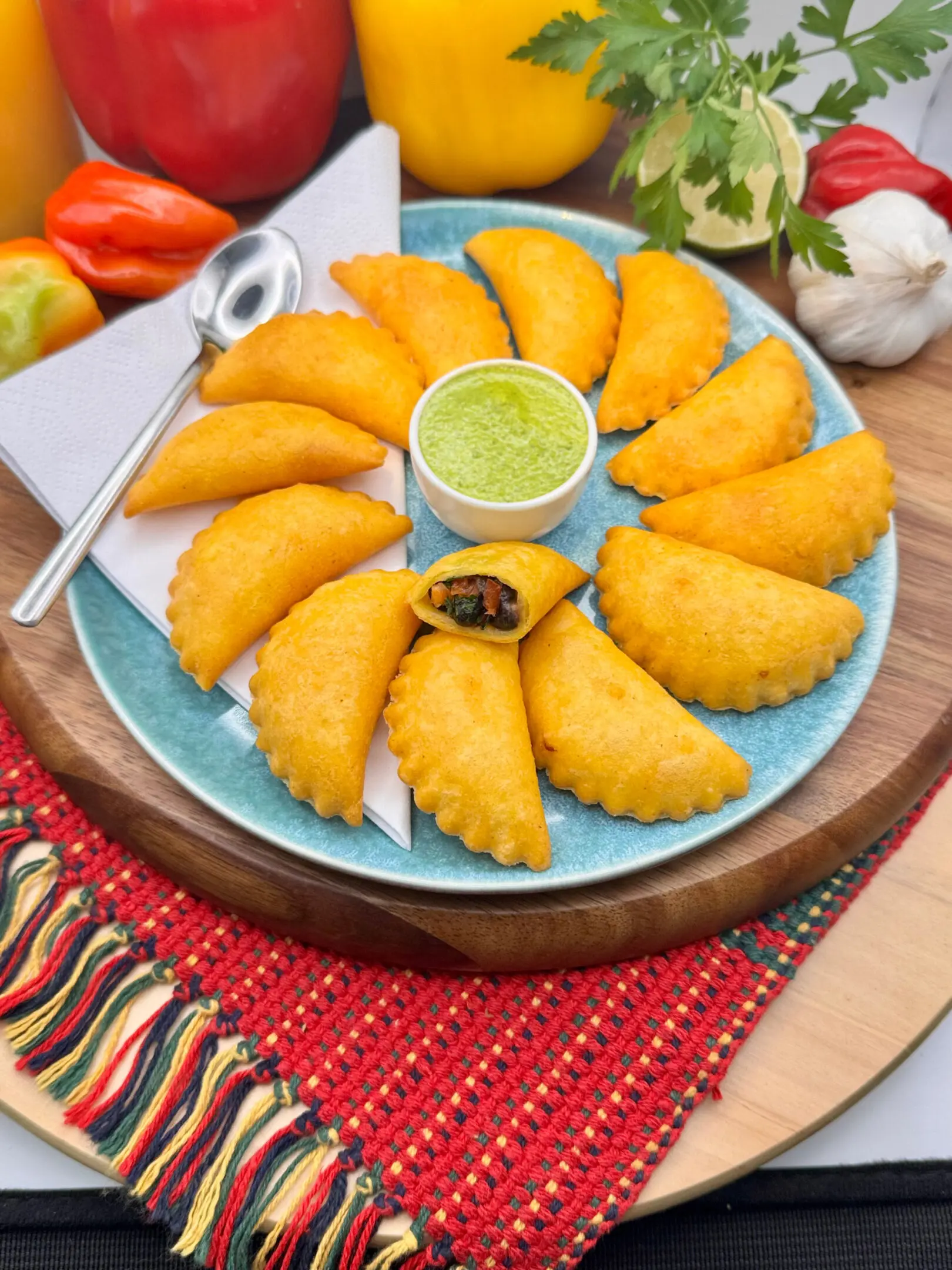
Mini Empanadas – Vegan – Black Beans & Veggies – Pack of 12
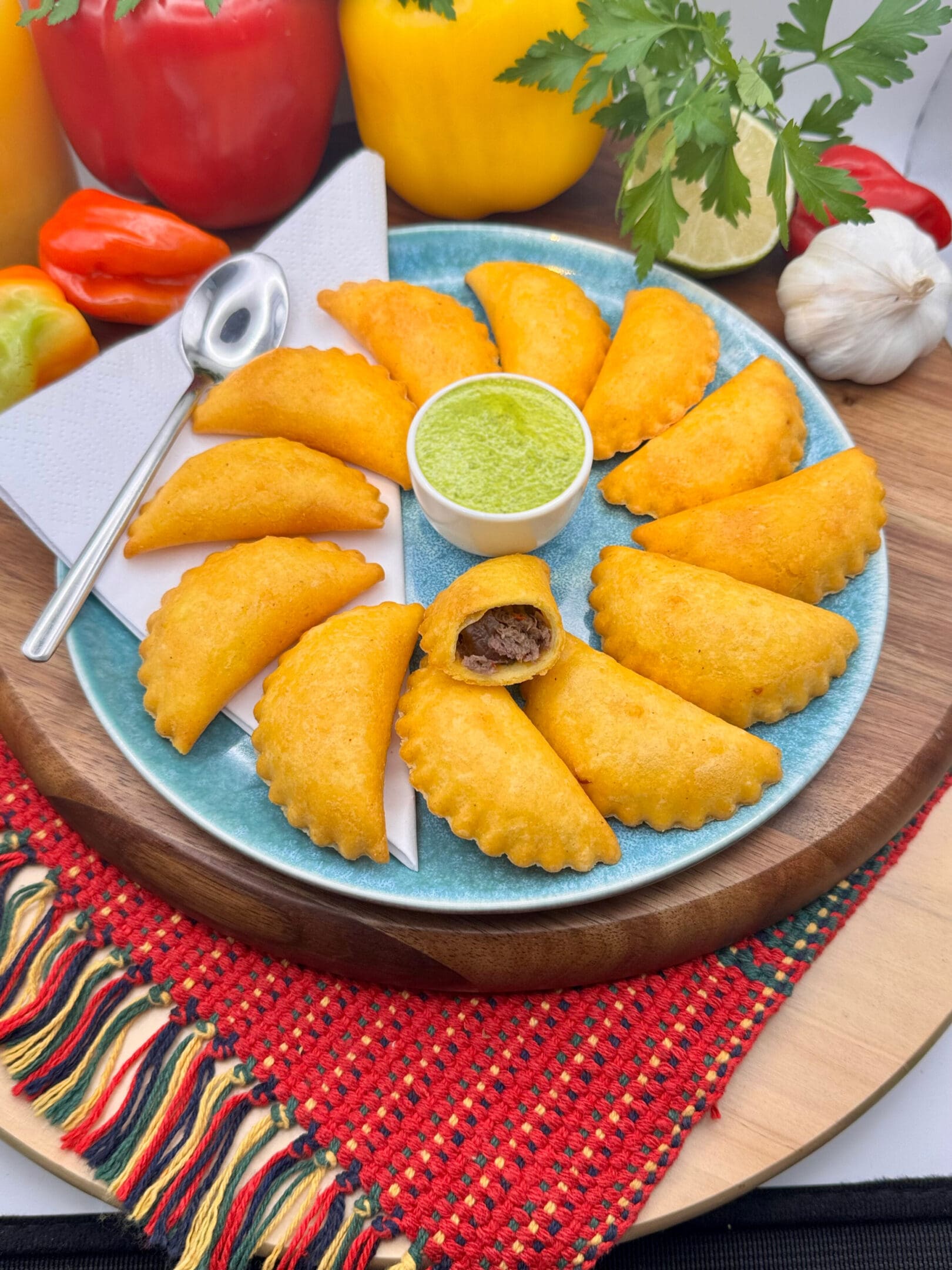
Mini Empanadas – Shredded Beef – Pack of 12
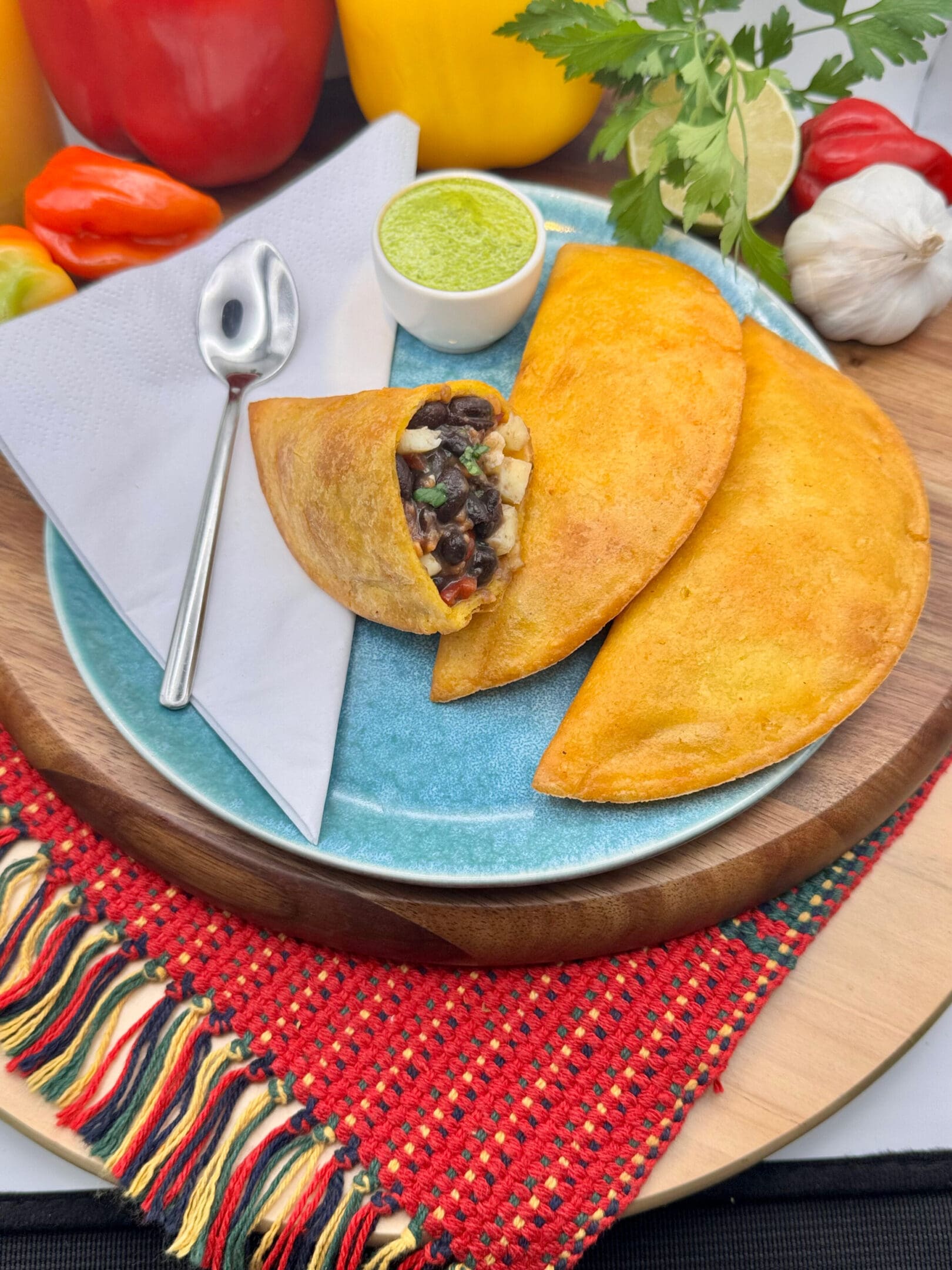
Classic Empanada – Domino – Black Beans & Cheese
Reach Out To Us For Retail or Wholesale Enquiries
Tasty Reads Worth a Look


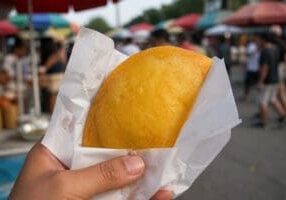
About Our Empanadas and Salsas
At Mpanadas & Salsas, every bite tells a story. Born from Libia’s lifelong love of traditional Venezuelan cooking, our empanadas and salsas bring the bold, homegrown flavours of South America to the UK. Passed down through generations and perfected over decades in hospitality, our recipes are rooted in heritage and made by hand with heart. Taste the tradition, because great food should always feel like home.
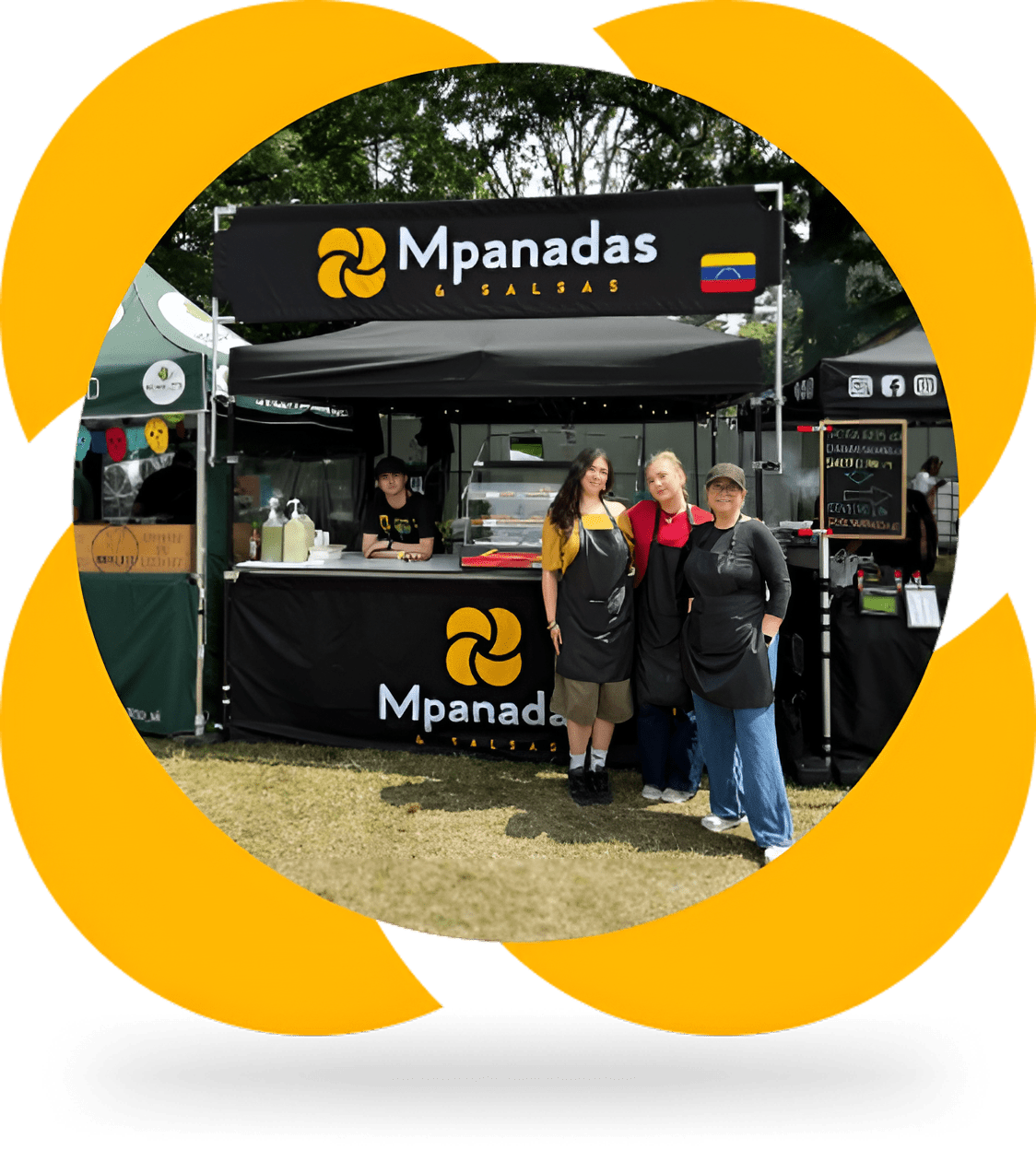
Empanadas Delivered UK Wide
Mpanadas & Salsas
Authentic Venezuelan frozen empanadas delivered across the UK to homes and restaurants. Our handmade empanadas feature traditional and regional fillings with options that are gluten free, halal, and vegan friendly.
Address: 6 Turnstone Cl, East Tilbury, Tilbury RM18 8FG
Phone: 07572 417492
Website: mpanadas.co.uk
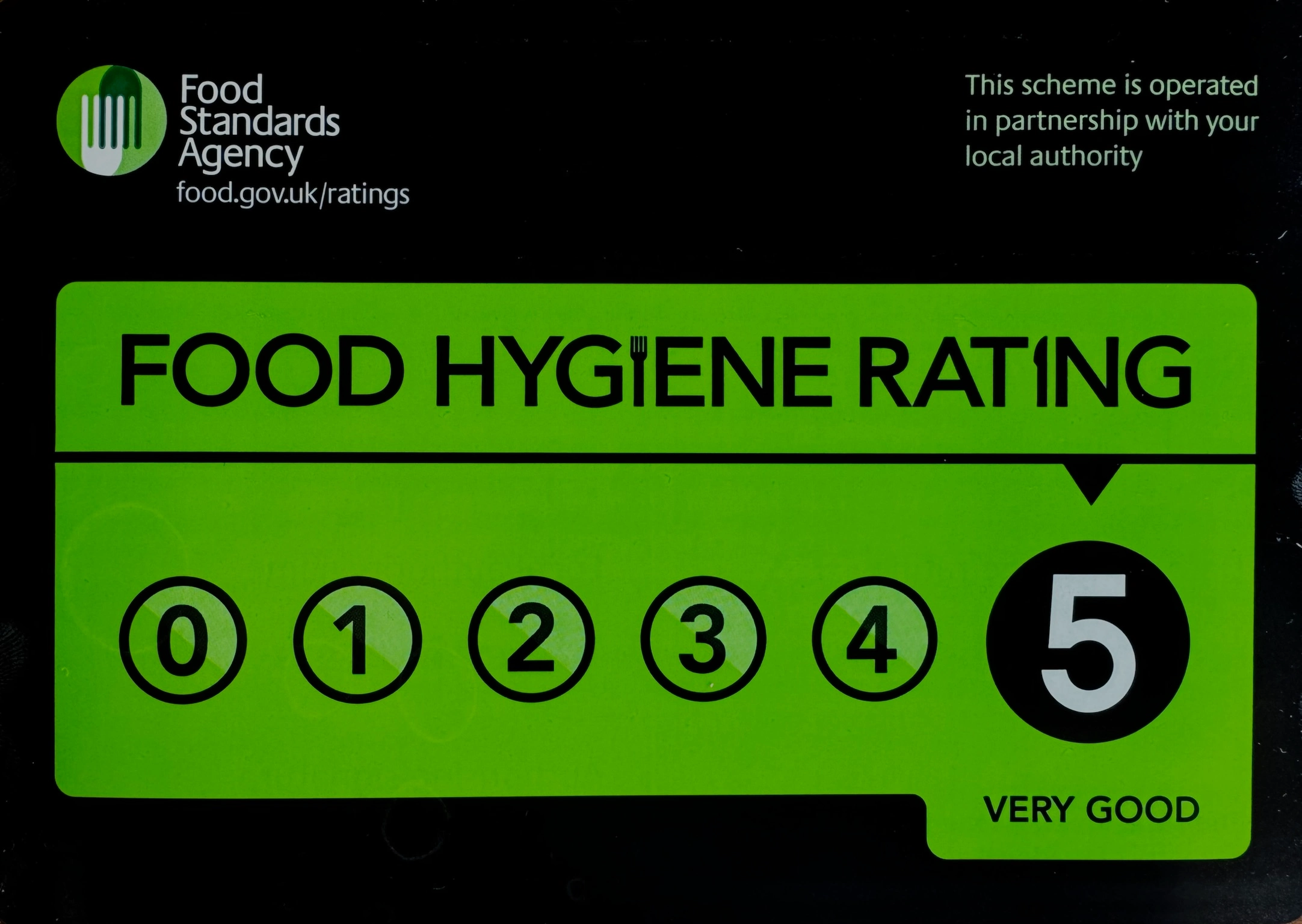
Proudly women-owned and LGBTQ+ friendly. Rated 5.0 by our customers. Open from 8 am daily.